When Anger Feels Out of Control
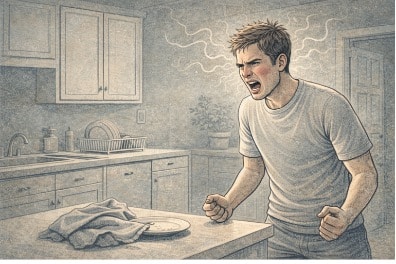
Explosive anger goes beyond a short temper or occasional frustration. It shows up as sudden, intense outbursts that feel impossible to control and are severely disproportionate to whatever triggered them. For many people, this causes real damage to relationships, work, and emotional well-being.
This pattern of reactive aggression is often linked to Intermittent Explosive Disorder (IED), though unmanaged explosive anger responds well to treatment even without a formal diagnosis. Evidence-based therapies like CBT and DBT, combined with self-regulation techniques such as deep breathing and mindfulness, offer practical and lasting ways to interrupt the anger cycle and build healthier emotional responses.
Whether you’re trying to understand your triggers, repair relationships affected by outbursts, or simply gain more control over your reactions, we’ll cover the most effective techniques and treatment options in detail below.
Techniques to Manage Explosive Anger

Deep Breathing & Physiological Regulation
One of the fastest ways to interrupt an anger response is through controlled breathing. When anger spikes, the body activates its stress response, increasing heart rate and blood pressure. Slow, diaphragmatic breathing directly counters this by stimulating the parasympathetic nervous system and creating a physical sense of calm.
A straightforward method is the 4-7-8 technique: inhale for 4 counts, hold for 7, exhale for 8. Practicing this regularly, outside of anger episodes, helps it become an automatic tool when tension rises. Progressive muscle relaxation, which involves systematically tensing and releasing muscle groups, can serve a similar purpose by releasing the physical tension that builds during anger.
Mindfulness & Trigger Awareness
Mindfulness does not mean suppressing anger. Instead, it creates space between a trigger and a reaction. By learning to observe thoughts and physical sensations without immediately acting on them, a person can catch the early signs of rising anger before it becomes an outburst.
Body scans, breath awareness, and grounding exercises (like naming five things you can see) are practical ways to build this skill. Over time, mindfulness improves the ability to recognize patterns, specifically which situations, people, or thoughts tend to activate intense anger, making it easier to prepare and respond differently.
Cognitive Restructuring
Explosive anger is often fueled by distorted thinking. A common example is assuming that someone cut you off in traffic because they were being intentionally aggressive, when in reality, it was likely just careless driving. Cognitive restructuring, a core component of CBT, teaches people to pause and question these automatic interpretations.
Instead of dwelling on the worst-case explanation, the goal is to replace reactive thoughts with more grounded, reality-based ones. This does not mean dismissing the anger, but checking whether the thinking behind it actually fits the situation. With practice, this process becomes faster and more automatic.
Communication & Assertiveness Skills
A significant driver of explosive anger is the buildup of unexpressed needs and frustration. When people lack the tools to communicate clearly and directly what they need, emotions accumulate until they overflow. Learning assertive communication, using “I” statements, naming specific behaviors rather than making broad accusations, and asking for what you need without aggression, reduces that pressure before it builds into an outburst.

Treatment Options for Explosive Anger
Techniques practiced alone can help, but working with a trained therapist significantly increases effectiveness. The treatment approaches below have the most clinical support for explosive anger.
Cognitive Behavioral Therapy (CBT)
CBT is typically the first-line therapeutic approach for explosive anger and IED. It focuses on identifying the connection between thoughts, feelings, and behaviors, specifically the distorted thinking patterns that escalate mild frustration into explosive reactions.
In sessions, clients learn to recognize their triggers, challenge irrational interpretations, and practice coping strategies for high-risk situations. CBT also includes relapse prevention skills, which help people plan for future triggers rather than being caught off guard. Anger management is often delivered within a CBT framework, making it one of the most practical and structured options available.
Dialectical Behavior Therapy (DBT)
DBT was originally developed to treat borderline personality disorder, but its core skills have proven highly effective for explosive anger and emotional dysregulation more broadly. DBT is built around four modules: mindfulness, distress tolerance, emotion regulation, and interpersonal effectiveness.
For explosive anger specifically, the emotion regulation module helps people identify intense feelings before they escalate, while the distress tolerance module offers skills for getting through a difficult moment without acting destructively. One key DBT technique is “opposite action,” which involves deliberately choosing a behavior that counters the angry impulse. If the urge is to yell, the opposite action might be to speak quietly or leave the room. Over time, these practices build a different kind of default response to frustration.
The “TIP skills” within DBT’s distress tolerance module are especially useful for acute anger: changing your body Temperature (such as splashing cold water on your face), engaging in Intense exercise, and using paced breathing can all reduce physiological arousal quickly.
Group Therapy
Individual therapy builds personalized skills, but group therapy adds a layer that solo work cannot replicate: practicing those skills with other people in real time. In a group setting, clients can role-play conflict situations, receive feedback, and observe how others manage similar challenges. This format also reduces the isolation that often accompanies explosive anger, since many people feel shame about their outbursts and assume they are alone in struggling with them.
Managing Explosive Anger With Mission Connection

Explosive anger does not have to stay explosive. Mission Connection provides outpatient mental health care designed for adults who need more consistent support than a once-weekly therapy session can offer. Our programs include individual therapy, group therapy, and experiential sessions, with evidence-based approaches including CBT and DBT built into treatment.
Adults working through emotional reactivity, repairing relationships affected by outbursts, or trying to understand what drives their anger will find practical, lasting support with our clinicians. We offer in-person care at our California, Virginia, and Washington locations, as well as telehealth services, so you can access support in a format that fits your schedule and lifestyle. Mission Connection also works with most major insurance plans and offers help understanding and using your benefits, so cost is not a barrier to getting started.
Frequently Asked Questions (FAQs)
What is the difference between explosive anger and regular anger?
Regular anger is a healthy, proportionate emotional response to frustration or perceived injustice. Explosive anger is disproportionate to the trigger, often escalates rapidly, and may involve verbal or physical aggression. It is typically followed by remorse and can be a sign of an underlying condition like IED or emotional dysregulation that responds well to treatment.
How long does it take to see improvement with anger management therapy?
The timeline varies by person and treatment approach, but many people begin to notice changes within the first few weeks of consistent therapy. Techniques like breathing exercises and cognitive restructuring can produce quick shifts, while deeper patterns around triggers and communication may take a few months to work through effectively.
Is explosive anger related to trauma?
There is often a connection. Chronic anger and low distress tolerance can be signs of unresolved trauma or a dysregulated nervous system. Trauma-informed therapy can address the underlying emotional patterns that make explosive anger more likely. If you suspect trauma is a contributing factor, it is worth discussing this with a mental health professional who can assess and address both.
How does Mission Connection support adults managing explosive anger?
Mission Connection offers structured outpatient programs that include individual and group therapy, using evidence-based approaches such as CBT and DBT. Our clinicians work with adults to identify the patterns behind explosive anger and build practical emotional regulation skills. With in-person and telehealth options across California, Washington, and Virginia, care is accessible in a format that fits your life.