

Depression Can Return: Know the Warning Signs
Depression relapse happens when symptoms return after a period of improvement or recovery. The good news is that these relapses don’t appear without warning. Your body and mind typically send signals that something is changing, giving you an opportunity to take action. Think of these warning signs as your personal early alert system.
What makes recognizing these signs challenging is that they often appear subtly. You might attribute increased tiredness to a busy work week or blame your dampened mood on the weather changing. This is why having an awareness of your specific relapse pattern is invaluable. Each person’s depression fingerprint is unique; understanding yours allows for quicker recognition and response.
The sooner you address these warning signs, the better your chances of preventing a full relapse. That’s why awareness is essential for long-term depression management.
7 Early Warning Signs of Depression Relapse
1. Sleep Problems
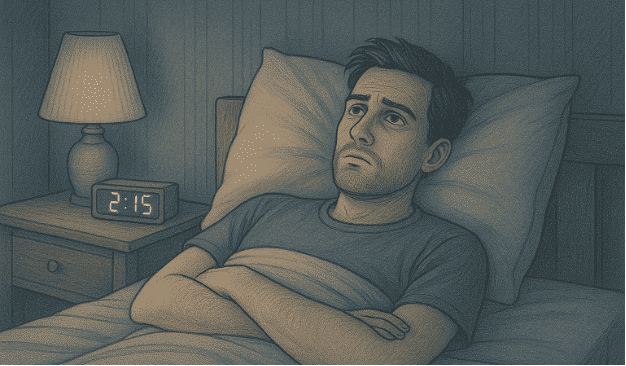
You might suddenly find yourself struggling to fall asleep, waking frequently throughout the night, or experiencing early morning awakening where you can’t go back to sleep. Alternatively, some people find themselves sleeping excessively, struggling to get out of bed, or feeling unrefreshed despite adequate sleep hours.
These sleep disruptions are typically patterns that persist for several days or weeks. What makes sleep changes particularly important to monitor is that they often precede mood changes, giving you an early opportunity to intervene.
2. Loss of Interest in Activities You Once Enjoyed
Anhedonia, the inability to feel pleasure from activities you once enjoyed, is a cardinal symptom of depression and often reappears early in relapse. You might notice yourself canceling plans with friends, abandoning hobbies, or feeling indifferent toward activities that previously brought joy.
Pay particular attention if you find yourself making excuses to avoid social engagements or if you’re going through the motions without emotional engagement.
3. Negative Thought Patterns Creep Back
Your thought patterns often change before your mood does. You might notice more self-criticism, catastrophizing (assuming the worst will happen), or black-and-white thinking returning. These cognitive distortions typically focus on themes of worthlessness, hopelessness about the future, or excessive guilt about past events.
What makes these thought patterns particularly important to monitor is their persistent and intrusive nature. Unlike occasional negative thoughts that everyone experiences, these tend to dominate your thinking and are difficult to redirect.
4. Increased Irritability and Emotional Sensitivity
Depression doesn’t always manifest as sadness. For many, increased irritability, a shorter fuse, frustration over minor inconveniences, or feeling overwhelmed by normal demands, serves as an early warning sign.
You might notice yourself snapping at loved ones, feeling disproportionately angry over small issues, or struggling to tolerate normal stressors. This emotional rawness often precedes the emotional numbness that can develop in deeper depression.
5. Changes in Appetite or Weight
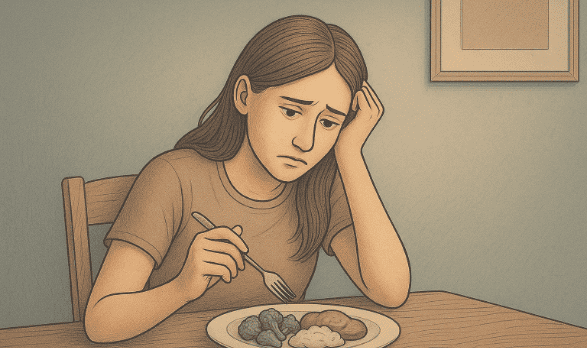
You might find yourself using food for comfort, eating without awareness or enjoyment, or alternatively, losing interest in eating altogether. These changes frequently occur without conscious decision and may result in noticeable weight fluctuations.
What makes appetite changes particularly telling is that they often represent a shift from your established patterns. Someone who previously lost appetite during depression might experience increased eating in subsequent episodes, or vice versa.
6. Withdrawal from Social Connections
Social withdrawal often begins subtly, perhaps you’re taking longer to return texts, making excuses to avoid gatherings, or finding social interaction exhausting rather than energizing. This pulling away typically happens gradually and may be rationalized as needing space or being busy.
This withdrawal is particularly concerning because social connection serves as a protective factor against depression. As you isolate, you lose valuable emotional support and external perspective that might help identify other warning signs.
7. Return of Physical Symptoms
Depression is as much a physical illness as a mental one. Early warning signs often include unexplained aches and pains, headaches, digestive problems, or a general sense of fatigue and heaviness. You might notice yourself feeling physically slowed down or requiring more effort for routine tasks.
5 Effective Steps to Stop Depression Relapse
Recognizing the warning signs is only half the battle. Taking swift, decisive action is equally important. The following five strategies form a comprehensive approach to halting depression relapse in its tracks.
1. Don’t Ignore Early Warning Signs
The most crucial step is acknowledging the warning signs rather than dismissing them as temporary mood fluctuations. Keep a mood journal to track changes in your thoughts, feelings, and behaviors, noting patterns that emerge over time.
Many effective tracking apps are now available that make this process simpler and provide helpful visualizations of your mood patterns.
2. Contact Your Mental Health Provider Immediately

Many mental health professionals reserve slots for urgent appointments precisely because early intervention is so effective. Don’t wait for your regularly scheduled appointment if you notice concerning symptoms—the sooner you receive support, the better your outcomes.
Be honest and specific about the changes you’re experiencing. Sometimes we minimize our symptoms when speaking with providers, but this can delay appropriate intervention. Consider bringing notes about the specific warning signs you’ve noticed, including their duration, intensity, and impact on your functioning.
3. Stick to Your Treatment Plan
If you’re taking medication for depression, continue taking it exactly as prescribed, even if you’re feeling better. Many relapses occur when people discontinue medication prematurely or without medical supervision.
If you’re experiencing side effects or concerns about your medication, discuss these with your provider rather than making changes independently.
Similarly, maintain consistency with therapy appointments and homework assignments. The skills learned in Cognitive Behavioral Therapy (CBT), mindfulness-based therapy, and other evidence-based approaches are particularly effective when applied during early warning stages.
4. Practice Self-Care Daily
During times of vulnerability, basic self-care becomes even more crucial. Prioritize regular sleep schedules, nutritious meals, and daily physical activity, all of which have proven biochemical effects on mood regulation.
Even gentle movement like walking or stretching can significantly impact neurotransmitter levels and reduce stress hormones.
5. Reach Out to Your Support Network
Social connection is one of the most powerful protective factors against depression. When warning signs appear, resist the urge to isolate and instead lean into your support network. You don’t need to share every detail of your struggle, but allowing others you trust to provide support can be tremendously beneficial.
Consider attending support groups, either in-person or online, where you can connect with others who understand depression from personal experience. These groups provide validation, practical suggestions, and hope from those who have successfully managed relapses.
Prevent Depression Relapse with Mission Connection Healthcare’s Expert Support

At Mission Connection Healthcare, we understand that depression recovery isn’t a destination but an ongoing process requiring vigilance and support. Our comprehensive approach to depression treatment goes beyond symptom management to focus on building lasting resilience and relapse prevention strategies.
We recognize that each person’s experience with depression is unique, which is why our licensed mental health professionals develop personalized care plans customized to your specific warning signs and triggers.
Our evidence-based therapies, including Cognitive Behavioral Therapy, Dialectical Behavior Therapy (DBT), and mindfulness-based techniques, equip you with practical tools to recognize and respond to warning signs before they develop into full relapse. Through convenient outpatient services, regular check-ins, and ongoing support, we partner with you to maintain the progress you’ve worked so hard to achieve.
Don’t wait until warning signs become overwhelming. Contact Mission Connection Healthcare today.
Frequently Asked Questions
How can I tell the difference between normal sadness and depression relapse?
Normal sadness is typically connected to specific events, fluctuates throughout the day, and gradually improves over time without significantly impairing daily functioning. Depression relapse involves persistent symptoms lasting weeks, affects multiple life areas regardless of circumstances, and includes physical symptoms like sleep and appetite changes alongside psychological symptoms.
What should I do if I notice early warning signs of depression returning?
Contact your mental health provider immediately for early intervention, continue following your treatment plan including medications and therapy, practice consistent self-care with regular sleep and exercise, and reach out to your support network rather than isolating yourself from others.
How long does a typical depression relapse last with treatment?
With prompt intervention at the warning signs stage, many people can prevent full relapse or limit symptoms to days or weeks. Early relapse typically improves within 4–8 weeks with treatment, while delayed treatment can result in episodes lasting 3–6 months or longer.
Can depression relapse be prevented without medication?
Several non-medication approaches can significantly reduce relapse risk, including Mindfulness-Based Cognitive Therapy (MBCT), regular therapy sessions, consistent exercise, strong social support, and effective stress management techniques. However, treatment approaches should always be discussed with healthcare providers.
How does Mission Connection Healthcare help with depression relapse prevention?
Mission Connection Healthcare offers comprehensive depression treatment with personalized care plans, evidence-based therapies including cognitive-behavioral therapy and mindfulness techniques, regular check-ins to monitor progress, and convenient online services. Our comprehensive approach focuses on long-term wellness and equipping clients with practical skills to recognize and manage relapse warning signs.