
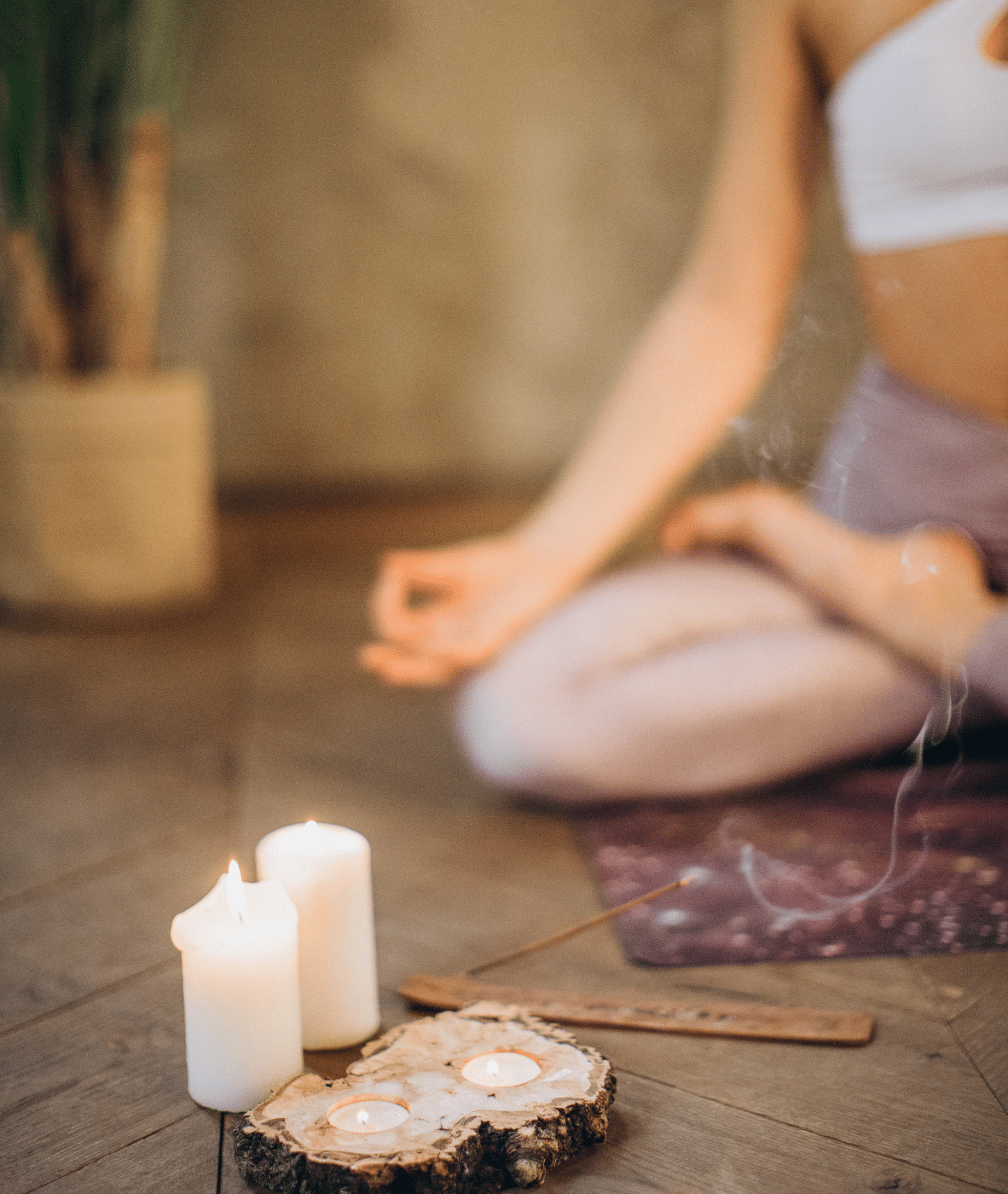

Depression can leave you feeling like you don’t want to do anything. Like you have no energy to do anything, and you feel too rubbish to do anything, anyway. This can make some treatment approaches, such as getting help from a doctor and keeping up with a regular exercise routine, difficult. And while medication can be extremely helpful, it isn’t the right choice for everyone.
Fortunately, there are many alternative options that can prove effective at lowering depression symptoms. On this page, we’ll explore how nurturing your mind, body, and spirit can help you on your road to recovery. Backed up with scientific evidence, you’ll find out more about holistic practices and how you can start to include them in your life.
What Is a Holistic Approach to Treating Depression?
When we talk about a holistic approach, the focus isn’t just on treating symptoms, it’s treating the person as a whole. Holistic approaches are natural remedies and changes you can make to your lifestyle to improve your overall well-being, including your depression.
You might look into holistic options alongside your current treatments to help you gain a more balanced, long-term recovery from depression, and to feel more active and in control of your healing. Or, if you prefer natural ways to recover and your symptoms are mild and generally manageable, you may look to holistic approaches as your main form of treatment.
8 Effective Holistic Treatments for Depression
Let’s take a look at some of the holistic treatment options available for depression.
1. Nutrition and Depression
People often talk about ‘good mood food’ when discussing food that can benefit your health and well-being. We know it’s important to eat well, but what is the relationship between food and depression?
Research shows links between good nutritional diets and low levels of depression. For example, a study found that the Mediterranean diet (prioritizing plant-based foods, fruits, and whole grains) had the potential to reduce symptoms of depression. 36% of participants said they experienced far fewer symptoms of depression after eating this diet for several weeks.[1]
Other research also supports this, showing that a diet rich in fruit, veg, fish, whole grains, antioxidants, low-fat dairy, and olive oil may decrease a person’s risk of depression.[2] On the flip side of this, diets rich in unhealthy foods can potentially worsen depression symptoms.[3]
2. Mindfulness for Depression
Sometimes our mind is constantly whirring, so much so that we don’t even realize it’s happening until we feel mentally exhausted. If this is you, then mindfulness can be a great way to help you slow down, breathe, become more aware of what is happening, and accept how things are in the moment.
Studies have shown that practicing mindfulness can reduce symptoms of depression like repetitive negative thoughts or rumination.[4] What’s more, mindfulness can reduce stress and anxiety, which can feed into depression and worsen your symptoms.[5]
What’s more, mindfulness-based therapy is shown to be highly effective at helping people notice their negative thoughts, challenge these, and replace them with healthier alternatives. This can reduce the symptoms of depression, even in treatment-resistant depression.[6]
3. Acupuncture for Depression
Acupuncture is where very thin steel needles are inserted into your body to treat a health issue, including muscle and joint pain and the side effects of cancer treatments.[7]
Traditional Chinese medicine believes that if the flow of energy through the body becomes blocked or disrupted, you can become unwell and that by inserting needles into specific points on your body, you can restore the energy flow and feel better.
There is little research into acupuncture and its effect on depression. Nevertheless, a meta-analysis of 22 studies found that acupuncture helped relieve depression. However, there were differences between studies relating to the number of treatment sessions that patients received. Overall, the review found a lack of knowledge about the best acupuncture treatment regimen, which means we can only take these findings with a big pinch of salt.[8]
4. Meditation for Depression
Meditation for depression uses mental and physical techniques to help you focus and clear your mind. This sounds similar to mindfulness, right? While meditation can be a way to develop mindfulness, there are differences. Meditation involves training your attention, focus, and awareness to achieve a mentally clear, emotionally calm, and stable state. Mindfulness, on the other hand, is the awareness that comes from paying attention to the present moment.
Meditation could involve breathing in mindful ways, repeating mantras, progressive muscle relaxation, or walking meditation. As you can see, meditation can be integrated into many everyday activities, which can make it easy to implement into your existing routine.
Research shows meditation makes positive changes in the structure of the brain, which can help with depression.[9] What’s more, meditation calms the body’s stress system, reducing the stress hormones cortisol and adrenaline in the body and triggering the “happy” hormones, such as dopamine. As stress and anxiety can worsen depression symptoms, meditation can indirectly alleviate depression through these avenues.[10]
5. Exercise and Depression
Exercise can affect more than just your physical fitness, it can also play a part in managing depression. Exercise causes the release of positive chemicals in your body, such as endorphins and dopamine, which make you feel good and give you energy.
The benefit of exercise on depression can be multifaceted. Research shows that exercise can be a healthy distraction, improve your confidence and self-esteem, and increase opportunities for social interaction.[11] [12] [13] [14] [15] [16]
What’s more, research has shown that exercising on a regular basis can actively reduce symptoms of depression. In fact, one study found that exercise can be as effective at reducing depression symptoms as antidepressant medication. The most effective forms of exercise for depression appear to be walking, jogging, yoga, strength training, and dancing.[17]
6. Herbal Remedies for Depression
Some people may choose to look to herbal remedies for depression, rather than prescribed medication. One of the herbal remedies most talked about is St John’s Wort, which some claim can help people with mild to moderate depression.
However, it’s important to be wary when it comes to herbal remedies, as the evidence for such approaches is lacking. For example, a meta-analysis reviewed 27 different clinical trials into the use of this remedy for depression, and found that the evidence was limited in terms of long-term safety and effectiveness.
That being said, this herbal remedy may be effective for people with mild depression symptoms. The evidence suggests that St John’s Wort can be comparable to selective serotonin reuptake inhibitors short-term.[18]
7. Yoga for Depression
Yoga has the ability to make you stronger, improve your flexibility, and boost your overall well-being. The spiritual side of yoga encourages you to be compassionate towards yourself and promotes calmness and self-awareness.
Studies show that yoga can be a helpful complementary therapy to depression (alongside medication or therapy) because it encourages you to develop and enhance these qualities, and it can help you to feel less irritable and more relaxed.[19]
When using yoga for depression, try to stick to a routine. Consistently building yoga into your weeks can have a more significant impact on your depression symptoms.[20]
8. Therapy for Depression
If any underlying problems may be contributing to your feeling depressed, therapy can be a big help. It can support you to learn coping strategies and find out what triggers strong feelings inside you, which helps to create long-lasting change.[21] There are a few different types of holistic therapy that can help depression, which we’ll go into a little bit below.
Music Therapy for Depression
Music therapy uses music, sound, rhythm, and harmonies to help reduce stress and improve your well-being. Research shows that music therapy helps to improve depression in older adults and adults with cancer.
Other studies showed it’s more effective when therapy lasts 12 weeks or less, compared to long-term therapy (over 13 weeks). However, many studies had only a small number of participants, so more research is needed.[22]
Art Therapy for Depression
Art therapy involves using artistic expression, such as painting and drawing, as a coping mechanism to recover and reduce depression symptoms. Art can help you to understand and express feelings that you might otherwise have trouble talking about, which can be particularly helpful with depression.
One review looked into the research on art therapy and its potential for use with mental health problems. It found that art therapy alongside other treatments improved the mental health of patients involved.[23] However, there are relatively few studies, and more research is needed into the effectiveness of art therapy on depression.
Writing Therapy for Depression
Journaling can be a really useful way to get your thoughts and feelings out of your head and onto paper. It can give you an emotional release, and let you reflect on your thoughts. When you make writing a habit, you may start to notice patterns or connections between how you feel and the things you do. You might gain a sense of clarity and understanding about yourself that you didn’t have before.
Studies show that journaling can help people feel less depressed and that there are a range of benefits to be gained from journaling, such as improved mood and overall well-being.[24]
Cognitive Behavioural Therapy for Depression
Cognitive Behavioral Therapy (CBT) for depression looks at changing unhelpful thoughts, behaviors, or beliefs you may have that might contribute to your depression and instead work to replace these with healthier ones.[25]
CBT has been thoroughly studied over the years and has much evidence to support its effectiveness in treating depression. One review conducted a large-scale analysis of these studies and found CBT was an effective treatment for adult depression. What’s more, the participants had lower relapse rates after one- and two-year follow-up intervals than people who just received medication.[25]
Seek Support for Depression Today
If you are struggling to manage your depression, know that we are here to help you. At Mission Connection, we have a team of licensed, experienced mental health clinicians ready to help you on the road to recovery.
You can expect an in-depth assessment by a qualified professional, and a completely individualized plan to help you heal. We will also be here to give you ongoing support and coach you through the skills you need to manage your depression.
We know that, often, depression can be debilitating. However, for some, symptoms of depression may feel manageable and only need a little support. For this reason, we offer a range of treatment approaches, so we can find a treatment program that works for you, however severe or mild your symptoms may be. We offer:
- Short-term inpatient hospitalization for emergencies and unmanageable depression symptoms
- Partial hospitalization, with intensive daily therapy programs but evenings at home
- Intensive outpatient programs, including multiple therapy sessions each week
- Outpatient services like CBT, online therapy, and guidance on holistic treatment approaches
What’s more, we know that for some people the cost of mental health care treatment can be a concern. That’s why we offer a range of payment options, including insurance plans, flexible private pay, and financing plans to help spread the costs over time.
Are you ready to take your first step on your healing journey? Contact us today to find out how we can support you.
References
- Bayes, J., Schloss, J., & Sibbritt, D. (2022). American Journal of Clinical Nutrition, 116(2), 572–580. https://doi.org/10.1093/ajcn/nqac106
- Li, Y. et al. (2017). Dietary patterns and depression risk: a meta-analysis. Psychiatry Research, 253, 373–382. https://doi.org/10.1016/j.psychres.2017.04.020
- Ekinci, G. N., & Sanlier, N. (2022). The relationship between nutrition and depression in the life process: a mini-review. Experimental Gerontology, 172, 112072. https://doi.org/10.1016/j.exger.2022.112072
- Li, P. et al. (2022). Mindfulness on rumination in patients with depressive disorder: a systematic review and meta-analysis of randomized controlled trials. International Journal of Environmental Research and Public Health, 19(23), 16101. https://doi.org/10.3390/ijerph192316101
- NHS. (2024b, November 25). Mindfulness. https://www.nhs.uk/mental-health/self-help/tips-and-support/mindfulness/#:~:text=Studies%20show%20that%20mindfulness%20can,can%20make%20them%20feel%20worse
- Cladder-Micus, M. B. et al. (2018). Mindfulness-based cognitive therapy for patients with chronic, treatment-resistant depression: a pragmatic randomized controlled trial. Depression and Anxiety, 35(10), 914–924. https://doi.org/10.1002/da.22788
- Cleveland Clinic. (2025, January 6). Acupuncture. https://my.clevelandclinic.org/health/treatments/4767-acupuncture
- Chen, B. et al. (2022). Efficacy and safety of acupuncture for depression: a systematic review and meta‐analysis. Research in Nursing & Health, 46(1), 48–67. https://doi.org/10.1002/nur.22284
- Annells, S., Kho, K., & Bridge, P. (2015). Meditate don't medicate: how medical imaging evidence supports the role of meditation in the treatment of depression. Radiography, 22(1), e54–e58. https://doi.org/10.1016/j.radi.2015.08.002
- Harvard Health Publishing. (2021, February 12). How meditation helps with depression. https://www.health.harvard.edu/mind-and-mood/how-meditation-helps-with-depression#:~:text=How%20your%20brain%20reacts,Harvard%2Daffiliated%20Massachusetts%20General%20Hospital
- Craft, L. L., & Perna, F. M. (2004). The benefits of exercise for the clinically depressed. Primary care companion to the Journal of clinical psychiatry, 6(3), 104–111. https://doi.org/10.4088/pcc.v06n0301
- Nguyen, D. T. et al. (2019b). Low self-esteem and its association with anxiety, depression, and suicidal ideation in vietnamese secondary school students: a cross-sectional study. Frontiers in Psychiatry, 10. https://doi.org/10.3389/fpsyt.2019.00698
- Sani, S. H. Z. et al. (2016). Physical activity and self-esteem: testing direct and indirect relationships associated with psychological and physical mechanisms. Neuropsychiatric Disease and Treatment, Volume 12, 2617–2625. https://doi.org/10.2147/ndt.s116811
- Gurvich, C. et al. (2020). Coping styles and mental health in response to societal changes during the covid-19 pandemic. International Journal of Social Psychiatry, 67(5), 540–549. https://doi.org/10.1177/0020764020961790
- Popov, S., Sokic, J., & Stupar, D. (2021). Activity matters: physical exercise and stress coping during the 2020 covid-19 state of emergency. Psihologija, 54(3), 307–322. https://doi.org/10.2298/psi200804002p
- Nielsen, G. et al. (2014). Health promotion: the impact of beliefs of health benefits, social relations and enjoyment on exercise continuation. Scandinavian Journal of Medicine and Science in Sports, 24(S1), 66–75. https://doi.org/10.1111/sms.12275
- Noetel, M. et al. (2024). Effect of exercise for depression: systematic review and network meta-analysis of randomised controlled trials. BMJ, e075847. https://doi.org/10.1136/bmj-2023-075847
- Ng, Q. X., Venkatanarayanan, N., & Ho, C. Y. (2017). Clinical use of hypericum perforatum (st john's wort) in depression: a meta-analysis. Journal of affective disorders, 210, 211–221. https://doi.org/10.1016/j.jad.2016.12.048
- Woodyard C. (2011). Exploring the therapeutic effects of yoga and its ability to increase quality of life. International journal of yoga, 4(2), 49–54. https://doi.org/10.4103/0973-6131.85485
- Wu, Y., Yan, D., & Yang, J. (2023). Effectiveness of yoga for major depressive disorder: a systematic review and meta-analysis. Frontiers in psychiatry, 14, 1138205. https://doi.org/10.3389/fpsyt.2023.1138205
- Depression | how counselling can help. (2022, January 17). https://www.bacp.co.uk/about-therapy/what-therapy-can-help-with/depression/
- Tang, Q. et al. (2020). Effects of music therapy on depression: a meta-analysis of randomized controlled trials. PLoS ONE, 15(11), e0240862. https://doi.org/10.1371/journal.pone.0240862
- Shukla, A. et al. (2022). Role of art therapy in the promotion of mental health: a critical review. Cureus, 14(8), e28026. https://doi.org/10.7759/cureus.28026
- Baikie, K. A., & Wilhelm, K. (2005b). Emotional and physical health benefits of expressive writing. Advances in Psychiatric Treatment, 11(5), 338–346. https://doi.org/10.1192/apt.11.5.338
- Cuijpers, P. et al. (2013). A meta-analysis of cognitive-behavioural therapy for adult depression, alone and in comparison with other treatments. The Canadian Journal of Psychiatry, 58(7), 376–385. https://doi.org/10.1177/070674371305800702