
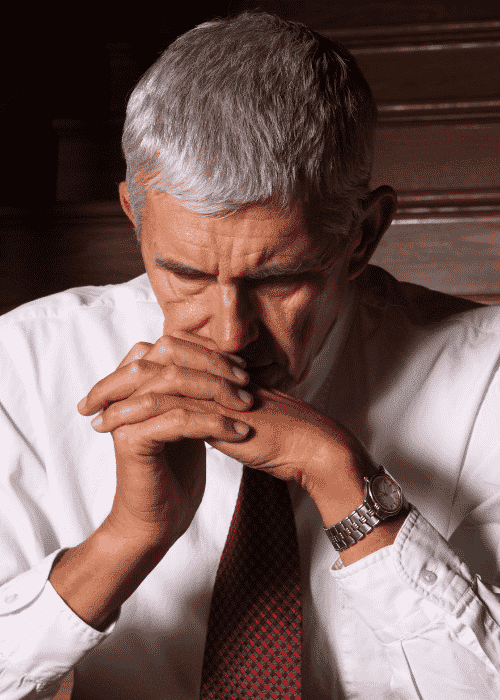
Sometimes, it’s hard to pinpoint the difficulty you’re having in life. You’re not in crisis mode. Nothing truly terrible has happened. Yet you lack motivation, getting through the day seems to require more and more effort, and you don’t really take much pleasure in life anymore.
For many people, this experience can be explained in biological terms, and dopamine is a large part of it. But dopamine isn’t just the feel-good chemical you’ve heard about online. It’s much more complex, and learning about its function in your brain will help you understand why you feel the way you do.
What Is Dopamine and Why Does It Matter for Mental Health?
Dopamine is a neurotransmitter in your brain that is most commonly associated with feelings of pleasure. It isn’t just part of the brain’s reward system, though: it also plays a crucial role in reinforcement, which is why humans seek out pleasurable things over and over again when dopamine is doing its job as intended.[1] This reinforcement mechanism is central to understanding dopamine and addiction in mental health, as substances and behaviors that spike dopamine can become compulsive.
Beyond reward and reinforcement, dopamine is involved in many processes in the brain and the body, such as smell, vision, pain, and sleep.[2] Disruptions within dopamine pathways are linked to many different conditions, including mood disorders.[3],[4]
When dopamine is doing what it’s supposed to be doing, you don’t even notice it. You just feel good. Understanding how things go wrong, and what that means for how you feel, requires a closer look at the brain’s dopamine pathways.
Brain Reward Pathways Explained
Your brain’s reward system includes an extensive network of structures that cooperate to identify pleasurable experiences and motivate you to seek those experiences out. One of the most important components of this system is the ventral tegmental area (VTA). Its job is to send dopamine signals to other parts of the system, namely the amygdala, hippocampus, and prefrontal cortex.[5] When this system functions well, you feel motivated to pursue your goals, connect with other people, and engage with activities that matter to you.
The mesolimbic system is also a key player. It serves as a signal relay, sending messages from dopamine neurons to regions involved in decision-making, memory, and emotion.[6] The system includes the nucleus accumbens, which can be considered the hub of the brain’s reward system. It is where signals from dopamine neurons end up, and where the brain determines how much value to assign to an experience and whether that experience is worth pursuing again.[7]
How Dopamine Affects Motivation and Everyday Mood
One of the best examples of dopamine imbalance symptoms is those associated with depression. In particular, depressed people experience low mood, lack motivation, and have difficulty concentrating.[1]
There is also a relationship between dopamine and anhedonia, or the inability to experience pleasure.[8] Anhedonia also includes deficits throughout the brain’s reward system, such as a lack of anticipation for reward events, little or no motivation to seek out rewards, and an inability to make decisions that lead to rewarding experiences.[9] For someone experiencing anhedonia, previously pleasurable things like hobbies, time with friends, romantic relationships and even food can feel flat or pointless.
There is also an age component as dopamine levels drop as you get older. In fact, your brain makes about one-third less dopamine by the time you’re in your mid-70s.[2] But dopamine deficiency isn’t something your mental health provider can diagnose you with. Instead, low dopamine symptoms in adults (and young people) usually indicates that another condition, like a mood disorder, is involved.[2]
Dopamine’s Role in Specific Mood Disorders
A breakdown in the dopamine reward system doesn’t align with just one mental health diagnosis. Instead, a dysregulation of dopamine has been documented in many psychiatric conditions. Its role in mood disorders is especially well understood.
Dopamine and Depression
The link between dopamine and depression centers on dopamine being critical to your ability to recognize and seek out rewarding experiences. Without it, you might experience a lack of motivation to seek out those rewards, as is seen with major depressive disorder.[9]
This understanding comes from brain imaging studies. These detailed images of the brain show much lower dopamine activity in people with depression and anhedonia.10 People with major depression who are given amphetamines experience a much higher level of euphoria, which suggests the more depleted the dopamine reward system is, the more dramatically it reacts when stimulants are introduced.[9]
Research has revealed several other important findings:
The nucleus accumbens has reduced activity in depressed patients, which is thought to result from a loss of reward function associated with diminished dopamine.[5]
The lack of dopamine associated with depression means the hippocampus doesn’t encode rewarding memories. As a result, depressed people might find it difficult to remember good experiences, even if those experiences are numerous and recent.[5]
About two-thirds of patients with depression don’t experience remission after their first course of antidepressants. Furthermore, common antidepressants like fluoxetine actually decrease dopamine, which might explain why typical antidepressants fail to improve symptoms like emotional flatness and low motivation.[9]
These symptoms of dopamine deficiency don’t usually occur in isolation. They are part of a broader pattern of dysfunction in the brain’s reward system that’s evident in many other mood disorders.
Dopamine Deficiency and Mood Disorders
The spectrum of dopamine deficiency and mood disorders is wide. Aside from its role in depression, a dysregulation of dopamine is also key in bipolar disorder. It affects not just the cognitive symptoms of bipolar (e.g., deficits of attention, executive functioning, and memory) but also the behavioral symptoms (e.g., fluctuating between mania and depression).[10]
While stress isn’t a mood disorder, prolonged stress can lead to inflammation in the brain that negatively impacts the performance of the reward system’s circuits. This means the brain can no longer generate the levels of dopamine needed to feel engaged and motivated, let alone feel pleasure. Things that used to be rewarding begin to feel pointless, not because you’ve changed, but because the biological mechanisms underlying motivation and reward have diminished. This erosion of dopamine functionality is part of multiple mood disorders, from major depression to dysthymia to bipolar disorder.[6]
The Dopamine and Anxiety Connection
Like stress, anxiety is not a mood disorder, but dopamine still plays an important role in the anxious brain.
The same reward circuits that govern motivation and pleasure also regulate how the brain responds to stress and uncertainty. Anxiety and depression often involve difficulties with memory, increased emotionality, and cognitive self-regulation problems.[11]
A dopamine deficiency can result in low mood associated with depression as well as heightened anxiety, which is why the two conditions commonly occur together.[5] Studies show that more than half of people with depression or anxiety show symptoms of the other disorder. This suggests that these disorders share common dopamine mechanisms, meaning they may not be entirely separate conditions.[5] Treatment that addresses dopamine dysregulation may therefore help with both conditions simultaneously.
Restoring Balance With Treatment and Lifestyle Approaches
Knowing that dopamine is important in depression and other mood disorders (and many other mental health conditions) raises an important question: what can be done about it? The answer includes both natural and clinical treatments, which are often most effective when used together.
How to Increase Dopamine Naturally
One of the best ways to increase dopamine naturally is through physical activity. And you don’t have to climb mountains or run marathons to enjoy its benefits. Instead, structured exercise, running, and even walking can be as effective for increasing dopamine in the brain as cognitive-behavioral therapy.[11]
Some research indicates that physical activity is even more effective for increasing dopamine levels than some antidepressants. Physical activity also shows positive results for increasing dopamine, serotonin, and endogenous opioids.[11]
Diet is also critical for increasing dopamine in the brain. A Mediterranean diet, for example, can reduce the risk of depression by up to one-third. This kind of diet (e.g., one that prioritizes fruits, vegetables, fish, and healthy fats) is anti-inflammatory and reduces prolonged low-grade inflammation throughout the body, including the brain.[11]
Another dietary element that helps increase dopamine is eating foods rich in tyrosine, an amino acid. Bananas, avocados, chicken, dairy, and soy are all rich in this substance.[1] Paired with reducing the intake of refined sugars, trans fats, and ultra-processed foods, this change in diet can help reverse dopamine dysregulation and have positive effects on mood. [11] These dietary changes work best as part of a broader approach to treatment, not as a replacement for professional care when it’s needed.
Medical Treatment for Dopamine Imbalance
Drug treatments are also available to address psychiatric disorders and dopamine dysregulation. Ketamine, for example, offers rapid and prolonged relief lasting up to one or two weeks after just one dose.10 Another option is agomelatine, an antidepressant that increases the number of active dopamine neurons. People with anhedonia can see improvement in just one week after starting treatment with agomelatine.[9]
Psychotherapy is also a well-supported medical treatment that can be as effective in addressing the symptoms of dopamine dysregulation. However, a balanced approach combining both therapy and the right medication usually provides the best results.[11]
Treatment is a process that takes time. But having the right support can go a long way in identifying which combination of approaches works best for you.
Mental Health Treatment and Dopamine Regulation: How Mission Connection Can Help
Understanding how dopamine works and its relationship with mood disorders is only useful if it leads to action. If you recognize yourself in what you’ve read, the next step is to speak with a healthcare provider who addresses your unique situation in full, not just your symptoms.
Mission Connection is an outpatient provider of mental health services for depression, bipolar disorder, and other mood disorders closely linked to dopamine dysregulation. Our team uses many different therapies to promote meaningful changes in the brain’s reward system. We take a personalized approach, recognizing that each person’s experience with mood disorders is different and requires individualized care.
Whether you choose in-person care at one of our locations in California, Washington, or Virginia, or our telehealth services, you’ll receive care designed to meet you where you are. Reach out to us today.
References
- Harvard Health Publishing (n.d.). Dopamine: the pathway to pleasure. https://www.health.harvard.edu/mind-and-mood/dopamine-the-pathway-to-pleasure
- McCallum, K. (2025). Signs of low dopamine: what's fact & what's fiction? https://www.houstonmethodist.org/blog/articles/2025/jan/signs-of-low-dopamine-whats-fact-whats-fiction/
- Franco, R., Reyes-Resina, I., & Navarro, G. (2021). Dopamine in health and disease: much more than a neurotransmitter. https://doi.org/10.3390/biomedicines9020109
- Speranza, L., Miniaci, M. C., & Volpicelli, F. (2025). The role of dopamine in neurological, psychiatric, and metabolic disorders and cancer: a complex web of interactions. https://doi.org/10.3390/biomedicines13020492
- Russo, S. J., & Nestler, E. J. (2013). The brain reward circuitry in mood disorders. https://pmc.ncbi.nlm.nih.gov/articles/PMC3867253/
- Dresp-Langley, B. (2023). From reward to anhedonia: dopamine function in the global mental health context. https://www.mdpi.com/2227-9059/11/9/2469
- Lewis, R. G. et al. (2021). The brain's reward system in health and disease. https://pmc.ncbi.nlm.nih.gov/articles/PMC8992377/
- Juarez Olguin, H. et al. (2016). The role of dopamine and its dysfunction as a consequence of oxidative stress. https://doi.org/10.1155/2016/9730467
- Belujon, P., & Grace, A. A. (2017). Dopamine system dysregulation in major depressive disorders. https://doi.org/10.1093/ijnp/pyx056
- Cousins, D. A., Butts, K., & Young, A. H. (2009). The role of dopamine in bipolar disorder. https://onlinelibrary.wiley.com/doi/10.1111/j.1399-5618.2009.00760.x
- Bottaccioli, A. G., Bologna, M., & Bottaccioli, F. (2025). Rethinking depression—beyond neurotransmitters: an integrated psychoneuroendocrineimmunology framework for depression's pathophysiology and tailored treatment. https://pmc.ncbi.nlm.nih.gov/articles/PMC11943243/