
Skip to content
Start Your Recovery Call 866-833-1822
Our Blog
Mission Connection
  • Patients
    • For Adults
    • For Ages 12-17
    • For Parents & Family
    • Privacy Practices
  • Referrals
    • Start a Referral
    • Clinical & Medical Professionals
    • Behavioral Health & Wellness Practitioners
    • Legal, Protective & Government Services
    • Institutional & Workplace Advocates
    • Local Referral Support
  • How It Works
    • Programs Hub
      • Virtual Telehealth Program
      • In-Person Program
      • Hybrid Telehealth & In-Person Program
    • Therapies
    • Conditions We Treat
    • Alumni & Support Network
    • Locations & Services Areas
      • California
      • Virginia​
      • Washington
    • Payment Options & Cost
  • Resources
    • Mental Health Conditions
    • Mental Health Symptoms
    • Medications
    • Self Assessments
    • Guides & FAQs
    • News & Blog
  • About
    • Mission & Values
    • Staff
    • Reviews & Testimonials
    • Outcomes Study
    • Careers
Get Started
  • Patients
    • For Adults
    • For Ages 12-17
    • For Parents & Family
    • Privacy Practices
  • Referrals
    • Start a Referral
    • Clinical & Medical Professionals
    • Behavioral Health & Wellness Practitioners
    • Legal, Protective & Government Services
    • Institutional & Workplace Advocates
    • Local Referral Support
  • How It Works
    • Programs Hub
      • Virtual Telehealth Program
      • In-Person Program
      • Hybrid Telehealth & In-Person Program
    • Therapies
    • Conditions We Treat
    • Alumni & Support Network
    • Locations & Services Areas
      • California
      • Virginia​
      • Washington
    • Payment Options & Cost
  • Resources
    • Mental Health Conditions
    • Mental Health Symptoms
    • Medications
    • Self Assessments
    • Guides & FAQs
    • News & Blog
  • About
    • Mission & Values
    • Staff
    • Reviews & Testimonials
    • Outcomes Study
    • Careers
Call Today
  1. Home
  2. Mental Health Guides
  3. Self-Help

Self-Help: How to Build a Self-Care Routine for Mental Wellness

Strategies for Mental Health and Wellness

Hayley Snelling, BS

PUBLISHED: 04/14/2025 | UPDATED: 04/01/2026

Authored by: Hayley Snelling, BS | Edited by: Emma Loker, BSc, PgDip

Do you ever feel mentally drained or overwhelmed? In the busy world that we live in, it’s easy to forget that you need to look after your mind and body. What if there was a simple way to hit the reset button and improve your well-being?

With as many as one in five adults experiencing mental illness each year, we can’t ignore the importance of self-care for mental health.[1] Building a self-care routine is an effective way to improve mental wellness. It helps you reduce stress, know yourself better, and improve your mood, all by making some small, positive changes to your daily habits. Creating a self-care routine can improve your mental well-being, allowing you to thrive rather than just survive.

On this page, we’ll discover what self-care is and the benefits it brings, what to include when creating a self-care plan, and some obstacles you may find along the way and how to overcome these.

What Is Self-Care for Mental Wellness?

Self-care is anything you do that focuses on your well-being. When people mention self-care, your mind might automatically go to bubble baths or a day at a spa, but it’s much more than this. Taking care of your mental wellness involves looking after your physical, mental, emotional, and social needs.

Self-care looks different for everyone because we are all unique and have individual needs. This is why it’s important to create a self-care routine that works for you, not what you might see other people doing on social media.

Improving your mental wellness through self-care can be broken down into four different areas – emotional, social, mental, and physical.

Emotional Self-Care

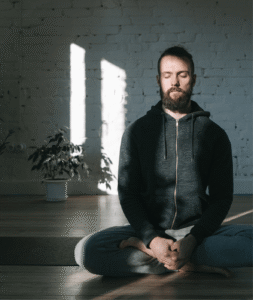
Self-care for emotional health includes ways to improve self-awareness and manage emotions better, such as stress or anxiety. This could include activities like meditation, therapy, or journaling.

Social Self-Care
Being connected with others is important, as research shows that feeling isolated is associated with a higher risk of depression.[2] To fulfill your social needs, you could reconnect with old friends, or join a new activity group to make new connections.
Mental Self-Care

Mental self-care involves activities that help your mental well-being, such as stress management or meditation.

Physical Self-Care

Physical self-care focuses on activities that are good for your body, like getting enough sleep, movement, and nutrition.

Benefits of Having a Routine for Mental Well-being

Neglecting self-care can have damaging effects on our health. Our stress levels can rise, we feel emotionally exhausted, and may even reach the point of burnout.[3] Let’s look at some of the benefits of having a self-care routine:

  • Emotional well-being: Self-care for emotional well-being can reduce anxiety and depression, and bring a sense of calm and self-worth.[4]
  • Helps with stress: Practicing self-care has been shown to increase your resilience – your ability to bounce back from events that knock you.[5] Building resilience can help you manage stress, which is important when a quarter of adults report feeling high levels of stress.[6] Self-care strategies for stress include relaxation techniques, hobbies, and spending time in nature.
  • Improves self-esteem: Self-care for your mental well-being involves activities that will naturally help you to feel more confident – spending time with friends, being physically active, picking up new skills or hobbies, having self-compassion, and learning to set healthy boundaries.[7]
  • Better sleep: Roughly one in three adults don’t get enough sleep.[8] However, good sleep is really important for your health. It helps your brain to work better, and your mood to improve, and is good for your health. Self-care practices such as exercise, sticking to sleep schedules, or avoiding electronics before heading to bed, can all have a positive effect on your sleep.[9]

It’s clear to see that self-care activities for mental wellness come with many benefits, but how do you create a self-care routine? Let’s dive into that next.

Ready to talk? Call us for a free, confidential consultation.

866-833-1822

Building a Self-Care Routine

You are ready to make a routine for your well-being, but where do you start? How do you know what you should be doing? And do you need to make a timetable to fit it all in? It doesn’t need to be as rigid or complicated as that, so we’ve broken the planning down into four steps for you.

1. Look At Your Current Needs

Start by thinking about the four areas mentioned earlier – emotional, physical, mental, and social – and decide how satisfied you are with them in your life right now. Are there any specific issues you are facing?

For example, you want to exercise more but never find the time. Perhaps you have felt isolated recently and want to meet new people. Maybe you feel stressed at the end of each workday and can’t switch off or unwind. Having a self-care routine can help with all of these.
2. Choose Activities That Meet Your Needs

There are so many activities that you can do to look after your well-being that there’s bound to be something you can add to your daily routine. Here are some self-care activities for mental wellness, broken down into those four important areas to give you some starting ideas for your plan:

Physical Self-Care Activities

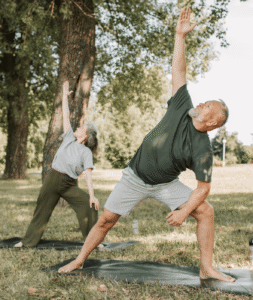
  • Exercise: Any type of movement can help improve your physical well-being, and regular exercise can also help reduce symptoms of depression and anxiety.[10] Think of activities like yoga, running, or dancing.
  • Nutrition: Eating a balanced diet, having more fruit or vegetables each day, cooking a meal from scratch.

Emotional Self-Care Activities

  • Therapy: If you struggle with your mental health, you may want to look at options for therapy, such as individual, online, or group therapy.
  • Journaling: This is a great way to get your thoughts and feelings out of your head and onto a page, and only requires a pen and paper. Studies show that journaling can improve your mood and boost your overall well-being.[11]

Mental Self-Care Activities

  • Mindfulness: This is an effective grounding technique to help you slow down your busy brain. It’s being aware and accepting of what’s happening in the present moment. Research shows that mindfulness can help reduce symptoms of depression, stress, and anxiety, as well as bring many other benefits.[12] You can use breathing exercises, relaxation techniques, or meditation.
  • Stress management: Stress can make you feel like you’re unable to cope with things life throws at you, so knowing how to manage stress is important for your well-being. Time management, relaxation, and prioritizing sleep can help you manage stress better.

Social Self-Care Activities

  • Connections: Seeing friends for coffee, calling family for a chat, or going to an activity group like a knitting circle or running club can all provide that vital social connection we need for our well-being.
  • Setting healthy boundaries: This can be a tough one for a lot of people, as it can feel difficult to say no to people. Setting boundaries might look like protecting your time to rest and relax, or learning to say ‘no’ when you don’t have the energy to do things other people want you to do.
3. Set Clear, Achievable Goals

Setting a clear goal helps to get you in the mindset for change, as you have an aim you are working towards. Remember that your goal needs to be specific and achievable, otherwise, you are setting yourself up for failure from the start which may make you feel worse.

Here are two examples of making clear, achievable goals:

  • “I want to start improving my physical health by going for a 15-minute walk three times a week and eating one piece of fruit each day.”
  • “I want to feel more relaxed because I often feel stressed. I want to do a relaxing activity each day after work to help me unwind.”

Both of these state what they plan to do, how often to do it, and why they want to do it.

4. Make a Commitment

Decide that prioritizing your self-care is important to you. Whether you set a reminder on your phone, or write it down on your calendar, make sure that your goal is there for you to see, along with the activities you need to do it.

Your health and wellbeing matter and you deserve to look after yourself. Even if it’s just finding two minutes for a breathing exercise each day before bed, the little changes add up. Commit to yourself today.

Video thumbnail

How to Overcome Challenges

Even with the best intentions, obstacles can get in our way. If you want to pre-empt them, here are some of the most common challenges when it comes to starting a new self-care routine.

Challenge: Time

We never have enough time, right? Maybe it’s a good moment to look over your plan again. Are your activities too long? If you want to incorporate relaxation, you could start with a one-minute breathing technique.

If you want to start walking for your health, you could begin by going around the block. Schedule when you are going to do your activity and see if you can stick to it with the help of reminders or alarms.

Challenge: Environmental Factors

Sometimes, we want to make changes, but it can be difficult to practically do. Take exercise, for example. You want to go for a run, but there aren’t any parks near you or the area where you live isn’t the safest to go running around.

This is a challenge, but you may be able to adjust your plan to help. What if you went for a walk instead? Perhaps you could buy a treadmill for your home, or find a cheap gym nearby where you could run? Perhaps you could run with a friend so that you feel safer.

Challenge: Guilt

You might think that it all feels a bit too luxurious – why do you deserve to spend time on yourself? You might have other things that you should be doing instead – caring for people, or really important things.

If this is you, remember that your self-care is important for your well-being and that you can support others better if you are in a good place yourself. You are just as deserving of care and kindness as anybody else. If you had a friend telling you that they felt guilty looking after themselves, what would you say to them? Treat yourself with the same empathy that you would a loved one.

Challenge: Consistency and Motivation

Some conditions can make self-care feel more challenging. Depression can steal your energy and leave you unable to get up in the morning, and anxiety can keep you awake all night worrying. Self-care can help ease these symptoms, but it might feel difficult to keep momentum going when you have these obstacles in the way.

Making a flexible self-care routine can help when it comes to consistency. Include activities that you can choose from on days when you’re stuck in bed or exhausted, such as progressive muscle relaxation exercises, or having a book to read by your bed or on your phone.

A routine doesn’t need to be rigidly scheduled – you can have a list of activities for ‘good’ days and a different list for days when you feel less good. Keep in mind the reason you are doing all of this – to improve your well-being.

Everyone Deserves to Thrive.

We're here to help you learn the skills to manage your mental health symptoms. There's no commitment required. Just an honest, confidential conversation about the support you need. Let's take the first step together.

Call 866-833-1822Start Online

Getting Support for Your Mental Health

If you feel like you need some professional support alongside your self-care, we are here to help you. At Mission Connection, we know that you are facing unique challenges – that is why we provide a completely individualized treatment plan to help you feel like yourself again.

Whether you are looking for intensive help through an outpatient program or regular therapy sessions such as cognitive behavioral therapy or online therapy, we have something to suit your needs and circumstances.

Cost shouldn’t be a barrier to getting the help you need, which is why we have a range of payment options, including insurance plans, flexible private pay and financing plans, as well as sliding scale fees based on financial need.

If you’re ready to start feeling better, contact us today at 866-833-1822 or start online to find out how we can support you through your healing journey.

"*" indicates required fields

1Get Started
2
3
4
5
6
7
8Background
9
10
11
12
13
14
15
16
17
18Finalize
19
20
Are you seeking help for yourself, a loved one or a client?*
Are you suffering with any of the following mental health symptoms?*
Mental Health Symptoms
To help us understand how we can help, which of the following signs or behaviors have you recently noticed in your loved one that are causing you concern?*
Referring Provider Information
Consent
By checking this box, I agree to the terms of service and privacy policy and give my express written consent for Mission Connection, an AMFM Healthcare company, to contact me at the number provided above, even if this number is a wireless number or if I am presently listed on a Do Not Call list. I understand that I may be contacted by telephone, email, text message or mail regarding my options and that I may be called using automatic dialing equipment. Message and data rates may apply. Consent to receive text messages is not a condition of purchase. Message frequency varies. Reply HELP for help. Reply STOP to unsubscribe.
Referrer Location*
What is your relationship with your loved one?*
I am their....
Is your loved one 18 years of age or older?*
Is your loved one aware you are reaching out on their behalf?*
Patient Information
We will reach out to you first before contacting your .
Our goal is to help you and them without causing undue stress.
Is the patient 18 years of age or older?*
Patient Location*
Our team is dedicated to providing specialized care for patients ages 12-65.
Intended Level of Care*
What state do you live in?*
What state does live in?*
✨ Your Treatment Preferences

Let's figure out your availability and the type of care you are looking for. If you are unsure about any of these options, that's okay - we're here to help and can discuss your options.

How many days a week are you interested in care?*
What type or level of care are you interested in?*
What do you mean by level of care?
In-Person
This is traditional care where you physically go to a therapist's office or a clinic for your sessions.
Think of it like: Going to your regular doctor's office.
Best for: People who prefer face-to-face interaction, need hands-on therapies, or are dealing with a crisis that requires immediate, secure support.
Telehealth / Virtual
This is care you receive remotely using technology, usually through video calls (like Zoom), phone calls, or secure messaging.
Think of it like: A video chat with a friend or a work meeting, but with your mental health provider.
Best for: People who need convenience, have mobility issues, or live far from providers. Good for people that are comfortable using technology.
Hybrid In-Person / Virtual
This is a mix of both in-person and virtual care. Some appointments you attend in the office, and others you do remotely.
Think of it like: A flexible school schedule where you have some classes online and some face-to-face.
Best for: People who want the personal connection of in-person care but also need the flexibility and convenience of virtual appointments.
Residential
This is the most intensive level of mental health care, where you live one of our houses for a period of time (days, weeks, or months) to receive round-the-clock structure and support. It is usually for people with severe symptoms or who have not gotten better with less intensive treatment.
Think of it like: A live-in retreat or school where all your time is dedicated to getting better under professional supervision.
Best for: People who are struggling to function safely or manage their illness at home and need a safe, structured, therapeutic environment.
Unsure
This simply means you don't know yet what level of care is right for you. It's perfectly normal!
Your Next Step: You start by talking to our mental health intake specialist who can assess your needs and recommend the appropriate level of care.
What schedule works best for you?*
Do you have a stable internet connection and computer or a smartphone that can do virtual meetings?*
✨ Experience with Treatment

This section focuses on your past experiences with therapy or other mental health treatments. We want to know what was tried, what was helpful, and what didn't work for you.

Have you ever been in an outpatient or residential mental health program (excluding 1-to-1 therapy)?*

This section allows you to enter multiple items of information using a flexible list.

Flexible List How To
  1. List one item per row.
  2. Click the "+" button to include as many entries as you need.
  3. Use the "-" button to delete any unwanted rows.
if yes, please tell us about your previous treatment history.
Approximate Start Date
Type of Care
Provider or Company
Location
 
Is there anything you found particularly beneficial or enjoyable about your previous treatment?
This section allows you to enter multiple items of information (like medications, past employers, or addresses) using a flexible list.
We want to find the best fit for you, and your experience is important. Could you share why the previous program wasn't the right fit? Knowing your reasons will help us tailor a better solution moving forward.
📜 Background

This section asks questions about your general physical and mental health. This includes information on past illnesses, ongoing medical conditions, previous psychiatric diagnoses, and any significant life events that have affected your well-being.

Have you been hospitalized in the last 30 days?*
What type of hospital visit was it?*
Was your visit voluntary or involuntary?*
Do you have any current diagnosis for any physical or mental health conditions?*
If yes, which if, if any, of the following conditions do you have a diagnosis for or have experienced?*
Mental Health Conditions Diagnosis List
Do you have any accommodation or support requirements related to ASD?*
Do you have a history of seizures?*
Are you currently in care with a psychiatrist, psychologist, or therapist?*
Your 's Location*
Please indicate if you currently have a condition that results in low or restricted function in any of the following areas:*
Are you currently taking any prescribed medication?*
If yes, are you prescribed any of the following medications?*
Are you currently (within the last 3 weeks) using any non-prescribed substances?*
This includes alcohol, non-prescribed medications, and illicit substances.
Please indicate which type of substances you have used in the last 3 weeks..*
Are you currently experiencing any withdrawal symptoms?*
Have you ever overdosed on any medication or substances?*
When did your last overdose occur?*
Do you have a history with eating disorders?*
Do you have an active eating disorder?*
Note: Over the last three weeks, would you say that thoughts about your weight, body shape, or food have dominated your life causing you significant distress, restricted eating, bingeing, purging, or excessive exercise.
Have you ever had a traumatic brain injury (TBI)?*
Have you ever put yourself or someone else in harm's way as a result of your mental health symptoms?*
Do you have active thoughts of harming yourself?*
If yes, please indicate which, if any apply toward harming yourself:*
Do you have a history of suicide attempts or planning?*
How many suicide attempts have you had in your lifetime?*
Do you have active thoughts of harming others?*
If yes, please indicate which, if any apply toward harming others:*
What is your current living situation?*
What type of relationships do you have in your life?*
You indicated you have children. What is their living situation*
Is your children's current living situation your preferred arrangement?*
What other types relationships do you have in your life?*
What is your employment situation?*
Currently Employed
Are you a military veteran or active service member?*
. thank you for your service! 👏
Do you have any history of trauma?*
What types of trauma have you experienced?*
Do you have any history of being sexually or financially exploited?*
Do you have any history of violent behavior?*
Do you have any current or past legal issues (Domestic Violence, Prior Arrests, DUI, Felonies, etc.)?*
Do you have any pending felony charges?*
Do you have a felony conviction related to violence, kidnapping, murder, aggravated assault or battery, or reckless endangerment?*
This includes but is not limited to: domestic cases, custody cases, criminal cases, civil cases. If nothing is pending, please put none.
Do you have a history of harming animals?*
Do you have any history of fire setting or arson?*
Do you have any history of sexually deviant behavior?*
🏥 Paying for Treatment

Our mental healthcare programs are always tailored to meet your individual needs. Because of this, your unique treatment plan and the level of care you require will determine your exact costs. We will go over any out-of-pocket costs with you directly over the phone or in person. You have multiple options to pay for high-quality mental healthcare services.

Using Insurance for Care: The Affordable Care Act made mental health treatment an essential benefit. As a result, your insurance may cover all or part of your treatment. Your responsibilities will include any co-pay and/pr deductible while your insurance provider will cover the rest. We'll help you check this in the next step.

Financing Options: We believe everyone who needs help should be able to attend a mental healthcare program. Based on your situation, you may qualify for financing or other flexible payment options. We will discuss this option with you on the phone.

Self-Pay Options: We accept Checks, ACH, major cards, and some wallet or digital payment options to help you pay for your care.


Click outside the tooltip to close
Do you have health insurance?*
🏥 Health Insurance Info

You can quickly and privately check your insurance benefits with us right now. We'll be able to tell you if your provider is in-network with our programs.

You can find the necessary information on your providers' online portal or on your insurance card.

Insurance Card Examples
Click outside the tooltip to close
This may be listed as member ID, subscriber ID, or just ID on your insurance card.

References

  1. Mental health by the numbers. (2025, March 27). National Alliance on Mental Illness (NAMI) https://www.nami.org/about-mental-illness/mental-health-by-the-numbers/
  2. Luo, Y., et al. (2012). Loneliness, health, and mortality in old age: a national longitudinal study. Social Science & Medicine 74(6), 907–914. https://doi.org/10.1016/j.socscimed.2011.11.028
  3. Reid, S. (2024, August 27). Self-care strategies to improve your overall mental health. HelpGuide.org https://www.helpguide.org/mental-health/wellbeing/self-care-tips-to-prioritize-your-mental-health
  4. Pilkington, K., & Wieland, L. S. (2020). Self-care for anxiety and depression: a comparison of evidence from cochrane reviews and practice to inform decision-making and priority-setting. BMC Complementary Medicine and Therapies 20(1), Article 171. https://doi.org/10.1186/s12906-020-03038-8
  5. Ayala, E. E., et al. (2018). U.s. medical students who engage in self-care report less stress and higher quality of life. BMC Medical Education 18(1), Article 189. https://doi.org/10.1186/s12909-018-1296-x
  6. Stress in america 2023: a nation recovering from collective trauma. (n.d.). American Psychological Association https://www.apa.org/news/press/releases/stress/2023/collective-trauma-recovery
  7. Raising low self-esteem. (2025, January 15). NHS https://www.nhs.uk/mental-health/self-help/tips-and-support/raise-low-self-esteem/
  8. Sleep health. (2023, July 26). National Heart, Lung, and Blood Institute https://www.nhlbi.nih.gov/health-topics/education-and-awareness/sleep-health
  9. Good sleep for good health. (2024, June 18). National Institutes of Health https://newsinhealth.nih.gov/2021/04/good-sleep-good-health
  10. Carek, P. J., Laibstain, S. E., & Carek, S. M. (2011). Exercise for the treatment of depression and anxiety. The International Journal of Psychiatry in Medicine 41(1), 15–28. https://doi.org/10.2190/pm.41.1.c
  11. Baikie, K. A., & Wilhelm, K. (2005). Emotional and physical health benefits of expressive writing. Advances in Psychiatric Treatment 11(5), 338–346. https://doi.org/10.1192/apt.11.5.338
  12. i, P., Mao, et al. (2022). Mindfulness on rumination in patients with depressive disorder: a systematic review and meta-analysis of randomized controlled trials. International Journal of Environmental Research and Public Health 19(23), 16101. https://doi.org/10.3390/ijerph192316101

Related Articles

MC photo 1 3 - Mission Connection

Exercise and Mental Health

Learn more
MC photo 1 18 - Mission Connection

Grounding Techniques for Anxiety and Panic Attacks

Learn more
MC photo 1 15 - Mission Connection

Journaling for Mental Health

Learn more
MC photo 1 12 - Mission Connection

Mindfulness and Meditation for Stress Reduction

Learn more
Struggling with Anxiety, Depression, or other Mental Health Issues? We're Here to Help!

Making your mental health a priority has never been so easy. We offer flexible schedules during the day, in the evening, and on weekends, so you can find the perfect time for you.

Start Online
Mission Connection
30300 Rancho Viejo Rd.
San Juan Capistrano CA 92675
info@missionconnectionhealthcare.com
Call 866-833-1822

Licenses & Accreditations

The Joint Commission National Quality Approval gold seal
NABH
NAATP
HIPAA Compliant
CDSS logo
DHCS
WADOH
DBHDS
LegitScript Certified Badge

Quick Links

  • Our Approach
  • Programs
  • California
  • Virginia
  • Washington
  • Contact Us
  • About Us
  • Reviews
  • Outcomes
  • Careers
  • Resources
Privacy Policy | Terms of Use | Cookie Policy | Sitemap
Copyright 2026 © Mission Connection All Rights Reserved