
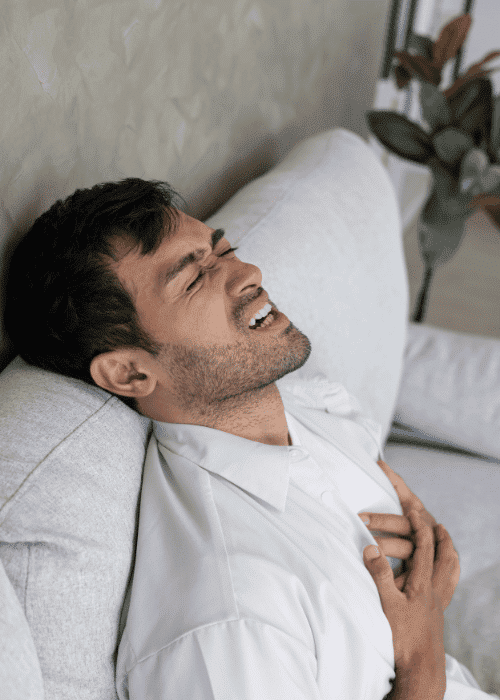
There are few sensations as alarming as feeling your heart suddenly beat heavily in your chest. Understandably, heart palpitations can put us on high alert and be especially worrying for those prone to anxiety. This may particularly be the case if there’s an underlying health concern.
What’s more, heart palpitations can feel like they come out of nowhere, without warning; they can happen when at work, when relaxing at home, or even when you’re lying in bed. As a result, it’s normal to catastrophize about what they might mean.
If you or a loved one regularly deals with heart palpitations, it’s important to seek professional advice. A doctor can help you rule out potential underlying medical conditions, and a mental health expert can look at other contributory factors.
This article can also work as a useful guide to understanding heart palpitations and anxiety in adults, as it explores:
- What heart palpitations from anxiety are
- Why anxiety triggers palpitations
- How to tell the difference between stress-related heart palpitations and heart problems
- Ways of coping with anxiety and palpitations
- Therapy and professional support for anxiety and palpitations
- How Mission Connection can help
What Are Heart Palpitations From Anxiety?
Palpitations can be described as having a noticeable awareness of your own heartbeat, such as sensations of fluttering, thumping, pounding, or skipping beats. They’re often felt in the chest or further up in the neck, and usually last anything from a few seconds to minutes at a time.
While palpitations are harmless for many, they can be concerning when they happen a lot or when they feel very intense. Also, it’s important to remember that while palpitations can be attributed to what’s going on in the mind, the physical sensation is very real. The body is responding to signals from the brain that activate the “fight or flight” system.
Fight or flight is, simply put, when the body goes into a state of high alert. In the time of our ancient ancestors, this response was highly useful in situations of threat, such as in the presence of predators and wild animals.
Nowadays, when anxiety is present, it’s more common for the fight or flight response to be triggered in situations where there isn’t any imminent danger to life. In fact, scenarios that seem high stakes, like final year exams, interviews, and so on, can be enough to trigger this high alert state.
Fight or flight typically comes with a set of recognizable physical symptoms. Heart palpitations are one of these symptoms, but they also include other signs like sweating, trembling, and shortness of breath. Knowing that stress and anxiety are behind these issues can be helpful in reducing the fear associated with them. However, it’s always important to get any physical issues assessed by a doctor.
Physical Symptoms of Anxiety
Beyond palpitations, anxiety may produce a wide range of physical symptoms, including:
- Trembling or shaking
- Sweating
- Shortness of breath
- Stomach upset or nausea
- Headaches or muscle tension
- Dizziness or lightheadedness
Additionally, panic attacks and heart palpitations often go hand in hand. In fact, these stressful situations often involve such intense feelings of anxiety that people commonly mistake symptoms for a heart attack.[1]
Causes: Why Anxiety Triggers Palpitations
Studies show that people experiencing anxiety disorders often report physical symptoms such as palpitations, dizziness, chest tightness, and shortness of breath.[2]
This is because, when anxiety strikes, your body prepares for perceived danger – entering into the fight or flight response as discussed earlier. As a result, the body releases stress hormones which:
- Increase heart rate
- Elevate blood pressure
- Redirect blood flow toward muscles
- Heighten awareness
This “rush” can cause the familiar racing heartbeat or fluttering chest feeling. In fact, even if no external threat exists, the body can react as though one does. For this reason, everyday stressors, such as work deadlines, financial worries, relationship conflicts, or major life changes, can all set this response in motion.
Interestingly, heart palpitations are one of the most common reasons people with anxiety visit doctors, as they often fear they’re experiencing heart trouble.[2] Worrying about heart palpitations can also make them more intense, creating a feedback loop that worsens the symptom and the anxiety around it.[3]
Knowledge of coping strategies, therapy, and lifestyle changes can help to demystify stress-related heart palpitations and remove the fear surrounding them. However, before we get to these topics, it’s important to tell the difference between anxiety palpitations and genuine heart problems.
How to Tell the Difference Between Anxiety Palpitations and Heart Problems
Sometimes, it can be difficult to distinguish anxiety-related palpitations from cardiac issues. But the following are some tips that could help:
- Anxiety palpitations often come with a sense of dread or worry, and may be triggered by stressful thoughts or events. They usually come and go quickly, feeling irregular, but not overly painful.
- Heart-related palpitations may be accompanied by chest pain, pressure, nausea, fainting, or shortness of breath when carrying out activities that cause exertion or extreme stress. For example, after exercise.
If you’re unsure whether your palpitations are the result of anxiety or a physical health concern, it’s always safest to consult a doctor. They can run simple tests to confirm if your heart is healthy and, as a result, help reduce the anxiety and fear around palpitations.[4]
When to Seek Medical Help for Palpitations
While anxiety is a common cause of palpitations, not all palpitations should be brushed off. It’s important to seek medical attention if you experience:
- Chest pain or tightness
- Dizziness or fainting
- Shortness of breath with palpitations
- Palpitations lasting longer than usual or happening very frequently
Even if your issues aren’t the result of a physical problem, seeking help can ensure peace of mind and rule out heart conditions that require medical care.
Coping With Anxiety and Palpitations: Daily Mental Health Tips
Once you have confirmation that palpitations aren’t caused by a physical health concern, managing them usually comes down to reducing anxiety’s impact on the body. This often starts with simple, everyday habits, such as the following:
Practice Relaxed Breathing
Slow, deep breaths are a proven pathway to regulating stress hormones and promoting calm.[5] The best part about this practice is that this can be done anywhere: at the office, on the bus, or just when you’re out and about.
Use Grounding Techniques
Focusing on physical sensations outside your body can help break the cycle of worry. The “5-4-3-2-1” technique (noticing five things you see, four you feel, three you hear, two you smell, and one you taste) can be enough to shift your attention away from palpitations and keep you focused on the present.[6]
Keep a Routine
It’s easy to understand how a routine can be a reliable constant in life that can keep people grounded – especially for those with anxiety. A consistent sleep schedule, balanced meals, and daily movement can have positive effects on the mind and body. In contrast, sleep deprivation, caffeine overload, and skipping meals can all worsen palpitations.[7]
Try Journaling
Journaling or writing down moments when palpitations occur can reveal triggers and patterns. This can help distinguish between stress-related causes and potential physical contributors.[8]
Limit Stimulants
Caffeine, nicotine, and energy drinks can all intensify palpitations. In fact, studies show that cutting back on nicotine and coffee often brings noticeable relief within days.[9]
Physical Activity
Regular exercise can reduce anxiety by promoting the release of “feel-good” hormones and improving heart health, which may lessen how strongly palpitations are felt.[10]
Engage in Mindfulness Practices
Mindfulness practices, such as progressive muscle relaxation, can ground you in the here and now. By tensing and releasing the muscles in a calm, controlled manner, you can calm the nervous system and reduce palpitations during anxious moments.[11] Additionally, guided meditations can also help reduce overthinking and anxiety-triggered palpitations.[12]
Therapy and Professional Support for Heart Palpitations and Anxiety
When palpitations interfere with daily life, daily coping strategies may not be enough to ease symptoms by themselves. In such cases, seeking professional therapy and support can be transformative.
The following are some evidence-based options for treating anxiety:
- Cognitive behavioral therapy (CBT): Studies show CBT significantly reduces both anxiety and palpitations.[13] It does so by helping reframe negative thinking patterns and replacing them with balanced interpretations. For example, replacing thoughts like I’m having a heart attack with My body is reacting to a stressful event, but I’m not in danger.
- Mindfulness and relaxation Therapies: Mindfulness therapy can train the mind to stay present, easing the intensity of anxiety-related heart symptoms.[14]
- Other forms of psychotherapy: Aside from CBT, other forms of talking therapy for anxiety-related heart palpitations can help unpack deeper worries or life transitions that serve as triggers. For example, psychodynamic therapy can target issues from the past that contribute to anxiety in the moment. Additionally, dialectical behavior therapy (DBT) can help process intense negative emotions, which may lead to palpitations.
- Stress management programs: Structured programs can teach practical tools for reducing stress reactivity. These often involve training in time management, relaxation exercises, and healthy lifestyle planning.[15]
- Group support: Connecting with peers in a professionally guided setting can offer much-needed social support for people with anxiety related palpitations. Knowing that there are others experiencing issues with anxiety and palpitations, and working through issues with a network of like-minded people, can go a long way to feeling less alone – and calmer.[16]
Lifestyle and Long-Term Wellness Strategies for Anxiety and Palpitations
Beyond therapy, long-term lifestyle changes can make a meaningful difference to the physical symptoms of anxiety. These might include elements like:
- A balanced diet: Limiting processed foods and sugars while including fruits, wholegrains, vegetables, and lean proteins can support both the heart and mental health.[17]
- Adequate Sleep: Seven to nine hours of sleep per night may help regulate stress hormones and reduce palpitations.[18]
- Hydration: Even mild dehydration can exacerbate palpitations and anxiety. Four to six glasses of water a day is the general rule of thumb for most adults.
- Regular check-ins: When the physical symptoms of anxiety start to feel especially worrying, it’s good for peace of mind to check in with your healthcare provider now and then.
By integrating practices such as these into daily life, you or a loved one can gain better control over anxiety and stress-related palpitations. As a result, you may find that these issues become less of an obstacle in living a fulfilled and satisfying life.
Mission Connection: Peace of Mind When You Need It Most
Heart palpitations linked to anxiety can feel frightening, but with understanding can come relief. While these sensations are very real, it’s important to remember why they happen and that they’re typically not dangerous.
Looking after your mental health can be a breakthrough for managing palpitations. If you or a loved one suffers from anxiety or stress, and palpitations further add to your worries, then the experienced team at Mission Connection is on hand to help.
Our team can help you respond to a rapid heartbeat with confidence instead of fear – knowing you have the right tools and support available to get through the experience calmly.
We provide a variety of evidence-based treatment options that can be tailored to your specific needs, whether you require immediate support or more long-term continued help. Our telehealth services also mean that you can fit therapy into your schedule flexibly, allowing you to receive care from the comfort of your home.
By also offering comprehensive medication monitoring alongside various therapies, Mission Connection can be a guiding light toward successful and sustained healing. If you’re ready to explore our treatment options, contact us today or complete our confidential contact form for more information.
References
- Ballenger, J. C. (2000). Panic disorder and cardiovascular disease. Journal of Clinical Psychiatry, 61(suppl 8), 31–37.
- Beaudreau, S. A., & O’Hara, R. (2008). Late-life anxiety and cognitive impairment: a review. The American Journal of Geriatric Psychiatry, 16(10), 790–803. https://doi.org/10.1097/JGP.0b013e31817945c3
- Roth, W. T. (2005). Anxiety and its relation to cardiac symptoms. Herz, 30(7), 598–604. https://doi.org/10.1007/s00059-005-2818-y
- Jerath, R. et al. (2006). Physiology of long pranayamic breathing: neural respiratory elements may provide a mechanism that explains how slow deep breathing shifts the autonomic nervous system. Medical Hypotheses, 67(3), 566–571. https://doi.org/10.1016/j.mehy.2006.02.042
- Wahbeh, H., Elsas, S. M., & Oken, B. S. (2008). Mind-body interventions: applications for older adults. Aging Health, 4(4), 463–480. https://doi.org/10.2217/1745509X.4.4.463
- Shuper Engelhard, E., Pitluk, M., & Elboim-Gabyzon, M. (2021). Grounding the connection between psyche and soma: creating a reliable observation tool for grounding assessment in an adult population. Frontiers in Psychology, 12, 621958. https://doi.org/10.3389/fpsyg.2021.621958
- Hou, W.-K. et al. (2020). Regularizing daily routines for mental health during and after the covid-19 pandemic. Journal of Global Health, 10(2), 020315. https://doi.org/10.7189/jogh.10.020315
- Smyth, J. M., & Pennebaker, J. W. (2008). Exploring the boundary conditions of expressive writing: in search of the right recipe. British Journal of Health Psychology, 13(1), 1–7. https://doi.org/10.1348/135910707X260117
- Temple, J. L. (2017). The safety of ingested caffeine: a comprehensive review. Food and Chemical Toxicology, 109, 585–595. https://doi.org/10.1016/j.fct.2017.04.002
- Stonerock, G. L. et al. (2015). Exercise as treatment for anxiety: systematic review and analysis. Annals of Behavioral Medicine, 49(4), 542–556. https://doi.org/10.1007/s12160-014-9685-9
- Conrad, A., & Roth, W. T. (2007). Muscle relaxation therapy for anxiety disorders: it works but how? Journal of Anxiety Disorders, 21(3), 243–264. https://doi.org/10.1016/j.janxdis.2006.05.003
- Khoury, B. et al. (2013). Mindfulness-based therapy: a comprehensive meta-analysis. Clinical Psychology Review, 33(6), 763–771. https://doi.org/10.1016/j.cpr.2013.05.005
- Hofmann, S. G. et al. (2012). The efficacy of cognitive behavioral therapy: a review of meta-analyses. Cognitive Therapy and Research, 36(5), 427–440. https://doi.org/10.1007/s10608-012-9476-1
- Pennebaker, J. W., & Smyth, J. M. (2016). Opening up by writing it down: how expressive writing improves health and eases emotional pain. Guilford Publications.
- Varvogli, L., & Darviri, C. (2011). Stress management techniques: evidence-based procedures that reduce stress and promote health. Health Science Journal, 5(2), 74–89.
- Ozbay, F. et al. (2007). Social support and resilience to stress: from neurobiology to clinical practice. Psychiatry, 4(5), 35–40.
- Lassale, C. et al. (2019). Healthy dietary indices and risk of depressive outcomes: a systematic review and meta-analysis of observational studies. Molecular Psychiatry, 24(7), 965–986. https://doi.org/10.1038/s41380-018-0237-8
- Alvaro, P. K., Roberts, R. M., & Harris, J. K. (2013). A systematic review assessing bidirectionality between sleep disturbances, anxiety, and depression. Sleep, 36(7), 1059–1068. https://doi.org/10.5665/sleep.2810