
- Anxiety and stress
- Depression
- PTSD
Sleep Disorders: What They Are & How to Manage Them
Sleep is meant to come swiftly and be restorative. So what happens when neither is the case?
You may be one of millions of people across the world who just isn’t getting enough restful sleep. While it’s nice to know you’re not alone, it would be even better to wake up feeling energized and ready to take on the day.
Around 33% of adults report ongoing issues with insomnia, or the lack of ability to get adequate sleep despite appropriate surroundings.[1] Sleep disorders can lead to a deficit in daytime functioning as well as chronic mental and physical health issues. Although sleep disorders can be debilitating and anxiety-provoking, treatment can help individuals improve their quality of sleep and manage symptoms more effectively.
If you are dealing with factors that consistently affect your sleep, your healthcare provider can help you determine when to seek treatment. This article will explore the following:
- The nature and presentation of sleep disorders
- Potential causes and types of sleep disorders
- How sleep disorders affect mental health
- Diagnosis and treatment of sleep disorders
- When you should seek help for sleep disorders
What Are Sleep Disorders? When Sleep Becomes a Health Concern
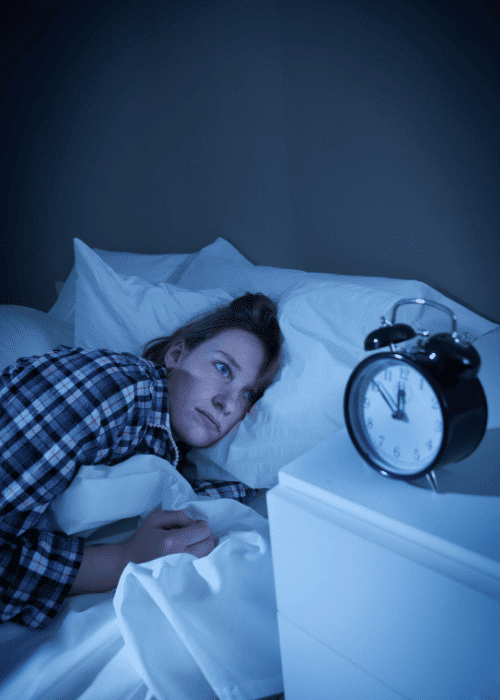
According to the American Psychiatric Association, sleep disorders consist of problems with the timing, quality, and amount of sleep, leading to diminished daytime functioning.[1] For some people, nighttime becomes a frustrating cycle of tossing, turning, and dreading sunrise. Others may fall asleep quickly but wake throughout the night and are unable to fall back asleep, leading to overwhelming exhaustion throughout the day.
Occasional nights of sleeplessness aren’t abnormal. Sleep disruptions can be caused by stress, illness, or changes in routine. However, persistent sleep issues that lead to distress and chronic exhaustion can and should be addressed further.
What Are the Most Common Types of Sleep Disorders?
While there are several types of sleep disorders, these are some of the most predominant:[2]
- Insomnia: Difficulty falling asleep, staying asleep, or getting quality rest.
(This involves persistent symptoms and daytime consequences, not just the occasional restless night.) - Obstructive Sleep Apnea: excessive snoring and momentary cessation in breathing during sleep. (Many people don’t realize it is happening.)
- Restless Legs Syndrome: Feeling the urge to move your legs, leading to an inability to fall or stay asleep.
- Narcolepsy: Excessive daytime sleepiness caused by the brain’s inability to regulate sleep-wake cycles. (Some people also experience cataplexy, a sudden loss of muscle tone triggered by emotion.)
- Circadian Rhythm Disorders: When your body clock doesn’t match your schedule.
(A person’s natural sleep timing may be out of sync with the conventional day-night schedule.) - Parasomnias: Atypical, disruptive behaviors or experiences that happen while falling asleep, during sleep, or upon waking.
What Are the Signs and Symptoms of Sleep Disorders?
The symptoms associated with sleep disorders can be separated into three distinct categories based on when they present – at night, during the day, or over time.
Nighttime Symptoms:
- Difficulty falling asleep
- Frequent waking
- Unusual movements
- Snoring or gasping
- Disrupted sleep
Daytime Symptoms:
- Fatigue
- Excessive sleepiness
- Irritability
- Poor concentration
- Difficulty functioning
Gradually Appearing Symptoms:
- Persistent changes in mood, motivation, routines, and overall quality of life
One thing to keep in mind is that there may be other factors contributing to some of these signs and symptoms. For example, there are many medical and psychological conditions that cause disrupted sleep, fatigue, or changes in mood, which highlights the importance of working with your healthcare provider to understand the root cause(s) of these issues.
What Causes Sleep Disorders? Understanding the Factors That Disrupt Sleep
There are a wide range of medical, mental health, lifestyle, and environmental factors that can lead to sleep disorders.[2]
Mental Health Conditions
Medical Conditions & Physical Issues
- Sleep-related breathing disorders
- Chronic pain
- Neurological and brain disorders
- Cardiovascular and pulmonary issues
- Urinary and endocrine problems
Lifestyle & Substance Habits
- Caffeine and stimulants
- Alcohol
- Heavy or late meals
- Irregular schedules
- Screen time and blue light
Medications & Substances
- Prescription drugs
- Substance withdrawal
Environmental & Age Factors
- Room Conditions
- Aging
- Genetics
Proven Results
Our outcomes speak for themselves. Mission Connection delivers measurable results through evidence-based treatment.
97%
felt safe during their time at Mission Connection.
95%
of clients felt that the staff cared about them and their success.
91%
said they made right choice by choosing to come to Mission Connection.
How Are Sleep and Mental Health Connected?
Sleep disorders and mental health share a strong bi-directional relationship.[3] In other words, a person’s quality of sleep has a significant impact on his or her mental health, and vice versa.
Fragmented sleep reduces the brain’s ability to process stress effectively, which can lead to intense emotional dysregulation. Additionally, chronic sleep issues increase an individual’s risk for anxiety and depression, both of which can contribute to ongoing sleep disturbances. Post-traumatic stress disorder (PTSD) is another condition that can affect a person’s ability to sleep consistently due to the nervous system being stuck in a state of high alert.
How Are Sleep Disorders Diagnosed?
Sleep disorders can affect when we sleep, the quality of our sleep, and our energy levels when we’re awake. While some are connected to mental health, others involve the body’s internal clock or neurological processes. Understanding the difference is imperative in finding the right treatment.
Sleep disorders are diagnosed through a combination of clinical evaluations and specialized testing conducted by either a healthcare provider or sleep specialist. It is most common for individuals to participate in a sleep study called a polysomnography (PSG).[4] A PSG is generally performed in a sleep laboratory in order to effectively monitor respiration, eye movements, muscle activity, brain wave activity, and heart rate and rhythm.
What Are the Most Effective Treatments for Sleep Disorders?
The efficacy of treatments for sleep disorders is highly dependent on the nature of the disorder itself. While a combination of medication and cognitive behavioral therapy (CBT) is recommended for chronic insomnia, oral appliances, upper airway surgery, and/or a continuous positive airway pressure (CPAP) machine are considered the best line of defense against sleep apnea.[5][6] Additionally, lifestyle changes and shifts to sleep hygiene (decreasing caffeine intake later in the day, eliminating screentime an hour before going to sleep, etc.) can assist with reducing symptoms.
Due to the fact that mental health conditions can play a role in sleep disturbances, it is strongly recommended to seek the support of a mental health professional or team to assist with diagnosis and treatment questions.
When Should You Seek Professional Help for Sleep Problems?
Sleep disorders can significantly impair a person’s ability to get through each day. You may feel like the constant fatigue and exhaustion are making it difficult to survive, let alone thrive. As with any mental health condition, it is important to seek help before you lose the ability to function entirely.
If you’re finding it increasingly difficult to get adequate rest, feel energized, attend to your daily routine or tasks, and/or your physical and mental health are worsening, it’s time to seek help.
Reach Out for Sleep Disorder Treatment Today
At Mission Connection, we offer comprehensive outpatient treatment that includes individual therapy, group therapy, and medication management through a combination of telehealth and in-person care. Our treatment team is highly trained to address any medication and therapeutic needs that arise for you under our care.
Mission Connection is Joint Commission-accredited with locations in California, Virginia, and Washington. We also accept most major insurance providers.
It may feel like ages since you last woke up feeling refreshed and recharged. But no matter how long you’ve been struggling with sleep, it’s not too late to find a path toward more restful, restorative nights. With the right support and treatment, better sleep may be more achievable than you think.
Reach out to us online or call us at 866-833-1822 to find out how we can support you.

References
- American Academy of Family Physicians. (2022). Common sleep disorders in adults: diagnosis and management. American Family Physician, 105(4), 397–405. https://www.aafp.org/afp/2022/0400/p397
- American Psychiatric Association. (n.d.). What are sleep disorders. https://www.psychiatry.org/patients-families/sleep-disorders/what-are-sleep-disorders
- Cleveland Clinic. (n.d.). Sleep disorders. https://my.clevelandclinic.org/health/diseases/11429-sleep-disorders
- Mayo Clinic Staff. (2024, January 16). Insomnia: diagnosis and treatment. Mayo Clinic. https://www.mayoclinic.org/diseases-conditions/insomnia/diagnosis-treatment/drc-20355173
- Mayo Clinic Staff. (n.d.). Sleep apnea: diagnosis and treatment. Mayo Clinic. https://www.mayoclinic.org/diseases-conditions/sleep-apnea/diagnosis-treatment/drc-20377636
- National Alliance on Mental Illness. (n.d.). Sleep disorders. https://www.nami.org/co-occurring-conditions/sleep-disorders/