
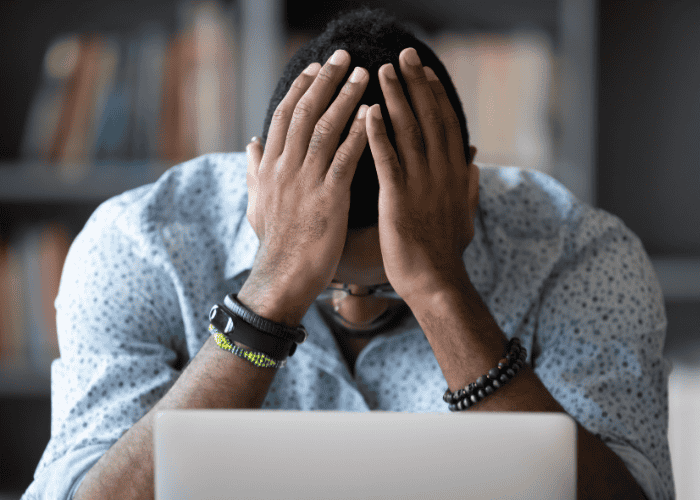
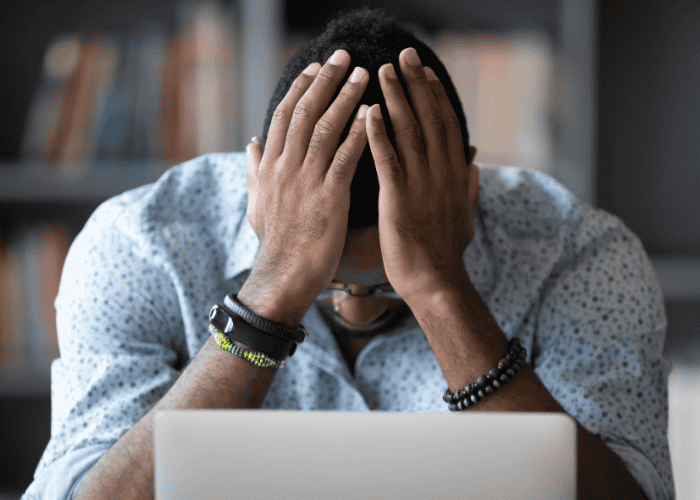
When we think of stress, we often associate it with major life events. But stress can be about all the little things, too. A traffic jam, an inbox full of messages from work you can’t seem to clear, a messy bedroom, a restless night. Simply put, stress can appear in mundane, everyday occurrences. And it can be especially hard to cope with when all the little things pile up, and the to-do list gets so bad it almost has chapters.
Fortunately, for those of us who feel quickly overwhelmed by life’s pressures, there’s a lot of useful research that can help us better manage stress and improve emotional resilience. We’ll unpack it by discussing the science behind stress, how it affects mental health, and importantly, what to do about it. After all, stress isn’t only about what happens to you. It’s also about how your daily habits shape your ability to handle it.
What Stress Really Is
Stress is the body’s natural response to challenges or threats. When the stress response is triggered, the body goes into high alert. This means that our nervous system activates, cortisol (sometimes referred to as the “stress hormone”) is released, heart rate increases, and we become primed to react quickly.1
You can imagine how useful this response was for our ancient ancestors when avoiding predators and similar threats. But nowadays, it can be more of a hindrance. Sure, the stress response is vital in life-or-death scenarios. Yet a racing heart and a ramped-up nervous system can be the last thing you need before an important interview or presentation, for example.
In short bursts, the stress response can prove helpful. It sharpens focus and prepares you to act. But what about when this response becomes constantly activated day to day? Chronic stress means that the stress response stops being protective and starts becoming draining.2
Allostatic Load: When Stress Adds Up
“Allostatic load” is the scientific term used to describe what happens to the body and brain after repeated stress activation.2 While stressful events fire up the nervous system, if we find ourselves getting frequently amped up often through the day, then it’s likely that we’ll start to experience physical and emotional symptoms. For instance, we might start to lose sleep and feel increasingly irritated by minor inconveniences.
This can create a “wear and tear” situation. Lots of little stressors add up, and we find ourselves less equipped to manage them as we’re restless, emotionally drained, and quicker to overwhelm.
Over time, this can spell low mood and energy, poor focus, and lower sleep quality. So, there’s a clear link between everyday stress and mental health – even if an isolated stressful event doesn’t feel overwhelming at the time.
How Stress Affects Mental Health
It’s worth noting that prolonged exposure to stress hormones like cortisol can actually alter how the brain perceives threats and processes emotions.3
Common symptoms that follow chronic stress include:
- Irritability or becoming overwhelmed more easily
- Low motivation
- Difficulty focusing
- Poor sleep
- Increased anxiety even without the presence of an immediate threat
Over time, these symptoms increase the likelihood of anxiety disorders and depression.4 As early intervention matters, it’s important to be able to pinpoint the impact of anxiety on different functions. For this reason, we take a closer look at the effects of stress on mood, sleep, and focus in more detail in the following sections.
The Impact of Stress on Mood
When cortisol, the stress hormone, is raised in the body for so long, it gets harder to emotionally regulate. This means mood swings and emotional reactivity are more likely. 3 For instance, you might notice yourself or someone you care about ruminating more – spending longer “in their head.” So they might become quieter and more disengaged as they think things over and over. More time spent in this state typically isn’t helpful and is a sign of a strained nervous system, rather than a personality change.
The Impact of Stress on Sleep
Maybe you’ve been there: tossing and turning all night because your mind feels too alert to switch off. As a result, you might feel more easily irritated with problems that arise, you become less social, and live more in your head than usual. And the longer it goes on, the harder it is to snap back into the pleasant, productive version of yourself.
If this is the case for you, fortunately, you’re not on your own. The link between sleep and stress is powerful and backed by research. This is because the stress response makes it harder to fall asleep and stay asleep.5
Additionally, poor sleep then feeds right back into stress, so emotional regulation weakens, and anxiety increases. This means stress feels harder to manage, and it reinforces a cycle that’s hard to break without management strategies.
The Impact of Stress on Focus
Short-term stress can sharpen attention. Chronic stress, on the other hand, can be distracting as it makes us more ruminative, less focused on the task at hand, and can even impair memory.3
For example, you might be familiar with the “brain fog” feeling – when you’re noticeably mentally slower to react and process things properly. It’s not just a feeling; it’s a known indicator of stress on the brain’s attention systems.
How Everyday Choices Impact Mental Health
When stress levels rise, it’s not uncommon for people to fall into coping habits that don’t actually help, but rather intensify stress over time. For instance, when stressed, you might:
- Sleep less
- Skip meals
- Rely heavily on caffeine
- Drink more alcohol
- Exercise less
- Withdraw socially
It’s understandable that someone dealing with chronic stress may lose motivation and seek convenient “feel-good” ways to cope. However, long-term, these lifestyle choices can create health issues and potentially addictive behaviors. In turn, these habits can reinforce a vicious cycle where the consequences of the habits create further stress, feeding back into poor coping choices.
All in, studies confirm that this cycle worsens physiological stress load.⁶ Simply put, the more stressed you are, the harder it becomes to engage in healthy, more long-term, disciplined behaviors that protect mental health.
By now, you’re probably wondering how to manage stress in a healthy way. Next, we get to the different strategies for promoting well-being through everyday stress-busting choices.
Daily Stress Management Techniques
Everyone is unique, with different stressors and lifestyles. So, while some strategies for how to manage stress daily might work well for some, they might not fit into the lifestyles of others.
The key is to experiment – find something that works for you and the best ways to build it into your daily routine. With this being said, the following are some effective, evidence-based daily habits for stress relief.
Exercise and Stress Management
If you’ve ever been to the gym for a workout session or even just gone for a light jog, you’ll likely be familiar with the positive feeling that comes with it. The load on your mind feels lighter, and you’re more motivated to tackle life’s everyday problems. This is because physical activity helps regulate stress hormones, improve mood, and support emotional resilience.7
The good news is that it’s not all about lifting heavy weights and running marathons. Significant changes happen in the small things – even a daily walk at lunch time. It all counts, and consistency is key.
Nutrition and Mental Wellbeing
What we eat and drink matters for our emotional well-being and how we perform during the day. We all have moments towards the end of the day when we’re hungry, thinking about dinner, and any problems that come our way seem to be way more irritating than normal. This helps illustrate the link between nutrition and stress.
Research confirms that regular meals and hydration, adequate protein, fiber, and healthy fats are all associated with greater mood stability and mental well-being.8 So, incorporating foods rich in these nutrients into our daily diets can help combat stress and anxiety.
Maintaining Regular Sleep Patterns
Feeling well-rested is one of the key steps to better mental health. Studies show that poor sleep is often linked with anxiety, depression, and emotional instability.5 So, naturally, protecting sleep is one of the most effective habit changes for improving the effects of stress on wellbeing.
Here are some helpful strategies to promote better sleep:
- Create consistent sleep and wake times
- Reduce screen use before bed
- Limit caffeine consumption late in the day (even opting for de-caf when you can)
- Creating a calm, comfortable sleeping environment
Mindfulness and Mental Health
Mindfulness describes the practice of observing your own thoughts and emotions calmly, without judgment, and without reacting immediately, as we so often do in life. Reflecting on our own thoughts allows us to notice patterns in our mood and identify triggers that cause undesired stress or rumination.
Mindfulness doesn’t have to be complicated either. The practice can be as simple as a few slow, controlled breaths and taking small moments to pay attention to yourself and your surroundings. It’s about finding moments of controlled calm to think things through in a controlled, safe space.
What’s more, mindfulness is research-backed. Mindfulness practices are shown to reduce perceived stress, improve emotional regulation, and decrease rumination. 9
Social Connection as Stress Protection
Sometimes when everything feels like it’s getting on top of you, it’s natural not to feel at your best. So, it can be hard to summon the energy to be the happy, jovial version of you that you want to bring to parties and gatherings. Instead, sitting in and hiding away might seem to be the better option.
While withdrawal might feel like the right option, it’s important to remember that connection with others is a known factor in reducing the body’s stress response and increasing emotional resilience.10
The good news is that connection doesn’t require large social circles. It can be something as small as:
- A regular check-in with a friend
- Talking openly with someone you trust
- Professional support through therapy
Mission Connection: Support That Lightens the Load

Living with chronic stress can be very challenging. If you notice persistent low mood, panic symptoms, or sleep disruption when it comes to you or someone you love, the experienced team at Mission Connection is ready to help.
Our team offers comprehensive medication monitoring alongside various treatments and therapies for stress management and recovery. Additionally, combining medication (when appropriate) with therapy options, holistic approaches, and lifestyle changes can increase its benefits and improve your outcomes.
The team at Mission Connection also provides online telehealth services to accommodate your schedule. This flexibility allows you to receive care that fits seamlessly into your daily routine.
If you’re ready to explore our treatment options or have questions about medication, contact us today or complete our confidential contact form for more information.
References
- McEwen, B. S. (2007). Physiology and neurobiology of stress and adaptation: Central role of the brain. Physiological Reviews, 87(3), 873–904. https://doi.org/10.1152/physrev.00041.2006
- McEwen, B. S., & Wingfield, J. C. (2010). What is in a name? Integrating homeostasis, allostasis and stress. Hormones and Behavior, 57(2), 105–111. https://doi.org/10.1016/j.yhbeh.2009.09.011
- Lupien, S. J., McEwen, B. S., Gunnar, M. R., & Heim, C. (2009). Effects of stress throughout the lifespan on the brain, behavior and cognition. Nature Reviews Neuroscience, 10(6), 434–445. https://doi.org/10.1038/nrn2639
- World Health Organization. (2022). World mental health report: Transforming mental health for all. https://www.who.int/publications/i/item/9789240049338
- Centers for Disease Control and Prevention. (2022). Sleep and mental health. https://www.cdc.gov/sleep/about_sleep/sleep_hygiene.html
- National Institute on Alcohol Abuse and Alcoholism. (2022). Alcohol and stress. https://www.niaaa.nih.gov/publications/brochures-and-fact-sheets/alcohol-and-stress
- Schuch, F. B., Vancampfort, D., Richards, J., Rosenbaum, S., Ward, P. B., & Stubbs, B. (2016). Exercise as a treatment for depression: A meta-analysis adjusting for publication bias. Journal of Psychiatric Research, 77, 42–51. https://doi.org/10.1016/j.jpsychires.2016.02.023
- Jacka, F. N., O’Neil, A., Opie, R., Itsiopoulos, C., Cotton, S., Mohebbi, M., … Berk, M. (2017). A randomised controlled trial of dietary improvement for adults with major depression (the “SMILES” trial). BMC Medicine, 15, 23. https://doi.org/10.1186/s12916-017-0791-y
- Goyal, M., Singh, S., Sibinga, E. M. S., Gould, N. F., Rowland-Seymour, A., Sharma, R., & Haythornthwaite, J. A. (2014). Meditation programs for psychological stress and well-being: A systematic review and meta-analysis. JAMA Internal Medicine, 174(3), 357–368. https://doi.org/10.1001/jamainternmed.2013.13018
- Holt-Lunstad, J., Smith, T. B., & Layton, J. B. (2010). Social relationships and mortality risk: A meta-analytic review. PLoS Medicine, 7(7), e1000316.https://doi.org/10.1371/journal.pmed.1000316