

Why We Get Angry at Work: Understanding Workplace Triggers
Workplace anger rarely appears without cause. Recognizing what sparks your anger is key to managing it effectively. Modern work environments are full of friction points that can trigger our emotional “alarm system,” often before we’ve had a chance to process the situation. Think of anger as a smoke alarm—it signals a problem but doesn’t solve it. The goal is to notice the alarm without letting it disrupt your workday or reputation.
Common Workplace Anger Triggers
Triggers vary, but certain situations consistently provoke strong reactions: being overlooked for promotion, receiving criticism (especially in public), facing perceived injustice, or dealing with unrealistic deadlines. Interpersonal conflicts, particularly with managers or difficult colleagues, rank among the strongest triggers. Even minor irritations, like tech failures or communication breakdowns, can accumulate and eventually overflow.
How Workplace Anger Affects Your Health
Chronic anger harms both body and mind. Anger releases stress hormones like cortisol and adrenaline, raising blood pressure and heart rate. Frequent episodes can contribute to hypertension, digestive issues, weakened immunity, and a higher risk of cardiovascular disease. Emotional distress often shows physically; tension headaches, jaw clenching, or stomach problems are common. Long-term, chronic anger also fuels inflammation linked to heart disease, diabetes, and certain cancers, while increasing anxiety, depression, and sleep problems.
The Career Impact of Unmanaged Anger
Even private anger can undermine career growth. Colleagues may avoid collaboration, and managers may question leadership potential if emotional control seems inconsistent. Anger also impairs decision-making, leading to choices you might later regret. Visible anger, through outbursts, passive-aggressive behavior, or subtle cues, can damage your professional reputation, which in today’s digital world is easily documented and long remembered.
5 Immediate Strategies to Control Anger in the Moment
When anger strikes at work, having ready-to-use strategies can prevent an emotional reaction from harming your career. These techniques aren’t about suppressing feelings but creating space between the trigger and your response. With practice, they become automatic, helping you stay composed in challenging situations.
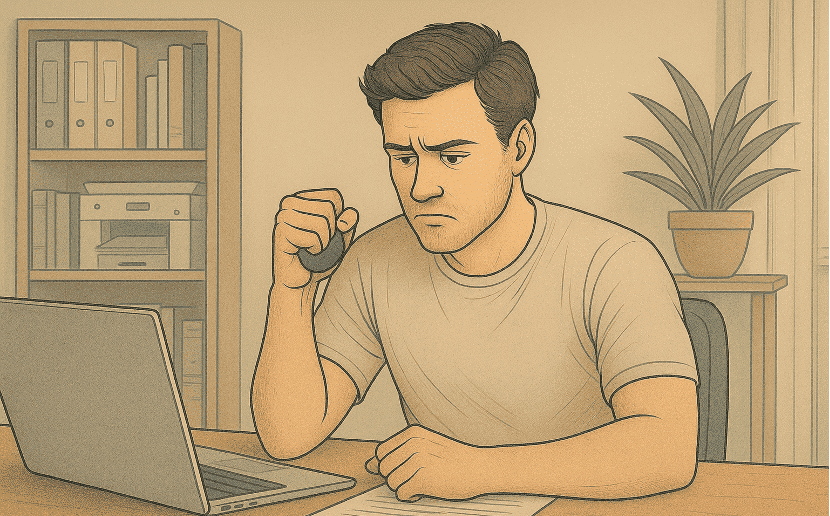
1. The 5-5-5 Breathing Technique
Inhale through your nose for five seconds, hold for five, then exhale for five, focusing on releasing tension. This activates your parasympathetic nervous system and gives your rational brain a chance to regain control. Repeat three times, ideally away from the trigger.
2. Physical Removal: The 15-Minute Walk
Excuse yourself for a brief walk to shift your emotional state. Walking stimulates bilateral brain activity and provides psychological distance, helping you process emotions more effectively. If leaving isn’t possible, create mental distance by changing your position or focusing on a neutral object.
3. Silent Counting to Reset Your Mind
Engage your analytical brain by counting backward from 100 by sevens (100, 93, 86…). This focuses attention on a challenging task, restoring blood flow to your prefrontal cortex and allowing logical thinking to override immediate anger, perfect for discreet use during meetings.
4. Muscle Relaxation Exercises at Your Desk
Break the tension-anger loop by tensing and releasing major muscle groups—hands, shoulders, jaw, abdomen, legs. Physical relaxation signals your nervous system to calm down, reducing emotional intensity.
5. Cognitive Reframing: The “So What” Test
Counter catastrophizing by asking: “One year from now, will this matter?” or “So what if this happens?” This perspective shift helps you assess the real significance of triggers. For recurring situations, have pre-prepared reframing statements ready, such as “This reflects their style, not my worth.”
Long-Term Anger Management Tools for Work
Immediate techniques manage anger in the moment, but long-term strategies address the patterns that make you vulnerable in the first place. Consistent practice improves emotional intelligence and strengthens career resilience.
Build Your Personal Anger Response Plan
Start with self-awareness. Create a written plan outlining your triggers, physical warning signs, and preferred coping techniques. Include a graduated response system for mild versus intense anger, and identify safe spaces or activities to reset emotionally. Review and update your plan after difficult incidents, noting which strategies work best. Incorporate preventative measures like stress reduction, good sleep, and clear communication boundaries, many anger episodes arise when stressors compound.
Communicate Frustration Professionally
Express concerns without attacking others using “I-messages”: “I feel [emotion] when [situation] because [reason]. What I need is [request].” This keeps discussions focused on behaviors, not character. Schedule tough conversations for calm moments rather than reacting in the heat of the moment.
Set Boundaries with Difficult Colleagues
Prevent resentment by addressing recurring behaviors professionally. Use clear, polite statements, e.g., “I’d like to finish my thought before moving on.” Document patterns if needed, focusing on actions rather than personality.
Use Workplace Allies
Identify calm, supportive colleagues to provide perspective, buffer tense moments, or mediate conflicts. Peer support programs or mentoring relationships can also offer guidance while enhancing professional growth.
How to Talk to Your Boss About Anger Management
Discussing anger management with leadership requires careful framing. Choose a private, calm moment and present the conversation as professional development rather than a personal problem.
Frame the Conversation Positively
Acknowledge past incidents briefly, then focus on proactive steps: “I’m working with a coach to manage high-pressure deadlines more effectively and wanted to keep you informed about this professional development.” Use terms like “emotional intelligence development,” “communication skills enhancement,” or “stress resilience training” to position anger management as a strength-building initiative. Highlight how improved emotional management benefits your role, team, and organizational priorities.
Request Workplace Accommodations if Needed
If clinical treatment is necessary, temporary accommodations can support your progress. Examples include a quieter workspace, scheduled breaks during intense periods, or modified duties while developing coping skills. You might also request structured feedback methods, such as written feedback first or a third party present during challenging discussions. Frame these as supports to enhance performance, not permanent role changes.
Know Your Legal Protections
In many regions, clinically diagnosed conditions (e.g., Intermittent Explosive Disorder, PTSD) may qualify for legal protections under disability laws. Understand relevant legislation, document all communications, and consult HR or legal counsel if needed. Disclosure is typically required for accommodations but doesn’t need to extend to colleagues.
When to Seek Professional Help
While self-management techniques help many, certain anger patterns require professional intervention. Seeking help is a strategic choice for both career and health, often benefiting personal relationships and overall well-being.
Warning Signs Your Anger Needs Clinical Attention
Recognize when workplace frustration becomes problematic. Signs include physical aggression (throwing objects), frequent verbal outbursts you later regret, or persistent thoughts of revenge. If anger disrupts your work performance or causes significant distress, consult a professional.
Pay attention to feedback from trusted colleagues or family—others often notice patterns before we do. Multiple concerns about your reactions are valuable signals, not oversensitivity on their part.
Therapy Options for Workplace Anger
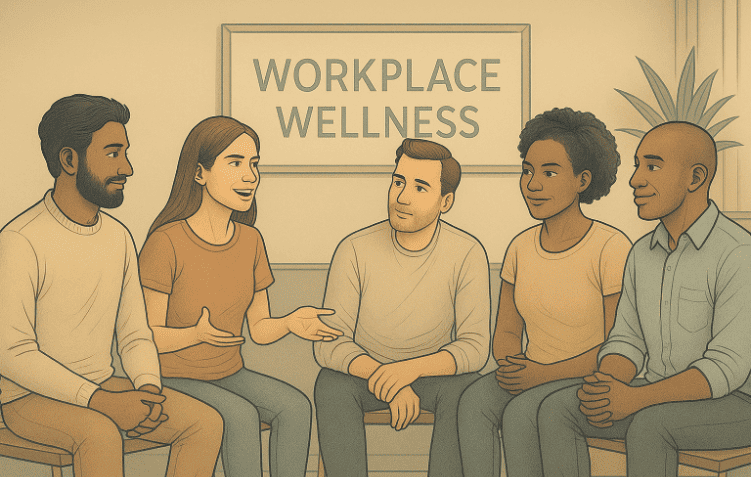
Cognitive Behavioral Therapy (CBT) is highly effective, helping you identify and adjust thought patterns that trigger anger. Dialectical Behavior Therapy (DBT) offers skills for emotional regulation and distress tolerance, directly applicable to professional settings.
Digital therapy platforms provide flexible, private anger management programs, while group therapy offers both clinical benefits and reassurance that others face similar challenges.
What to Expect in Treatment
Anger management typically starts with a comprehensive assessment of triggers, expression patterns, and underlying conditions. Treatment often combines cognitive restructuring, physiological regulation, behavioral skills, and communication training. Most programs run 8–12 weeks, though many notice improvements within the first month.
Success doesn’t mean never feeling angry—it means responding proportionally to workplace frustrations. Common outcomes include shorter, less intense anger episodes, stronger professional relationships, and greater job satisfaction.
Creating a Calmer Work Environment
Your physical and digital surroundings influence your emotional baseline throughout the workday. Small, strategic changes can prevent minor irritations from escalating into significant anger episodes. Consider these modifications as preventative maintenance for your emotional wellbeing, addressing your workspace and communication channels, processes, and interactions with colleagues.
Physical Workspace Adjustments
Organize your workspace to reduce distractions and increase control. Noise-cancelling headphones, desk positioning to avoid visual disruptions, and ergonomic setups (chair height, monitor placement, keyboard position) can lower stress and physical strain. Incorporate natural elements like small plants or nature images to boost mood. Identify a “reset space”, a quiet corner, an outdoor bench, or even your car, where you can step away for 5–10 minutes when anger starts to build.
Time Management to Reduce Frustration
Anger often stems from feeling rushed or overwhelmed. Use time-blocking to schedule focused work, meetings, and breaks, and build buffers between tasks to allow emotional resets. Planning your day thoughtfully reduces cognitive load and helps maintain composure during high-pressure periods.
Digital Tools for Mood Tracking and Intervention
Keep track of your emotional patterns to identify triggers and connections between physical states and workplace situations. Practice short, focused mindfulness or relaxation exercises during moments of rising anger. Even brief interventions, like deep breathing, mental pauses, or visualization, can help prevent escalation and restore calm.
Strengthen Workplace Emotional Resilience with Mission Connection

At Mission Connection, we provide comprehensive outpatient mental health care designed to fit seamlessly into your life. Our programs support adults and young adults managing anxiety, depression, trauma, bipolar disorder, and other primary mental health challenges.
Flexible Care That Fits Your Schedule
We understand that everyone’s life is different, which is why we offer care in-person, virtually, or through a hybrid model. This flexibility ensures that you can access our services wherever and whenever you need them, without disrupting your daily routine.
Comprehensive, Evidence-Based Therapy
Our team delivers individual therapy, group sessions, and experiential programs specific to your needs. We use evidence-based approaches such as CBT, DBT, EMDR, and mindfulness techniques, helping you develop skills that promote emotional regulation, resilience, and long-term wellbeing.
Personalized Treatment Plans
We work closely with you to create a person-centered plan that addresses your unique challenges and goals. Our multidisciplinary team also provides psychiatric services, medication management, and life-skills support, ensuring you have the tools to manage stress, anger, and workplace pressures effectively.
A Focus on Lasting Healing
At Mission Connection, our goal is to empower you with strategies that support long-term mental wellness. Over 95% of our clients report feeling glad they entered care, reflecting our commitment to quality, accredited, and compassionate support.
Getting Started with Us
Connecting with us is simple. Speak with a specialist, complete a short assessment, and together we’ll design a treatment plan that works for your lifestyle. Whether in-person or online, we are here to help you go through life’s challenges with confidence.
Frequently Asked Questions (FAQs)
Can workplace anger be considered a disability?
Anger alone isn’t a disability, but conditions like PTSD, Intermittent Explosive Disorder, or certain personality disorders may qualify for workplace accommodations and legal protections. Consult a healthcare provider for documentation to support any accommodation requests.
How do I know if my anger is normal or a serious problem?
Normal anger is proportional, brief, and doesn’t impair function. Serious anger involves intense physical reactions, persistent irritation, frequent regrettable behavior, or impacts work and relationships. Self-assessment and professional support are recommended if patterns persist.
Can I get fired for having anger issues at work?
Employees may face consequences if anger leads to policy violations, hostile behavior, or impaired performance. Proactively managing anger, documenting efforts, and, if appropriate, informing HR about emotional management strategies can provide context and protection.
What’s the difference between anger management and stress management?
Stress management reduces overall strain through self-care, boundaries, and prioritization to prevent burnout. Anger management targets emotional responses, communication, and de-escalation, focusing on interpersonal triggers. Combining both approaches helps maintain composure and healthy workplace interactions.
When should I seek professional help for anger?
A: Seek professional help if anger leads to repeated outbursts, persistent distress, or affects work performance. Programs like Mission Connection offer coaching and structured strategies to manage anger, improve relationships, and support overall wellbeing.