
Key Takeaways
- Chronic anger differs from typical anger responses, persisting for extended periods and potentially causing significant health complications like heart disease and weakened immunity.
- The most common causes of chronic anger include unresolved trauma, difficult childhood experiences, genetic predisposition, and underlying mental health conditions that increase emotional reactivity.
- Warning signs of chronic anger can appear physically, emotionally, and behaviorally through muscle tension, resentment, verbal aggression, social withdrawal, and difficulty controlling reactions.
- Effective coping strategies include identifying triggers, keeping an anger journal, practicing breathing and grounding exercises, and using evidence-based therapies to address the root causes of anger.
- At Mission Connection Healthcare, we offer specialized therapy approaches including CBT, DBT, trauma-focused treatments, and medication considerations when appropriate that can help restructure negative thought patterns driving chronic anger.
How to Deal with Chronic Anger?
Managing chronic anger means identifying your triggers, calming your body in the moment with breathing and grounding, and receiving professional and social support. Unlike a bad mood that fades within minutes, chronic anger can simmer for weeks and reshape how your body handles stress.
For people struggling with ongoing irritability, resentment, or frequent outbursts, professional treatment can provide the structure and tools needed for lasting improvement. Mission Connection Healthcare offers evidence-based outpatient care in various formats that help individuals understand the factors driving chronic anger and develop healthier ways to respond to stress and frustration.
What Causes Chronic Anger?

Childhood Experiences
Growing up in environments where anger was the predominant emotional expression or where needs went consistently unmet can establish anger as a default response pattern.
Similarly, children who weren’t allowed to express anger in healthy ways often struggle with appropriate anger expression as adults.
Trauma Response
Trauma creates profound changes in how the brain processes perceived threats. For many trauma survivors, anger serves as a protective mechanism, keeping potential threats at bay and creating a sense of control in an unpredictable world.
What others might perceive as “anger issues” may actually represent trauma responses designed to protect against further harm.
Genetic Factors
Emerging research suggests that genetic predisposition may play a role in how easily and intensely we experience anger. Some individuals appear biologically wired for greater emotional reactivity, with variations in neurotransmitter regulation and nervous system sensitivity.
These biological factors need to be considered when developing comprehensive treatment plans, recognizing that effective management may require addressing both psychological patterns and physiological tendencies.
Underlying Mental Health Issues
Chronic anger frequently accompanies other mental health conditions, sometimes serving as a symptom rather than the core issue. Depression, anxiety disorders, PTSD, ADHD, and bipolar disorder can all manifest with increased irritability and anger.
Understanding the relationship between an anger disorder and other mental health conditions allows for more effective, targeted interventions.
What Chronic Anger Symptoms Should You Watch Out For?
Physical Symptoms
Common physical manifestations of chronic anger include:
- Persistent muscle tension, especially in the jaw, neck, and shoulders
- Headaches that seem to have no other cause
- Digestive disturbances including acid reflux and stomach pain
- Elevated blood pressure
- Disrupted sleep patterns

Emotional Symptoms
Emotionally, chronic anger often presents as a persistently short fuse, where minor irritations trigger disproportionate responses. Individuals may experience a pervasive sense of resentment, feeling that the world is against them or that others consistently let them down.
Another common emotional pattern involves cycling between explosive anger and intense guilt or shame about these outbursts. This cycle can become self-perpetuating, as shame about anger expressions may actually increase underlying tension and trigger subsequent episodes.
Behavioral Symptoms
Behaviorally, chronic anger often manifests through verbal aggression, including yelling, harsh criticism, or passive-aggressive communication.
Some individuals engage in physical expressions like slamming doors, throwing objects, or aggressive driving. Social withdrawal frequently occurs as relationships become strained and individuals attempt to avoid triggering situations.
Identify Your Triggers
Common External Triggers
External triggers might include:
- Specific relationship dynamics, such as feeling disrespected or unheard
- Environmental factors like noise, crowding, or disorder
- Work-related stressors including deadlines, criticism, or perceived unfairness
- Practical frustrations like traffic delays or technology malfunctions
Conduct a detailed analysis of your anger episodes to identify these external patterns, which create opportunities for proactive management strategies.
Internal Thought Patterns
Cognitive triggers include patterns like catastrophizing (“This always happens to me”), mind-reading (“They’re deliberately trying to upset me”), rigid expectations (“Things should work properly”), and personalization (“This is happening because of me”).
These thought patterns transform momentary frustrations into sustained anger states, often operating below conscious awareness until brought into focus through therapeutic work.
Keeping An Anger Journal
This structured practice involves recording anger episodes, noting their intensity, duration, triggers, thoughts, and the resulting behaviors. Over time, patterns emerge that might not be obvious at the moment.
We recommend you track these episodes daily, including even minor irritations, as these often reveal important patterns that provide insights for intervention.

Immediate Calming Techniques for Chronic Anger
Deep Breathing
Deep, controlled breathing is one of the most accessible anger management tools available. By activating the parasympathetic nervous system, it counteracts the fight-or-flight response that fuels anger.
The effect is physiological, not just distraction, so practiced regularly these techniques change how your body handles stress hormones and build calmer responses to triggers.
Progressive Muscle Relaxation
This technique works by tensing and then releasing each muscle group in turn, usually from your feet up to your face. Anger lives in the body as a clenched jaw, tight shoulders, and balled fists, so loosening those areas signals that the threat has passed.
Tense one group for about five seconds, release fully, and notice the tension drain away as you move through your whole body.
The 5-4-3-2-1 Grounding Technique
This method pulls your attention out of an anger spiral by walking through your senses: five things you can see, four you can hear, three you can touch, two you can smell, and one you can taste.
Anchoring yourself in concrete details interrupts the racing thoughts, buying a few seconds to respond on purpose instead of reacting on impulse.
Long-Term Coping Strategies for Chronic Anger
Therapy Approaches
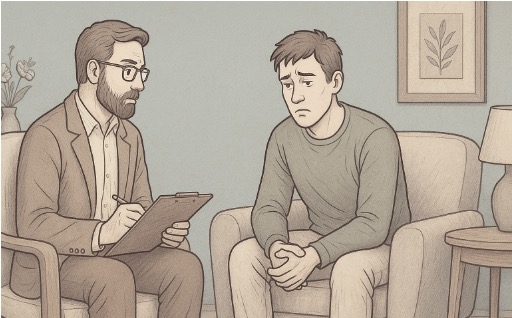
Several evidence-based therapies address chronic anger. Cognitive Behavioral Therapy (CBT) is one of the most effective, helping you identify and restructure the negative thought patterns that fuel anger so you can challenge catastrophic thinking and build balanced perspectives.
Dialectical Behavior Therapy (DBT) teaches emotion regulation and distress tolerance, which helps most for those with intense emotional reactions.
Support Groups
Many people find real value in anger management support groups, where shared experiences normalize struggles and offer accountability, perspective, and practical strategies. They also ease the isolation that often comes with chronic anger. Knowing you are not alone reduces shame and builds motivation for change.
Medication Considerations
While there is no specific “anger medication,” certain prescribed treatments can ease symptoms that contribute to chronic anger. For people with underlying anxiety, depression, or mood disorders, the right medication can reduce emotional volatility and create space for therapeutic work.
Selective serotonin reuptake inhibitors (SSRIs) sometimes lower irritability and reactivity, while mood stabilizers may help with more severe dysregulation. These must be prescribed and monitored by a psychiatrist who adjusts the dosage and weighs benefits against side effects. Never start, stop, or change a medication on your own.
Learn Healthier Ways to Manage Anger with Mission Connection

Chronic anger rarely resolves on its own, but it responds well to the right approach. Identifying your triggers, calming your body in the moment, and addressing the main issue through therapy can shift anger from something that controls you into something you understand and manage with growing confidence over time.
At Mission Connection Healthcare, we treat chronic anger with evidence-based care including CBT, DBT, trauma-focused therapy, and psychiatric support when it helps. Our outpatient and telehealth programs fit around your life, so you can do meaningful work on your anger without putting everything else on hold.
Frequently Asked Questions (FAQs)
Can chronic anger cause physical health problems?
Chronic anger significantly impacts physical health through multiple biological pathways. The stress hormones released during frequent anger episodes particularly cortisol, adrenaline, and noradrenaline, take a cumulative toll on bodily systems when chronically elevated.
These hormones increase inflammation, raise blood pressure, accelerate heart rate, and suppress immune function. Over time, these physiological changes increase risk for serious health complications and may exacerbate existing conditions.
How long does it take for anger management to work?
The timeline for seeing results from anger management therapy varies considerably based on factors like the severity and duration of anger issues, underlying causes, consistent application of techniques, and individual temperament.
Many individuals notice some improvement within the first few weeks simply from increased awareness and basic technique implementation.
Can meditation help with chronic anger?
Research consistently demonstrates meditation’s effectiveness for managing chronic anger when practiced regularly. Meditation creates measurable changes in brain regions associated with emotional regulation, particularly the amygdala (which processes threat responses) and the prefrontal cortex (responsible for judgment and impulse control).
Regular practice strengthens the neural connections that allow for pause between trigger and response, creating the space needed for choosing different reactions.
Should I avoid my anger triggers completely?
While temporary avoidance of triggers can provide immediate relief during early stages of anger management, complete avoidance is not a sustainable long-term strategy.
We generally recommend a balanced approach that combines strategic avoidance of unnecessary triggers with gradual exposure to unavoidable ones. This approach allows you to build skills in controlled circumstances before facing more challenging situations.
How does Mission Connection’s approach to chronic anger treatment differ from other providers?
Mission Connection Healthcare offers comprehensive, individualized treatment that addresses both symptoms and underlying causes of chronic anger.
Our multi-modal approach combines evidence-based therapies including CBT and DBT, trauma-focused treatments when needed, medication considerations through psychiatric consultation, and specialized anger management groups.
We conduct thorough assessments to identify root causes and develop personalized treatment plans.


