


Why Recognizing Suicidal Thoughts in Friends Matters
Friends often notice changes in behavior and mood before family members or professionals, making them crucial early warning systems for mental health crises. Your concern and willingness to have difficult conversations can interrupt the isolation and hopelessness that fuel suicidal thoughts.
Many people experiencing suicidal ideation feel like burdens to others and believe no one would notice or care if they were gone. When friends reach out with genuine concern, it provides powerful evidence that they matter and are valued, often creating enough connection to motivate seeking professional help.
Understanding these warning signs empowers you to take action before situations become critical, potentially saving lives through early intervention and professional support.
5 Warning Signs of Suicidal Thoughts in Friends
1. Talking About Death or Wanting to Die
Direct statements about wanting to die are obvious warning signs, but suicidal ideation often emerges through indirect comments that are easy to dismiss or misinterpret.
Listen for phrases like “everyone would be better off without me,” “I wish I could just disappear,” “nothing matters anymore,” or “I won’t be around much longer to worry about it.” These statements may be made casually during conversation, posted on social media, or mentioned during discussions about future plans.
Pay attention to sudden preoccupation with death-related topics, including frequent mentions of suicide in the news, discussions about methods of dying, or increased interest in death-themed music and media.
Some friends may express feeling trapped with no way out or describe unbearable emotional pain with no hope for relief. These expressions of hopelessness and despair require immediate attention and professional support.
2. Sudden Changes in Behavior or Mood
Dramatic shifts in personality, energy levels, or daily routines often signal internal emotional crises. A typically outgoing friend may become withdrawn, while someone usually reserved might suddenly become reckless or impulsive.
Be especially alert to sudden calmness or apparent improvement in someone who’s been deeply depressed, as this can sometimes indicate they’ve made a decision about ending their life.
Changes in sleep patterns, appetite, or personal hygiene may indicate depression or other mental health conditions that increase suicide risk. Friends may stop engaging in previously enjoyed activities, neglect responsibilities, or abandon hobbies that once brought pleasure.
Look for increased agitation, restlessness, or inability to concentrate on conversations or activities reflecting internal turmoil and emotional pain.
3. Withdrawing from Activities and Relationships
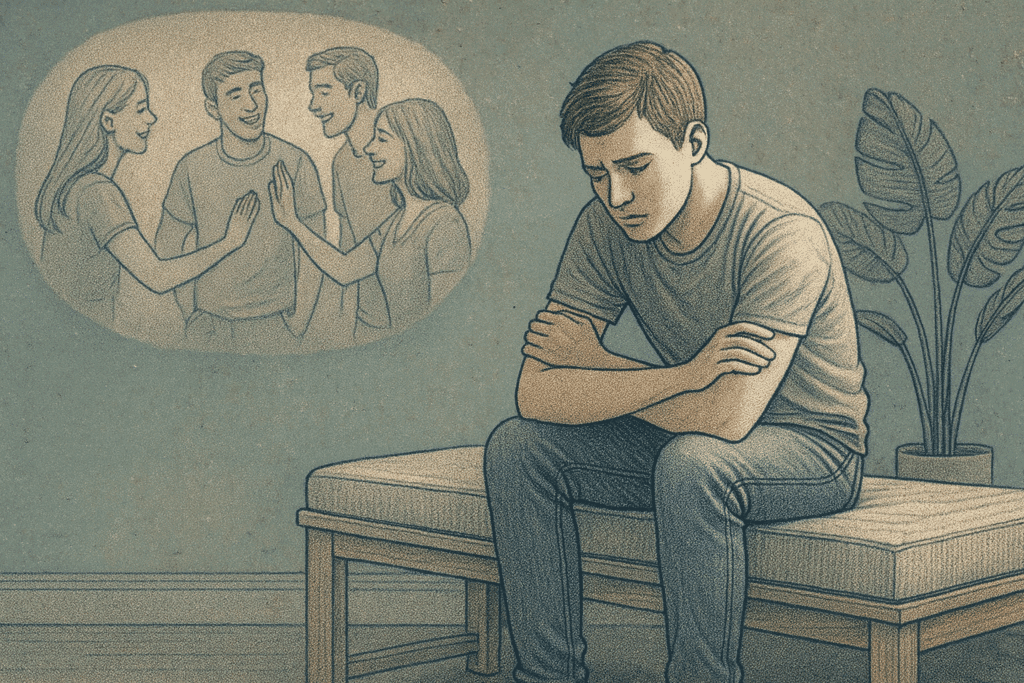
Social isolation is both a warning sign and risk factor for suicide. Friends experiencing suicidal thoughts often pull away from people and activities that typically provide support and meaning.
This withdrawal may be gradual, with friends declining invitations, canceling plans, or making excuses to avoid social gatherings. They might stop responding to texts or calls promptly, or responses may become unusually brief or distant.
Notice if friends stop participating in group activities, quit teams or clubs they were previously committed to, or express indifference toward events they would normally find exciting. They may avoid conversations about future plans or seem uninterested in making commitments beyond the immediate present.
Be particularly concerned if withdrawal is sudden and dramatic, especially following significant loss, rejection, or traumatic events.
4. Giving Away Personal Belongings
When planning to end their lives, people often begin giving away meaningful possessions, particularly items with sentimental value or things they know others would appreciate.
This might include offering prized collections, expensive items, or things with deep personal significance without clear explanation. Friends might say they’re “cleaning out” or “don’t need these things anymore” when giving away previously treasured belongings.
Pay attention to unusual financial decisions, such as paying off debts quickly, giving away large sums of money, or updating wills or insurance beneficiaries. These behaviors may indicate they’re planning not to be around to handle these matters themselves.
5. Engaging in Risky or Self-Destructive Behaviors
Friends contemplating suicide may begin engaging in dangerous activities with apparent disregard for their safety or well-being. This might include reckless driving, unsafe intimate encounters, or putting themselves in physically dangerous situations.
They may also increase self-destructive behaviors like self-harm, not taking necessary medications, or deliberately engaging in activities they know will worsen their physical or mental health.
These behaviors often reflect emotional numbness, hopelessness, or internal pain that accompany suicidal ideation, as people may feel they have nothing left to lose.
How to Respond When You’re Concerned About a Friend
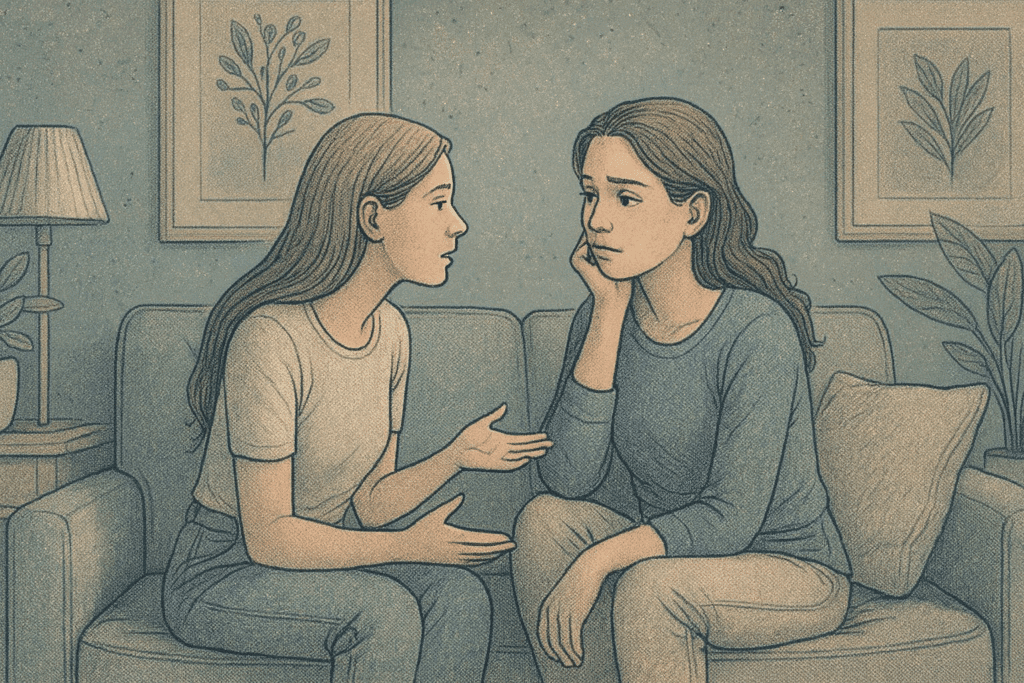
When you notice warning signs, approach your friend with direct, compassionate conversation rather than waiting or hoping someone else will intervene. Choose a private, comfortable setting where you can talk without interruptions.
Express specific concerns clearly: “I’ve noticed you seem really down lately and have mentioned feeling hopeless. I’m worried about you and want to make sure you’re getting support.”
Ask directly about suicidal thoughts: “Are you thinking about hurting yourself or ending your life?” This directness may feel uncomfortable, but it demonstrates that you’re taking their pain seriously and provides permission for honest conversation.
Listen without judgment, avoid trying to “fix” their problems immediately, and resist minimizing their pain with statements like “things aren’t that bad.” Instead, validate their feelings while emphasizing that professional help is available and effective.
Immediate Steps to Take If Someone Expresses Suicidal Thoughts
Never promise to keep suicidal thoughts secret. Instead, explain that you care too much about them to keep information that could save their life confidential.
Stay with your friend or ensure they’re not alone while connecting them with professional resources. Contact the 988 Suicide & Crisis Lifeline (call or text 988) for immediate support and guidance.
If your friend has a specific plan or means to harm themselves, or if they’re in immediate danger, call 911 or take them to the nearest emergency room. Don’t attempt to handle crisis situations alone; involve trained professionals.
Help your friend connect with ongoing professional support through therapists, counselors, or mental health programs. Offer to help them make appointments or research treatment options if they’re feeling overwhelmed.
Supporting a Friend Through Mental Health Treatment
Recovery from suicidal ideation requires professional support combined with ongoing friendship and encouragement. Continue checking in regularly, but avoid making your friend feel constantly monitored.
Encourage treatment compliance and celebrate small victories in their recovery process. Be patient with setbacks and understand that healing from mental health crises isn’t linear or predictable.
Learn about mental health conditions and treatment approaches so you can better understand what your friend is experiencing. However, maintain clear boundaries and avoid trying to become their therapist or primary support system.
Mission Connection Healthcare: Crisis Support and Ongoing Treatment

When friends are struggling with suicidal thoughts, they need immediate professional intervention followed by comprehensive treatment that addresses underlying mental health conditions. At Mission Connection Healthcare, we provide both crisis support and long-term treatment programs designed specifically for individuals experiencing suicidal ideation.
Our crisis intervention services ensure immediate safety while connecting individuals with appropriate ongoing care. We understand that suicidal thoughts often occur alongside depression, anxiety, trauma, and other mental health conditions requiring specialized treatment approaches.
Our individual therapy programs use evidence-based treatments including cognitive-behavioral therapy, dialectical behavior therapy (DBT), and trauma-focused approaches. We help individuals develop coping strategies, process underlying emotional pain, and build reasons for living and hope for the future.
We offer flexible scheduling with both in-person and telehealth options across California, Virginia, and Washington, making it easier for individuals to maintain consistent treatment even during difficult periods.
Frequently Asked Questions (FAQ)
What if my friend gets angry when I ask about suicidal thoughts?
Anger is a common response when people feel vulnerable. Don’t take it personally or back away from your concern. Acknowledge their feelings while maintaining that you care about their safety. Give them space to process, but continue checking in.
Should I tell other people about my friend’s suicidal thoughts?
Tell trusted adults, mental health professionals, or crisis hotline counselors, but avoid sharing as gossip. Focus on connecting your friend with professional resources rather than spreading information broadly among your social circle.
How do I know if someone is serious about suicide or just seeking attention?
All expressions of suicidal thoughts should be taken seriously, regardless of perceived intent. People who are “seeking attention” are often genuinely struggling and need support. Never dismiss their statements—always connect them with professional help.
What if my friend refuses to get professional help?
Continue being supportive while setting appropriate boundaries. Keep encouraging professional treatment and offer to help them connect with resources. If they’re in immediate danger, contact emergency services regardless of their preferences.
What mental health services does Mission Connection Healthcare provide for suicide prevention?
Mission Connection offers crisis intervention, individual and group therapy using evidence-based approaches like CBT and DBT, psychiatric services, and comprehensive treatment programs for depression, anxiety, and other conditions associated with suicidal ideation.