
8 Warning Signs You’re Bottling Up Anger
Anger is a normal, healthy emotion, but many of us have learned to push it down rather than express it. When anger gets trapped inside, it doesn’t simply disappear. Instead, it transforms, finding alternative pathways for expression through our bodies, emotions, and behaviors.
Repressed anger rarely announces itself clearly. Instead, it operates below the surface, manifesting through seemingly unrelated symptoms that can affect every aspect of your life. Recognizing these signs is the first step toward addressing the root cause rather than just treating the symptoms.
Physical Symptoms That Signal Hidden Rage
Your body often speaks the truth your conscious mind isn’t ready to acknowledge. Physical symptoms are typically the first warning signs of repressed anger, as emotional energy seeks release through physiological channels. When emotions aren’t properly processed, the body bears the burden through tension, pain, and disrupted functioning.
Emotional Red Flags of Suppressed Anger
Emotional symptoms of repressed anger can be particularly confusing because they often don’t feel like anger at all. Instead, you might experience persistent sadness, emotional numbness, or anxiety. These emotional states serve as protective mechanisms, keeping raw anger safely contained but creating other problems in the process.
Why Recognizing Repressed Anger Matters
Identifying repressed anger isn’t finding someone to blame or giving yourself permission to lash out. Rather, it’s understanding the complete spectrum of your emotional experience and developing healthier ways to process these natural feelings. Left unaddressed, chronic anger repression can contribute to serious health conditions, relationship difficulties, and diminished quality of life.
Physical Signs Your Body Is Holding Onto Anger
1. Tension Headaches and Jaw Pain
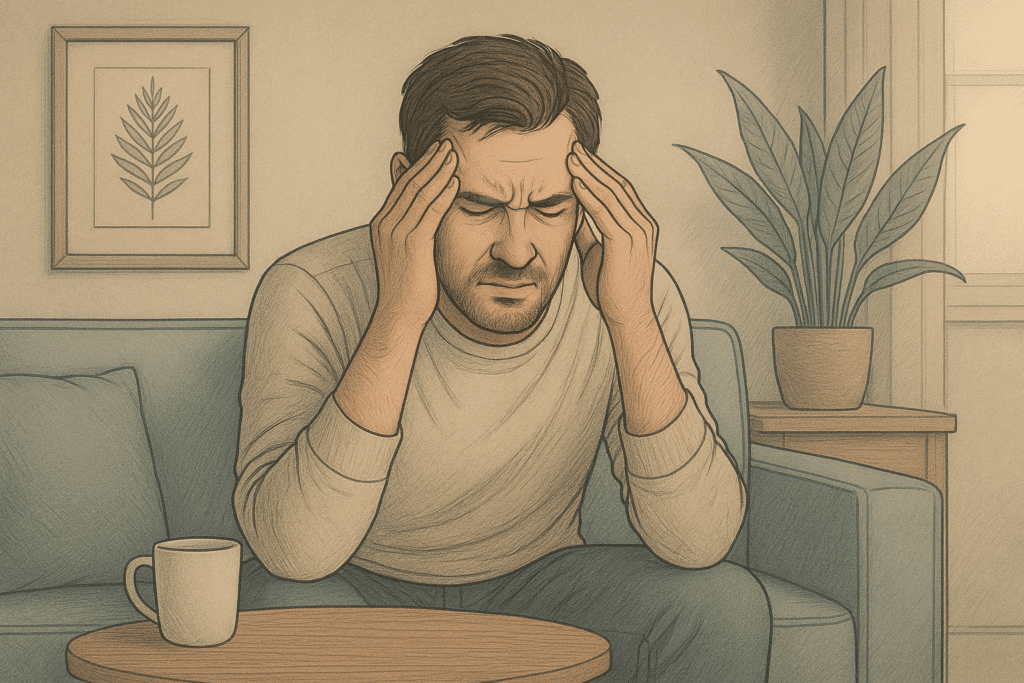
Tension headaches are among the most common physical manifestations of repressed anger, as emotional stress leads to contracted muscles in the head, neck, and jaw.
Many people unknowingly clench their jaw or grind their teeth when suppressing angry feelings, which can lead to temporomandibular joint (TMJ) disorders and chronic facial pain.
2. Digestive Problems and Stomach Discomfort
The gut–brain connection plays a crucial role in how we process emotions, particularly anger. When anger is suppressed, the digestive system often bears the brunt of this emotional burden.
Chronic digestive issues like irritable bowel syndrome (IBS), acid reflux, and persistent stomach pain frequently have emotional components that conventional medical treatments alone may not fully address.
3. Chronic Fatigue and Sleep Disturbances
Suppressing emotions requires significant psychological energy, often leading to profound exhaustion that sleep doesn’t seem to resolve. The vigilance required to keep anger contained depletes your mental and physical resources, contributing to a state of chronic fatigue.
Many people with repressed anger report feeling tired regardless of how much they sleep, as their bodies never fully relax into restorative rest.
4. Muscle Tension and Unexplained Pain
Chronic muscle tension represents one of the body’s primary responses to contain anger. When you repeatedly suppress the natural fight-or-flight response that anger triggers, your muscles remain in a state of readiness that becomes painful over time.
This tension typically concentrates in the neck, shoulders, and back, creating pain patterns that may seem mysterious or resistant to conventional treatment approaches.
Emotional Symptoms of Anger You’re Not Expressing
5. Persistent Irritability Over Small Things

You might find yourself snapping at loved ones over small mistakes or feeling disproportionately frustrated by everyday annoyances like traffic or waiting in line.
This chronic irritability serves as a pressure release valve for deeper anger that hasn’t found appropriate expression.
6. Feeling Numb or Emotionally Disconnected
Emotional numbness represents a common protective mechanism against overwhelming feelings, including anger. When anger feels too dangerous or overwhelming to experience directly, the psyche may respond by dampening all emotional responses.
This emotional flattening might manifest as difficulty feeling joy, connection, or even appropriate sadness in situations that would normally evoke these responses.
7. Recurring Depression and Low Mood
Depression often contains significant elements of anger turned inward, particularly when healthy expression of angry feelings has been discouraged or punished.
Rather than directing anger outward at its appropriate target, you might unconsciously redirect it toward yourself, creating patterns of self-criticism, hopelessness, and persistent low mood. This internalized anger depletes your emotional energy and diminishes your sense of personal agency.
8. Excessive Guilt and Self-Criticism
Guilt and harsh self-judgment frequently accompany repressed anger, especially when you’ve been taught that anger itself is wrong or unacceptable.
Instead of acknowledging legitimate angry feelings toward others, you might habitually blame yourself for relationship problems or find fault with your own responses to challenging situations. This pattern keeps the focus safely on your perceived shortcomings rather than addressing the actual source of your anger.
How to Release Anger in Healthy Ways
Recognize and Name Your Feelings
The journey toward healthier anger expression begins with increasing emotional awareness. Many people who habitually repress anger struggle to recognize this emotion when it arises, instead experiencing it as anxiety, sadness, or physical discomfort.
Developing the capacity to identify and name angry feelings as they emerge creates the foundation for appropriate expression.
Physical Release Techniques
Repressed anger often accumulates as physical tension, making body-centered approaches particularly effective for release. Movement practices that allow for vigorous expression can help discharge the energy of anger safely, reducing the physical burden of emotional containment.
Regular practice of the following helps prevent the accumulation of emotional tension that leads to symptoms or outbursts.
- Vigorous exercise like running, boxing, or high-intensity interval training
- Tension and release practices such as progressive muscle relaxation
- Expressive movement like dance or martial arts
- Deep breathing exercises that release diaphragmatic tension
- Vocal expressions including singing, chanting, or even controlled yelling in private
As you engage in these practices, acknowledge the emotional content being released rather than simply going through the motions. This mindful approach helps integrate the physical experience with emotional processing for more complete resolution.
Communication Strategies That Work
Learning to express anger constructively represents a crucial skill for emotional wellbeing. Effective communication allows you to honor your emotional experience while maintaining connection and respect in relationships.
This balance challenges the false dichotomy between harmful expression and complete repression that drives many unhealthy patterns. The goal isn’t to remove anger but to express it in ways that preserve dignity and promote understanding.
When to Seek Professional Help
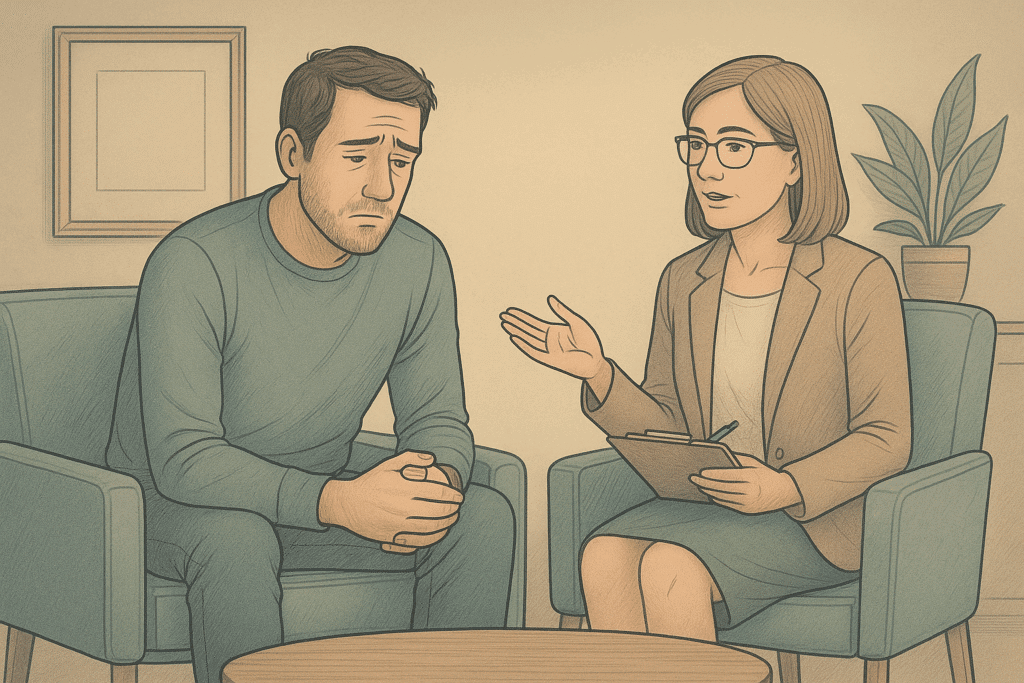
Various therapeutic approaches effectively address repressed anger, including Cognitive Behavioral Therapy, psychodynamic approaches, and body-centered modalities. The right approach depends on your specific history, symptoms, and preferences. A qualified mental health professional can help determine the most appropriate treatment strategy for your unique situation.
Consider seeking professional help if repressed anger significantly impacts your quality of life, relationships, or health, or if self-help approaches haven’t produced meaningful improvement. Remember, seeking support represents strength rather than weakness, it demonstrates commitment to your wellbeing and relationships.
Taking Control of Your Emotional Health with Mission Connection
At Mission Connection, our experienced therapists understand the complex relationship between repressed anger and overall health. We offer evidence-based treatments including Cognitive Behavioral Therapy, Dialectical Behavior Therapy, and comprehensive approaches specifically designed to help you identify, understand, and healthily express emotions you may have been carrying for years.

Don’t let repressed anger continue to impact your relationships, health, and quality of life. Through our comprehensive residential programs and specialized anger management services, we’ve helped countless individuals transform their relationship with anger from destructive suppression to healthy expression.
Contact Mission Connection today to begin your journey toward emotional freedom and authentic living.
Frequently Asked Questions
Can repressed anger actually cause physical health problems?
Yes, research shows that chronic emotional repression, particularly anger, can contribute to hypertension, weakened immune function, cardiovascular issues, and chronic pain conditions. The ongoing physiological stress response from contained anger creates inflammation and tension that may contribute to disease development over time.
How can I tell the difference between normal anger and repressed anger?
Normal anger is recognized, felt, and expressed appropriately in response to specific situations. Repressed anger operates below conscious awareness, manifesting instead as physical symptoms, persistent irritability over minor things, emotional numbness, or sudden disproportionate outbursts that seem disconnected from their triggers.
Is it possible for children to develop repressed anger patterns?
Absolutely. Children who have been discouraged from expressing anger directly may show behavioral problems, frequent stomachaches, excessive compliance, or emotional withdrawal. Children are particularly vulnerable to repressing emotions that have been met with punishment or shame, making early intervention crucial for healthy emotional development.
How long does it typically take to heal from years of suppressed anger?
Healing timelines vary significantly based on individual factors including duration of repression, underlying causes, and consistency with new emotional skills. Most people notice initial improvements within weeks of focused work, but comprehensive transformation of deeply ingrained patterns typically requires months of consistent practice and professional support.
What therapeutic approaches work best for addressing repressed anger?
Various evidence-based approaches effectively address repressed anger, including Cognitive Behavioral Therapy (CBT), Dialectical Behavior Therapy (DBT), mindfulness techniques, and body-centered modalities. Mission Connection specializes in comprehensive treatment plans that combine multiple therapeutic approaches customized to each individual’s specific history and needs.