
Understanding The Difference: Repressed vs Suppressed Anger
What is Repressed Anger
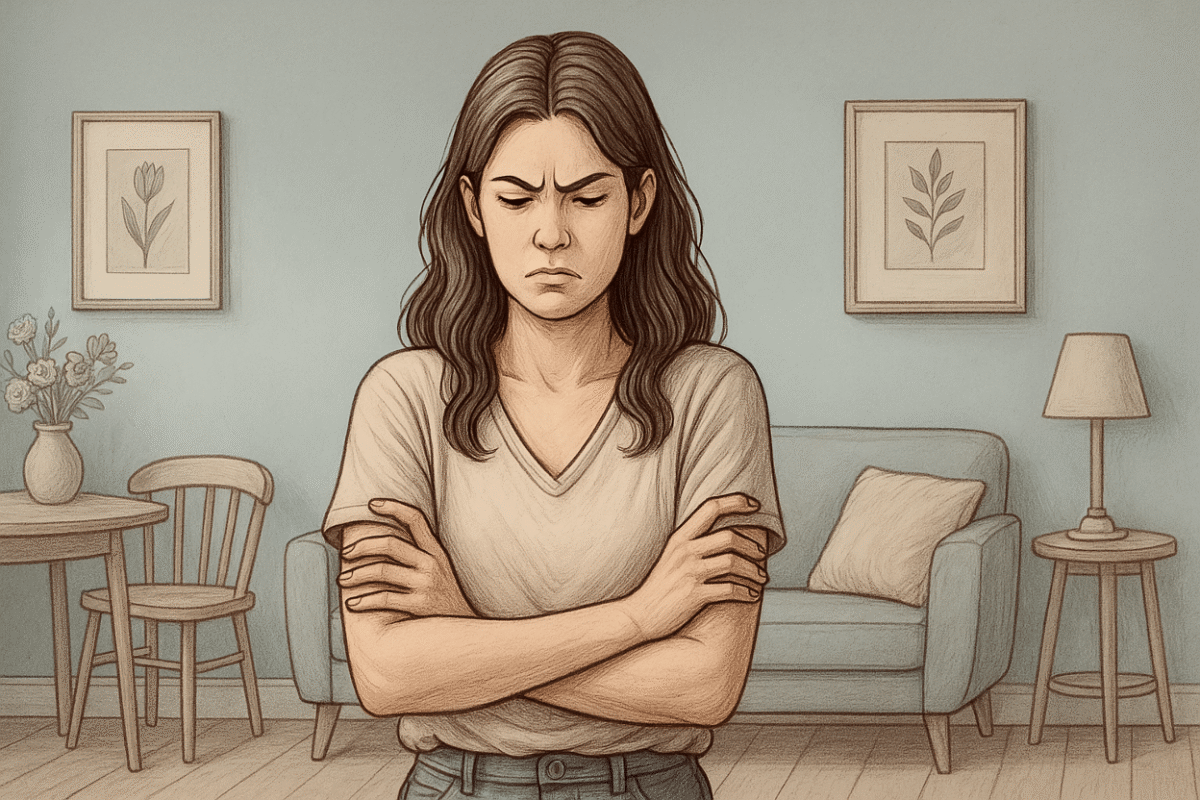
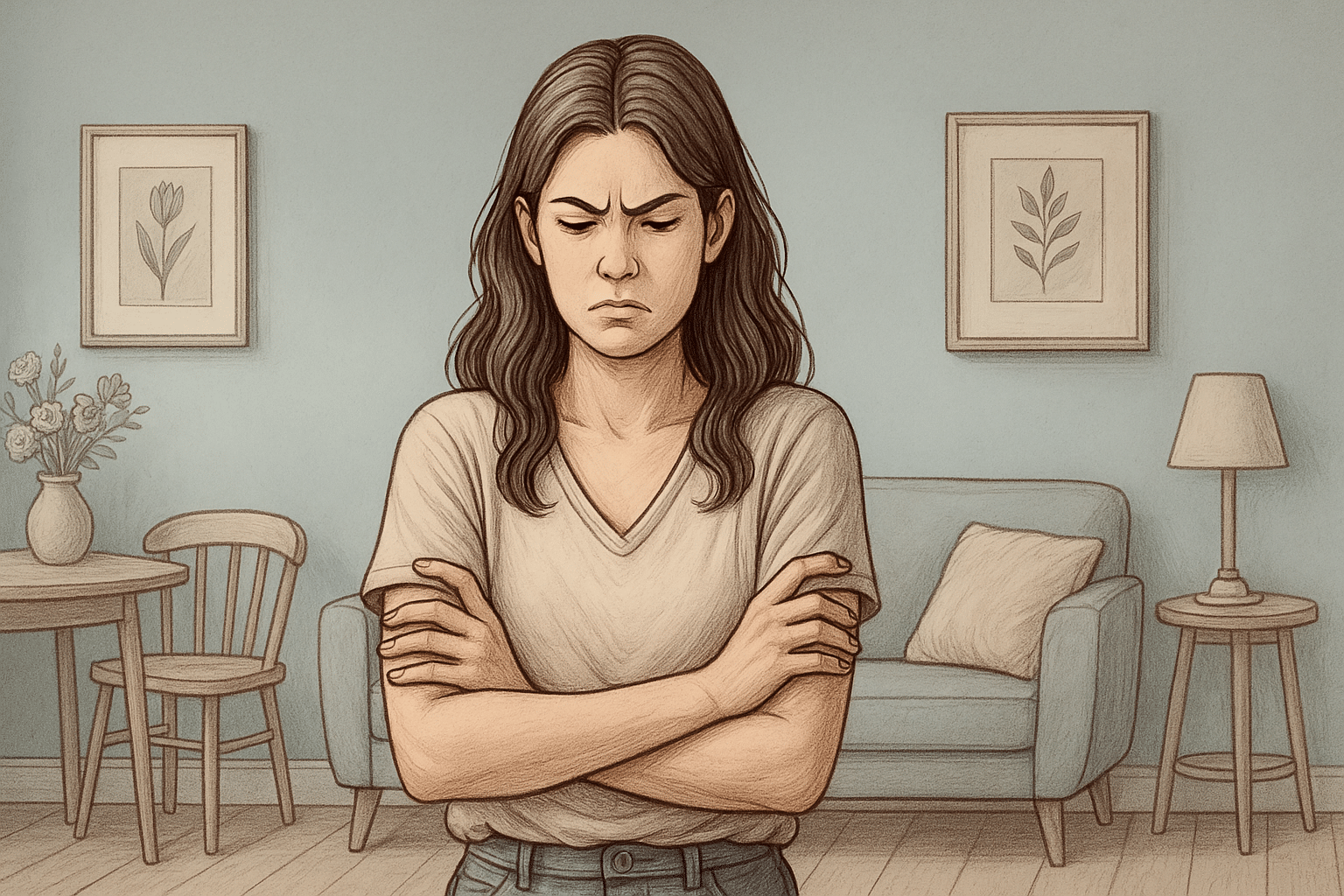
Repressed anger occurs when we unconsciously push angry feelings deep into our subconscious mind. Unlike suppression, repression happens without our awareness, we genuinely don’t recognize that we’re angry. This psychological defense mechanism develops as a way to protect ourselves from emotions that feel threatening or unacceptable.
Over time, a person with repressed anger may completely lose access to these feelings, creating a disconnect between their emotional reality and conscious experience.
What is Suppressed Anger
Unlike repression, suppressed anger involves the conscious decision to hide or push down angry feelings that we’re fully aware of experiencing. When we suppress anger, we recognize that we’re angry but deliberately choose not to express it.
This might happen for various practical reasons; perhaps the timing isn’t appropriate, expressing anger might jeopardize a relationship or job, or we’ve been socialized to view anger expression as inappropriate.
Examples of Scenarios
Repression Anger Scenarios
Consider a person who grew up with an explosive father. As a child, any sign of anger would trigger his rage, so they learned to disconnect from the anger entirely.
As an adult, this individual might be seen as perpetually cheerful and accommodating. When their boundaries are violated at work, they feel anxious and develop migraines but insist they aren’t upset.
The body reveals the anger the mind refuses to acknowledge through chronic tension, digestive issues, and sleep problems.
Suppression Anger In Action
Contrast to this is an individual, who feels intensely angry when her colleague takes credit for her work during a team meeting. She’s fully aware of her anger but consciously decides not to express it in the moment.
Later, she strategically addresses the issue in private with both her colleague and supervisor. This suppression is temporary and purposeful, she acknowledges her anger internally while choosing when and how to express it.
While suppression can be adaptive in certain situations, problems arise when it becomes your primary way of handling anger.

Health Consequences
Physical Problems
The body keeps score of emotions even when the mind does not. Unexpressed anger commonly manifests as tension headaches, jaw clenching, back pain, and digestive disturbances.
Cardiovascular impacts are particularly concerning. Studies show links between unexpressed anger and hypertension, increased risk of heart attack, and stroke.
These physical manifestations often become chronic when anger remains unaddressed, creating a self-perpetuating cycle of stress and bodily tension that can eventually lead to serious health conditions requiring medical intervention.
Mental Health Issues
Depression frequently develops as anger turns inward, particularly in cases of repression where individuals may unconsciously direct hostile feelings toward themselves rather than appropriate external targets. This internalized anger often manifests as harsh self-criticism, feelings of worthlessness, and diminished self-esteem.
Anxiety disorders is another common outcome, as the nervous system remains in a heightened state of arousal even when anger is pushed from consciousness. This persistent state of tension creates a background of worry, hypervigilance, and difficulty relaxing.
For those with repressed anger, panic attacks may occur when angry feelings threaten to break through into awareness, triggering an overwhelming fear response.
Sleep Disruption
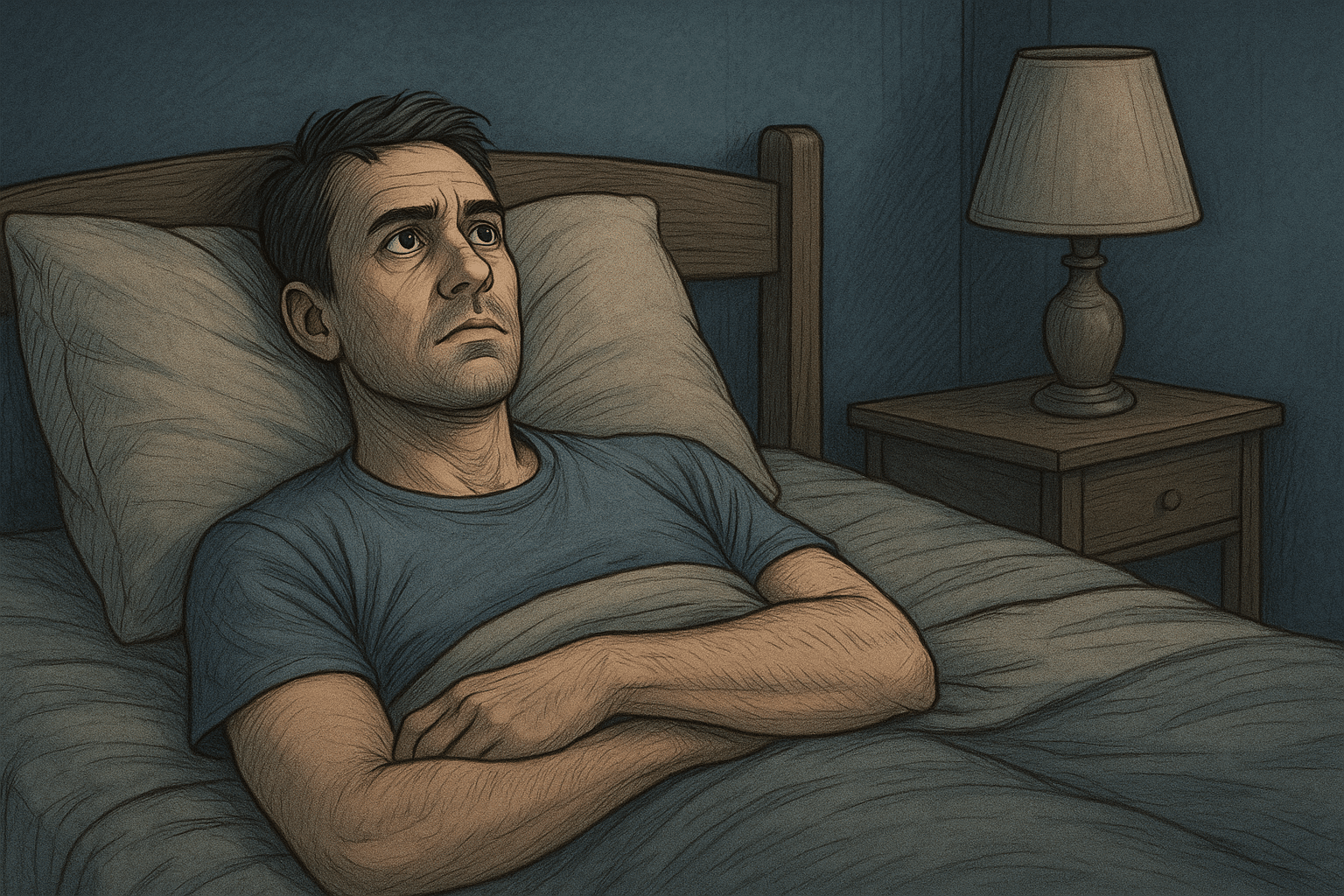
Those who repress or suppress anger often experience insomnia, disrupted sleep patterns, or unrefreshing sleep despite adequate hours. The suppressed emotional energy keeps the nervous system activated, interfering with the body’s natural transition to the relaxed state necessary for deep, restorative sleep.
This sleep disruption creates a vicious cycle: poor sleep diminishes emotional regulation capacity, making healthy anger management even more difficult and further compromising physical and mental health.
Effective Techniques to Overcome Anger Patterns
Setting Boundaries
Learning to set healthy boundaries is essential for anyone working to overcome patterns of repressed or suppressed anger. Boundaries communicate your needs, limits, and expectations to others, preventing the resentment that builds when these go unexpressed.
Many individuals with anger issues struggle with either rigid, inflexible boundaries or boundaries that are too permeable, allowing others to consistently override their needs. The goal is finding the middle ground, clear, consistent boundaries that can still flex in appropriate circumstances.
This balanced approach prevents both the doormat syndrome common in those who repress anger and the fortress mentality that can develop after years of suppression reach a breaking point.
Assertive Communication
Assertive communication serves as the bridge between unhealthy anger patterns and emotional authenticity. Unlike passive communication (which enables repression) or aggressive communication (which often follows prolonged suppression), assertiveness allows for honest expression while maintaining respect for yourself and others.
Many individuals benefit from practicing these skills in role-play scenarios before attempting them in higher-stakes real-world situations. Through repetition and feedback, assertive communication gradually becomes more natural, providing an alternative to both the silence of repression and the eventual explosion that often follows chronic suppression.
Remember that assertiveness is a skill, it may feel uncomfortable at first but improves with practice and supportive guidance.
Cooling-Off Techniques
For those working to shift from unhealthy anger patterns, having reliable cooling-off techniques like deep breathing exercises, progressive muscle relaxation, brief physical activities like a brisk walk, or cognitive reframing strategies help put situations in perspective.
Having these tools readily available helps prevent the sense that your only options are complete anger avoidance or uncontrolled emotional outbursts.
When To Seek Help
Warning Signs
For those with repressed anger, warning signs might include escalating physical symptoms without medical explanation, increasing emotional numbness, or feedback from others about passive-aggressive behaviors you don’t recognize in yourself.
You might also notice a growing sense of victimhood, frequent feelings of being overwhelmed by minor stressors, or crying episodes that seem disconnected from any identified emotion.
For those with suppressed anger, warning signs often include more overt indicators like increasing frequency of explosive episodes, growing relationship conflicts, or feeling that your anger is controlling you rather than the reverse.
You might notice that the gap between trigger and reaction is shrinking, with less ability to pause before responding emotionally. Both patterns may also manifest in sleep disturbances, and increased withdrawal from activities and relationships that previously brought joy.
Finding The Right Therapist
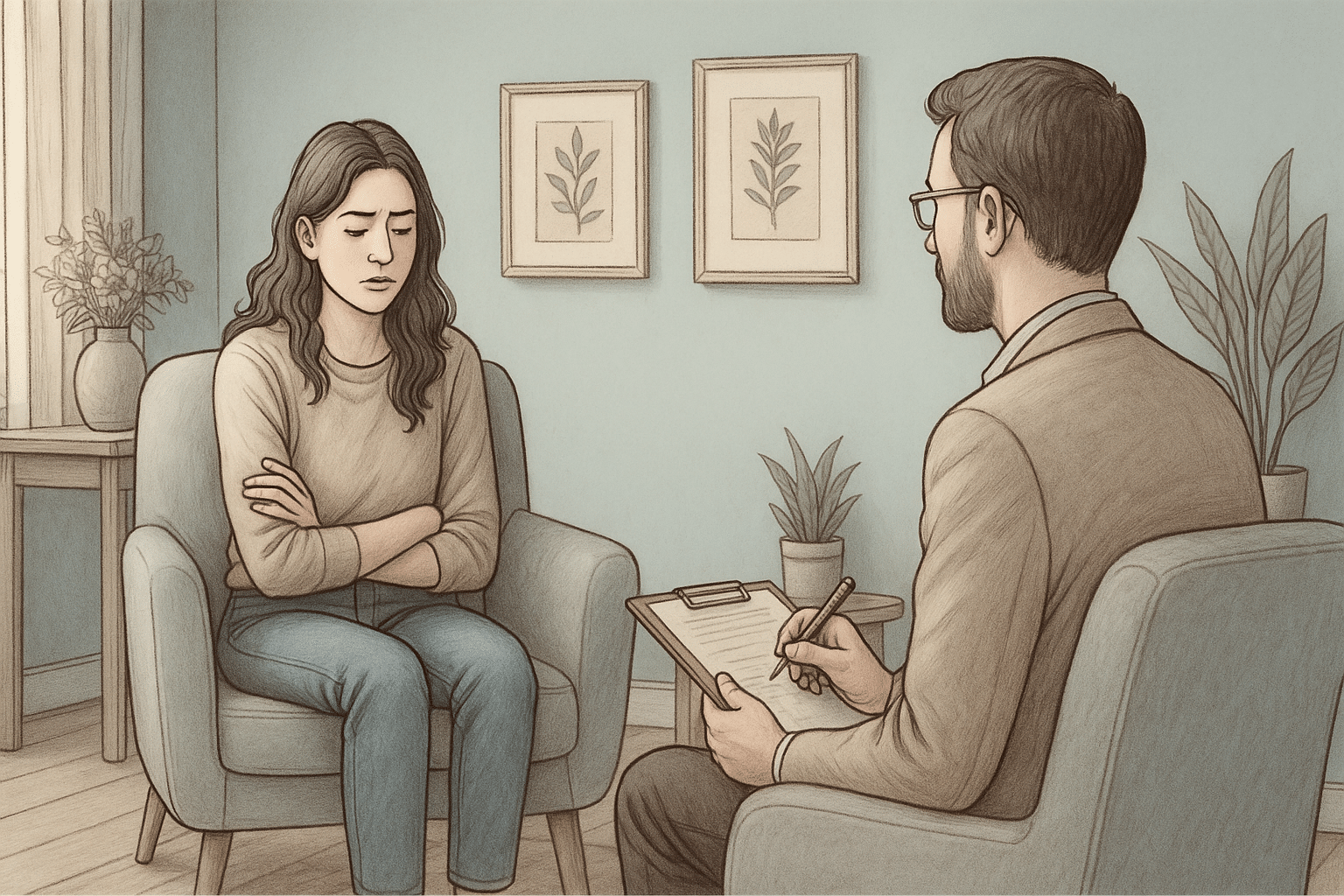
Look for professionals with backgrounds in Cognitive Behavioral Therapy (CBT), psychodynamic approaches, trauma-informed care, or mindfulness-based interventions, as these approaches have strong evidence bases for addressing different aspects of anger difficulties.
During initial consultations, ask potential therapists about their experience with your specific type of anger issue and their treatment approach. The therapeutic relationship itself is one of the strongest predictors of positive outcomes, so trust your instincts about whether a particular therapist feels like someone you can work with effectively.
Many people find that a combination of individual therapy and group-based anger management programs provides the most comprehensive support for lasting change.
Find Healing Through Mission Connection’s Expert Anger Treatment
At Mission Connection, we recognize that anger issues aren’t simply about learning to “control yourself.” They’re complex emotional patterns often rooted in childhood experiences and require specialized, compassionate treatment.
Our comprehensive approach combines evidence-based therapies including CBT, psychodynamic work, EMDR, and mindfulness practices, all delivered by experienced professionals who understand the nuanced differences between various anger patterns.

What sets Mission Connection apart is our commitment to addressing not just the surface behaviors but the underlying causes of unhealthy anger patterns. We understand that seeking help for anger issues requires courage, and we’re here to provide the safe, non-judgmental environment necessary for lasting healing.
Don’t let repressed or suppressed anger continue controlling your life and health. Contact Mission Connection today to begin your journey toward authentic emotional expression and genuine peace.
Frequently Asked Questions (FAQ)
Can repressed anger cause physical illness?
Yes, substantial research indicates that chronically repressed anger can contribute to various physical health problems. The constant physiological stress of unexpressed emotions activates inflammatory processes in the body, potentially contributing to conditions like hypertension, digestive disorders, chronic pain syndromes, and compromised immune function.
The mind-body connection means that emotions denied expression often find alternative outlets through physical symptoms.
Is suppressing anger sometimes appropriate?
Yes, temporary anger suppression can be adaptive in certain situations where immediate expression would be counterproductive or harmful. The key distinction is whether suppression serves as a short-term strategy for managing timing and context versus a chronic pattern of emotional avoidance.
Healthy suppression involves acknowledging your anger internally while choosing to address it at a more appropriate time or in a more constructive manner.
How can I tell if I’m repressing anger?
Since repression operates unconsciously, direct self-identification is challenging. Instead, look for indirect indicators: unexplained physical symptoms that worsen during stress, feedback from others about passive-aggressive behaviors you don’t recognize in yourself, or a pattern of people-pleasing that leaves you feeling depleted.
You might also notice feeling victimized frequently without being able to identify why, experiencing emotional numbness, or having disproportionate emotional reactions to seemingly minor triggers.
Can childhood trauma cause repressed anger in adults?
Yes, childhood trauma frequently leads to repressed anger in adulthood. When children experience situations where expressing anger is dangerous, punishment-worthy, or simply ignored, they often learn to disconnect from this emotion as a survival mechanism.
This is particularly common in households with abusive, unpredictable, or emotionally unavailable caregivers, where a child’s natural angry responses to boundary violations or mistreatment might escalate conflict or lead to abandonment.
What makes Mission Connection’s approach to anger treatment different?
Mission Connection utilizes a comprehensive, individualized approach that addresses both repressed and suppressed anger patterns through evidence-based therapies.
Our Joint Commission-accredited facilities combine multiple therapeutic modalities including CBT, psychodynamic therapy, EMDR, and mindfulness practices, all delivered by experienced professionals who understand the complex nature of anger issues.
We provide in-patient, outpatient, and telehealth programs, ensuring personalized care that meets your specific needs while addressing underlying causes rather than just surface behaviors.