
Recognizing PTSD Symptoms
PTSD, or Post-Traumatic Stress Disorder, is a mental health condition triggered by experiencing or witnessing a traumatic event. Recognizing PTSD symptoms early aids effective management and recovery.
Intrusive Memories
Intrusive memories are unexpected and unwanted recollections of the traumatic event. These can come in the form of flashbacks, where you feel as though you’re reliving the event, or distressing dreams that disrupt your sleep.
For example, a veteran might experience flashbacks triggered by loud noises, feeling as if they are back on the battlefield. Such experiences can be overwhelming and difficult to manage without professional support.
Avoidance Behaviors
Avoidance behaviors involve steering clear of reminders of the traumatic event. This might mean avoiding certain places, people, or activities that could trigger distressing memories.
Someone who survived a car accident might avoid driving or even being in a car. While this might provide temporary relief, it often leads to further isolation and limits daily functioning.
Negative Thoughts and Mood
Trauma can significantly alter your thoughts and mood, leading to feelings of hopelessness, detachment from loved ones, and difficulty experiencing positive emotions. You might also struggle with memory problems, particularly around the traumatic event.
These changes can make it challenging to maintain relationships and enjoy activities you once found fulfilling.
Physical and Emotional Reactions
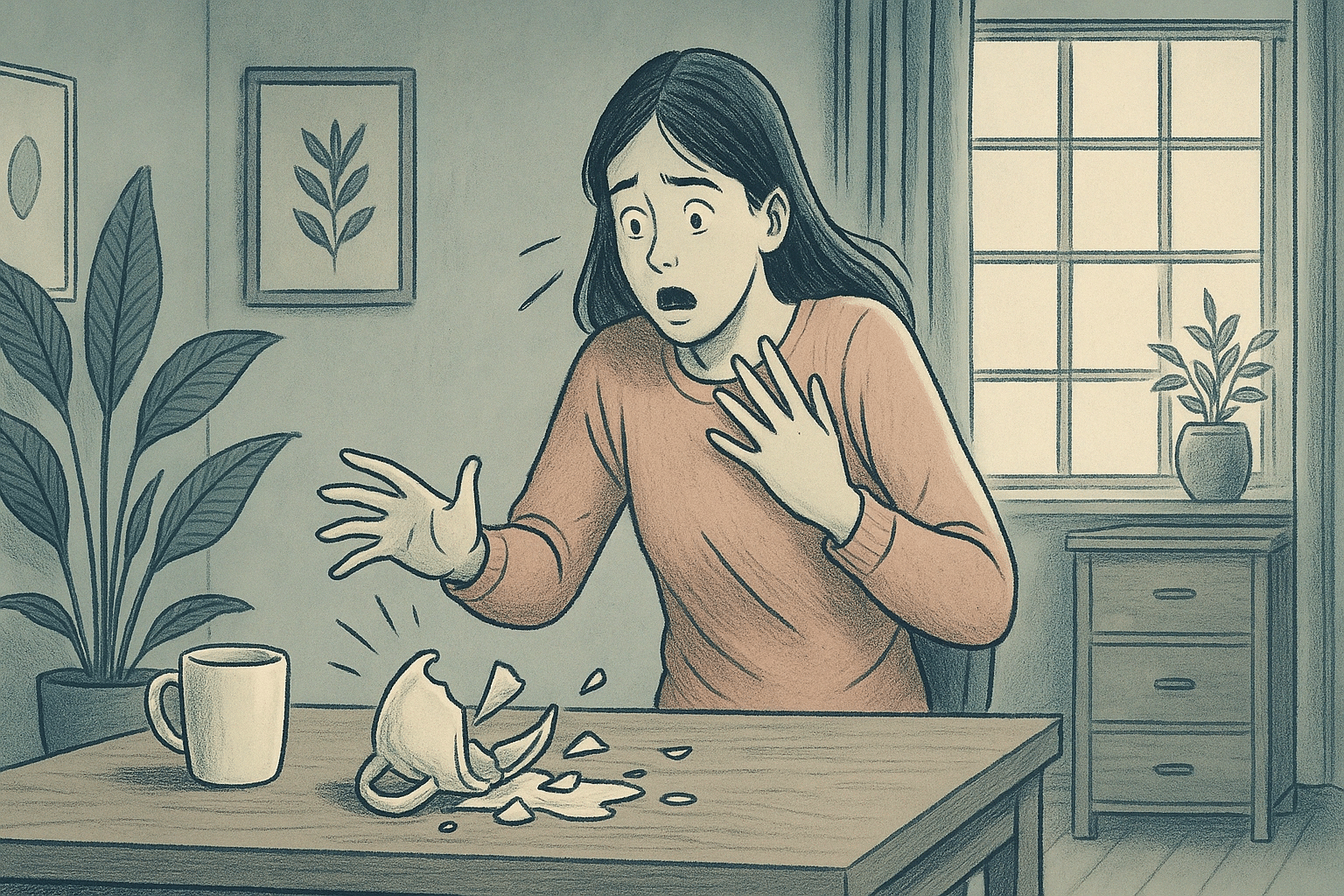
Physical and emotional reactions include being easily startled, feeling tense or “on edge,” and experiencing irritability or angry outbursts.
For instance, someone might snap at friends or family over minor issues, which can strain relationships. Understanding these reactions is crucial for seeking appropriate help and learning coping strategies.
PTSD Symptom Checklist: What You Need to Know
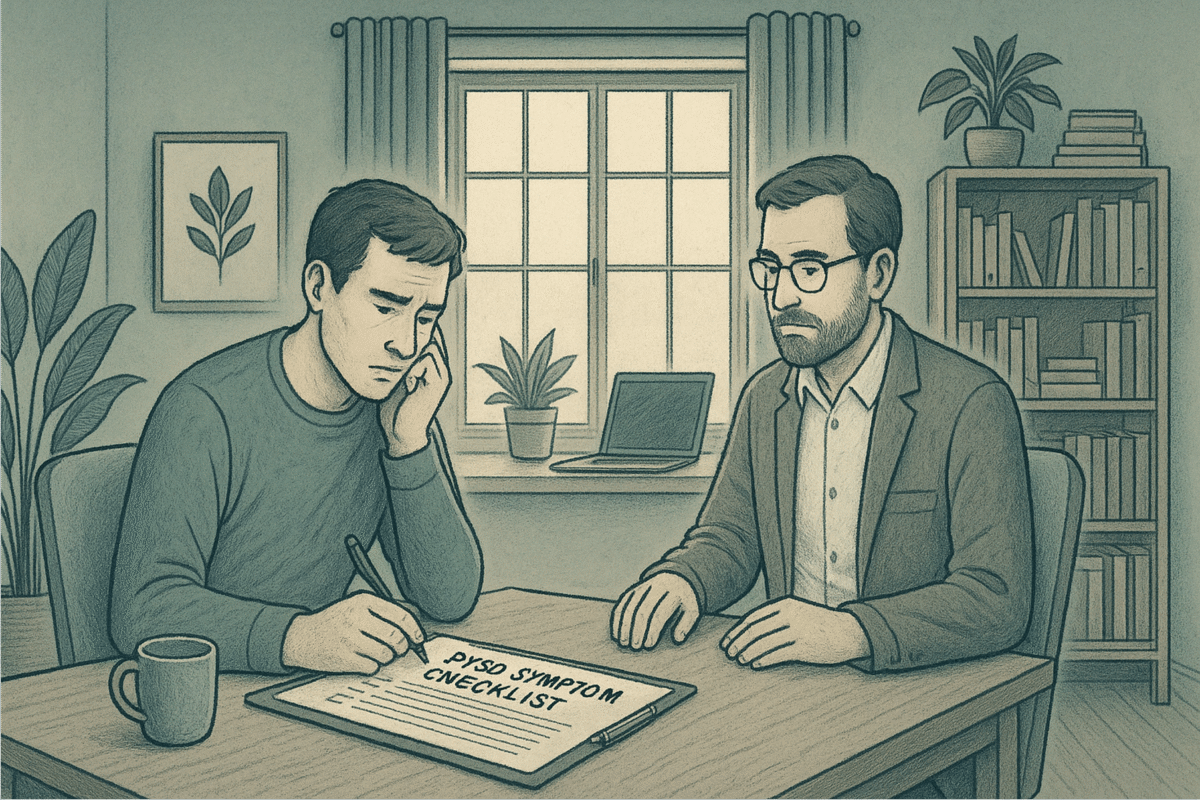
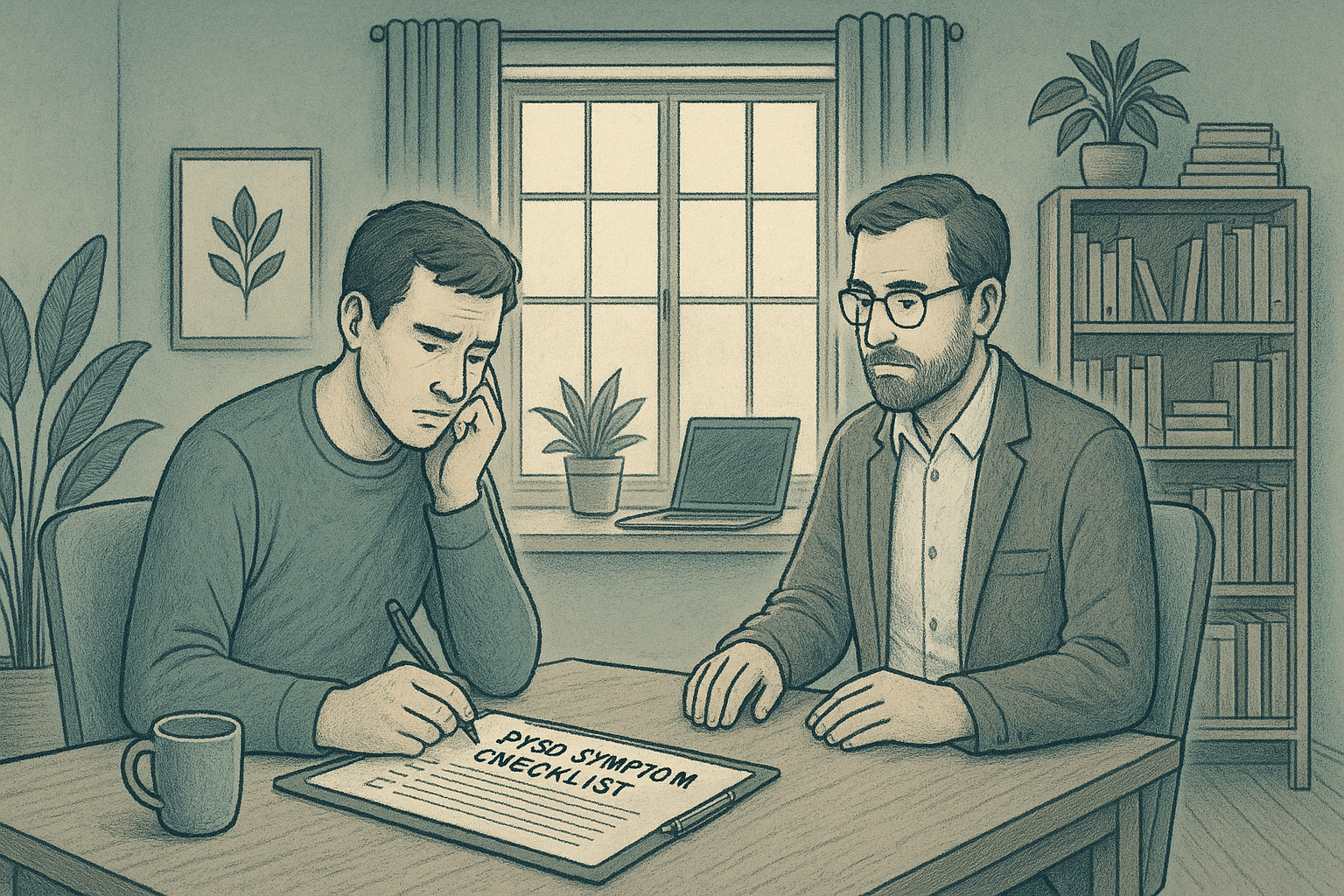
The PTSD Symptom Checklist, popularly known as the PCL-5, is a self-measurement tool that assesses the 20 DSM-5 (Diagnostic and Statistical Manual of Mental Disorders, Fifth Edition) symptoms of PTSD.
Who Should Use This Checklist
The checklist is designed for adults who have experienced a traumatic event and are noticing potential symptoms of PTSD. If you find yourself frequently reliving a traumatic event, avoiding situations that remind you of it, or experiencing heightened emotional responses, the checklist can be a helpful tool.
Also, family members or caregivers of individuals who have experienced trauma can benefit from the checklist. It’s a structured way to discuss symptoms and encourage others to seek professional help.
How the Checklist Helps
The PTSD symptom checklist serves multiple purposes—it helps with monitoring symptom changes over time, screening individuals for PTSD, and making a provisional diagnosis. However, it’s a preliminary tool and should not replace a professional diagnosis.
Using the checklist can be the first step in recognizing the need for professional help. It opens up the conversation about mental health and encourages individuals to seek support from qualified professionals who can provide a comprehensive assessment and tailored treatment plan.
How to Use the PCL-5 Checklist
Checklist Components
The checklist comprises 20 items, each corresponding to a specific symptom of PTSD as outlined in the DSM-5. These items cover the four main symptom clusters: intrusive memories, avoidance, negative thoughts and mood, and physical and emotional reactions. Each item is rated on a scale from 0 to 4, with 0 indicating not at all and 4 indicating extremely, based on how much the symptom has bothered you in the past month.
Instructions for Use
To use the checklist, read each item carefully and consider how often or intensely you’ve experienced each symptom in the past month. Mark the corresponding number that best describes your experience.

Make sure to approach this process with honesty and openness. The goal is to gain a clear understanding of your symptoms to determine the next steps in your mental health journey.
Frequency of Assessment
Regularly using the PTSD symptom checklist can help track changes in your symptoms over time. It can be particularly useful during periods of increased stress or after exposure to potential triggers. Some individuals might find it helpful to complete the checklist monthly, while others may choose to do so quarterly.
Monitoring your symptoms consistently can provide valuable insights into your mental health progress and inform discussions with mental health professionals.
Interpreting Results
Interpreting the results of your checklist involves considering both the total score and the scores of individual items. A higher total score suggests more severe symptoms, but focus on specific areas that might require attention.
For example, if you notice consistently high scores in the avoidance category, it might indicate a need to address these behaviors with a therapist. Remember, the checklist is a starting point and not a diagnostic tool. Use it to guide conversations with a mental health professional who can provide a comprehensive evaluation and treatment plan.
When to Seek Professional Help
Indications for Professional Intervention
If your checklist results indicate high scores across multiple categories or if your symptoms interfere with daily functioning, it’s time to seek professional help. Other indicators include persistent distress, inability to maintain relationships, or difficulty managing emotions.
Additionally, if you experience thoughts of self-harm or suicide, seek immediate assistance from a mental health crisis service or emergency room.
Available Treatment Options
Treatment for PTSD typically involves a combination of therapy and medication. Cognitive Behavioral Therapy (CBT) and Eye Movement Desensitization and Reprocessing (EMDR) are effective therapeutic approaches.
Medications, such as antidepressants, can also be prescribed to manage symptoms like anxiety and depression. A mental health professional will tailor treatment to your specific needs and preferences.
Finding a Mental Health Professional
Finding the right mental health professional involves considering factors such as their experience with PTSD, treatment approaches, and your comfort level with them. Start by asking for recommendations from trusted sources or searching online directories for licensed therapists specializing in trauma.
Also, many organizations and support groups offer resources and referrals to qualified professionals. Don’t hesitate to reach out for help—finding the right support can make a significant difference in your recovery.
Mission Connection: Transforming PTSD Assessment into Recovery

Understanding your PTSD symptoms is only the beginning of healing; transforming that awareness into recovery requires specialized expertise. Our trauma-focused approach begins with a thorough assessment and evolves into personalized treatment that addresses the specific ways trauma manifests in your life.
The trauma specialists at Mission Connection in California, Virginia, and Washington recognize that behind each checklist item lies a real human experience. We don’t just identify the symptoms—we provide targeted interventions using evidence-based therapies like EMDR and CBT that directly address your unique trauma response.
What truly distinguishes our approach is our commitment to building resilience alongside addressing symptoms. We’ve designed our trauma treatment program to help you reclaim what trauma has taken while developing new strengths that transform how you manage life’s challenges.
The symptom checklist can be your roadmap to recovery. Contact Mission Connection today to take the next step beyond the assessment and rediscover life beyond trauma.
Frequently Asked Questions
What is PTSD?
PTSD, or Post-Traumatic Stress Disorder, is a mental health condition that can develop after experiencing or witnessing a traumatic event. It involves a range of symptoms that affect a person’s emotional and physical well-being. These symptoms can include flashbacks, avoidance of reminders of the trauma, negative changes in thoughts and mood, and heightened physical and emotional reactions.
Can PTSD symptoms change over time?
Yes—they might become more intense or less noticeable depending on various factors, such as stress levels, exposure to triggers, or life changes. Monitor symptoms regularly and seek professional help if they worsen or interfere with daily life.
How accurate is the checklist in diagnosing PTSD?
The PTSD symptom checklist is a valuable tool for identifying potential symptoms, but it’s not a diagnostic tool—it’s a preliminary assessment that can indicate whether further evaluation by a mental health professional is necessary. A comprehensive evaluation by a qualified professional is essential for an accurate diagnosis.
What should I do if my PTSD checklist score is high?
If your PTSD checklist score is high, seek professional help. A mental health professional can provide a thorough assessment and discuss treatment options personalized for your needs. Early intervention can lead to better management of symptoms and improved quality of life.
What treatment approaches does Mission Connection use for PTSD?
Mission Connection specializes in evidence-based trauma treatments, including EMDR, which helps process traumatic memories, and CBT, which addresses negative thought patterns associated with trauma. We also utilize Trauma-Focused Therapy, mindfulness techniques, and somatic approaches that address how trauma is stored in the body. This integrated approach addresses both the psychological and physiological impacts of trauma.