
What Are Mood Disorders? Signs You Shouldn’t Ignore
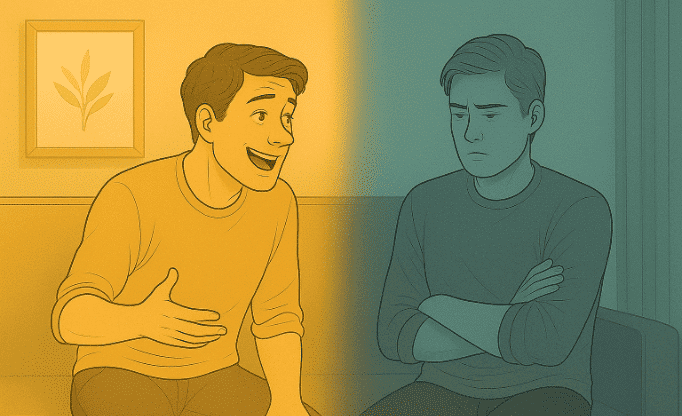
Mood disorders are psychiatric conditions characterized by significant disturbances in emotional regulation. Unlike normal mood fluctuations, these disorders involve persistent emotional states that substantially interfere with daily functioning. They affect how you think, feel, and handle everyday activities like sleeping, eating, or working.
The hallmark of mood disorders is their intensity and duration. While everyone experiences sadness, irritability, or improved moods occasionally, mood disorders involve symptoms that persist for weeks or months. These emotional states aren’t easily “snapped out of” and typically don’t resolve without proper treatment.
Warning signs that warrant professional attention include persistent feelings of sadness or emptiness, loss of interest in previously enjoyed activities, significant weight changes, sleep disturbances, fatigue, feelings of worthlessness, difficulty concentrating, and thoughts of death or suicide. If these symptoms persist for more than two weeks or interfere with your ability to function, it’s time to seek help.
7 Common Types of Mood Disorders
Mood disorders encompass a broad spectrum of mental health conditions that primarily affect emotional state, energy, and behavior. While everyone experiences ups and downs, mood disorders involve disturbances that are more intense, prolonged, and disruptive to everyday life. Understanding the distinctions between these conditions helps improve recognition, diagnosis, and treatment outcomes.
1. Major Depressive Disorder (MDD): Beyond Sadness
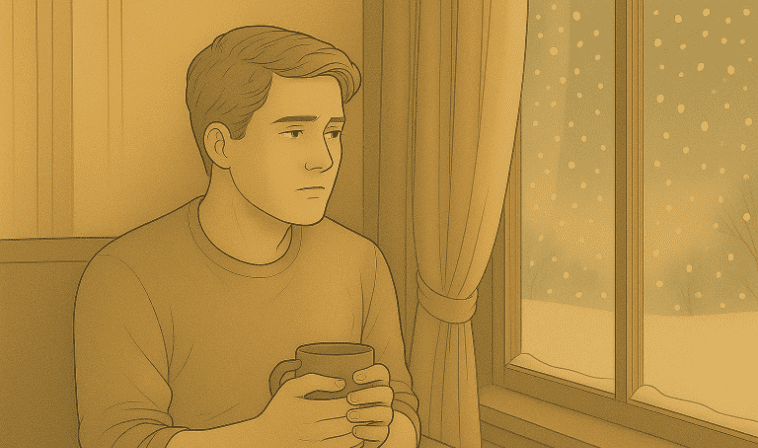
Major Depressive Disorder is the most recognized mood disorder, marked by persistent sadness, emptiness, and loss of interest in daily activities. People may experience changes in sleep, appetite, concentration, and self-worth. Physical symptoms like fatigue and unexplained aches are also common. Unlike situational sadness, MDD doesn’t resolve on its own and may lead to thoughts of death or suicide without treatment. Evidence-based approaches like therapy, medication, and lifestyle changes can significantly improve recovery.
2. Bipolar Disorder: The Highs and Lows
Bipolar disorder involves alternating episodes of depression and mania (or hypomania). During manic phases, individuals may feel euphoric, energetic, or impulsive, often engaging in risky behavior or going without sleep. Depressive phases mirror symptoms of major depression. Bipolar I includes full manic episodes, while Bipolar II features milder hypomanic states. These shifts can be destabilizing, but mood-stabilizing medications and structured therapy can help manage long-term balance and functioning.
3. Persistent Depressive Disorder (Dysthymia): The Long Haul
Persistent Depressive Disorder is a chronic form of depression lasting two years or longer. Symptoms, such as low mood, tiredness, and hopelessness, are less severe than major depression but constant enough to affect motivation and quality of life. Many people appear to “function” normally while quietly struggling. It’s common for major depressive episodes to overlap with dysthymia, creating what’s called “double depression.” Psychotherapy and ongoing support can help individuals rebuild resilience and emotional stability.
4. Seasonal Affective Disorder (SAD): When Darkness Affects Mood
Seasonal Affective Disorder follows a recurring yearly pattern, typically emerging during the darker months of autumn and winter. The lack of sunlight disrupts circadian rhythms, serotonin levels, and melatonin balance, leading to fatigue, low motivation, cravings for carbohydrates, and social withdrawal. SAD can be effectively managed through light therapy, vitamin D, exercise, and maintaining a consistent routine that maximizes daylight exposure.
5. Premenstrual Dysphoric Disorder (PMDD): Hormonal Mood Shifts
PMDD is a severe, hormonally driven mood disorder affecting some women during the luteal phase of their menstrual cycle. Emotional symptoms, such as depression, anger, irritability, or anxiety, intensify in the week before menstruation and ease once the period begins. These fluctuations can significantly interfere with work, relationships, and well-being. While related to PMS, PMDD is more intense and often benefits from a combination of hormonal treatment, therapy, and lifestyle adjustments.
6. Disruptive Mood Dysregulation Disorder (DMDD): Childhood Irritability
DMDD is diagnosed in children who display chronic irritability, anger, and frequent temper outbursts far beyond typical frustration levels. These episodes occur several times a week and persist for at least a year, affecting home, school, and peer relationships. Unlike bipolar disorder, DMDD does not include manic symptoms. Early behavioral therapy and family-based interventions can help children learn coping skills and emotional regulation before these patterns become ingrained.
7. Cyclothymic Disorder: Mild but Persistent Mood Swings
Cyclothymic Disorder involves recurring cycles of mild depressive and hypomanic symptoms that last for two years or more. While not as extreme as bipolar disorder, the constant mood instability can disrupt relationships, productivity, and self-confidence. Many people with cyclothymia describe feeling emotionally unpredictable or “always slightly off.” Consistent therapy, mood monitoring, and stress management can prevent symptoms from progressing to more severe bipolar conditions.
Root Causes of Mood Disorders
Mood disorders rarely have a single cause. They emerge from a complex mix of biological, genetic, environmental, and psychological influences that affect how the brain regulates mood and emotion. Understanding these underlying factors helps guide more effective treatment.
Brain Chemistry and Function
Imbalances in key neurotransmitters, serotonin, dopamine, and norepinephrine, disrupt emotional balance, motivation, and energy. Brain imaging studies show that altered activity and grey matter changes in the medial prefrontal cortex, amygdala, hippocampus, and related neural networks play a central role in mood disorders. These changes both contribute to and result from ongoing mood symptoms.
Genetic Influences
Family and twin studies show that bipolar disorder has a strong genetic component, with first-degree relatives facing significantly higher risk. Instead of a single gene, multiple genetic variations combine to increase vulnerability. However, genes alone don’t determine outcome; environmental stressors often trigger the onset in predisposed individuals.
Environmental and Life Stressors
Stressful or traumatic experiences, such as abuse, neglect, grief, or major life transitions, can trigger or worsen mood disorders. These events can alter brain chemistry and heighten emotional sensitivity, particularly during formative years when the brain is still developing.
Medical and Physical Factors
Certain medical conditions and medications can mimic or aggravate mood symptoms. Thyroid problems, vitamin deficiencies, neurological disorders, and autoimmune conditions are common contributors. Some drugs, like corticosteroids or hormonal treatments, may also affect mood, highlighting the importance of thorough medical assessment.
How Doctors Diagnose Mood Disorders
Diagnosing mood disorders requires a thorough approach that rules out medical causes while accurately identifying specific conditions. Unlike physical illnesses confirmed by lab tests, mood disorders rely on careful clinical assessment of symptoms, duration, and impact on daily life.
Assessment Tools and Questionnaires
Clinicians use standardized tools like the PHQ-9 for depression or the MDQ for bipolar disorder to measure symptom severity and monitor progress. These tools supplement, but never replace, detailed clinical interviews, which include personal history, context, and nuanced symptom patterns.
Physical Exams and Lab Tests
Doctors perform exams and tests to rule out medical issues that can mimic mood disorders. Thyroid problems, vitamin deficiencies, anemia, and hormonal imbalances can all present with similar symptoms, making medical evaluation critical before confirming a psychiatric diagnosis.
Psychiatric Evaluation
A comprehensive psychiatric assessment examines symptom onset, duration, pattern, personal and family psychiatric history, substance use, and psychosocial stressors. Diagnosis follows DSM-5 criteria, often requiring multiple sessions to account for fluctuating symptoms and overlapping disorders.
Effective Treatment Options
Treatment for mood disorders is most effective when specific to the individual and combines therapy, lifestyle strategies, and, when necessary, medication. A multimodal approach addresses immediate symptoms while supporting long-term emotional regulation and coping skills.
Therapy Approaches
Psychotherapy is central to managing mood disorders. Cognitive-behavioral therapy (CBT) targets negative thought patterns and teaches practical coping skills. Interpersonal therapy (IPT) focuses on relationships and social functioning, while dialectical behavior therapy (DBT) combines mindfulness with emotional regulation. For bipolar disorder, psychoeducation and family-focused therapy help identify early warning signs and develop response strategies. The best approach depends on the disorder type and personal needs.
Lifestyle and Daily Practices

Regular exercise, improved sleep, balanced nutrition, stress management, and social engagement significantly support mood regulation. Even modest routines, like walking three times a week, can reduce depressive symptoms and enhance therapy outcomes, reducing the risk of relapse.
Medication When Needed
Medications such as antidepressants or mood stabilizers may complement therapy, particularly for moderate to severe symptoms. Medication plans are personalized, and adjustments are often needed for optimal results.
Living With a Mood Disorder: Practical Steps
Managing a mood disorder involves more than professional treatment—it requires self-care, structured routines, and a strong support system. With consistent strategies, many individuals lead fulfilling, productive lives while effectively managing symptoms.
Building a Support Network
Connect with trusted friends, family, or peer support groups to share experiences, gain advice, and reduce isolation. Regular check-ins with healthcare providers help monitor progress and prevent relapses. Supporting others, even in small ways like volunteering, can boost self-worth and purpose.
Self-Care Strategies
Establish consistent routines for sleep, meals, and activities to stabilize mood. Track symptoms and early warning signs using mood journals or apps to detect changes before episodes escalate. Incorporate exercise, mindfulness, and stress-reduction practices to support overall well-being.
Talking to Friends and Family
Educate your circle about your condition, emphasizing it’s a medical issue, not a personal failing. Explain how symptoms affect you and provide clear ways they can offer support, like recognizing warning signs or respecting space during challenging times.
Proactive Planning
Identify coping strategies for difficult moments, prepare for mood fluctuations, and keep emergency contacts handy. Planning ahead can reduce anxiety and make episodes more manageable.
Supporting Your Mental Health Journey with Mission Connection

Managing a mood disorder can feel overwhelming, but accessible, flexible, and high-quality care can make a lasting difference. Mission Connection provides comprehensive outpatient mental health services for adults and young adults going through depression, anxiety, bipolar disorder, trauma, and other primary mental health conditions. Their approach combines evidence-based therapies, personalized care, and flexible scheduling to help clients regain emotional balance.
Key Features of Mission Connection:
- Flexible Care Formats: In-person, virtual, and hybrid sessions that fit your lifestyle.
- Comprehensive Clinical Services: Individual therapy, group therapy, experiential sessions, psychiatric evaluation, medication management, and life-skills support.
- Evidence-Based Therapies: CBT, DBT, Eye Movement Desensitization and Reprocessing (EMDR), and other modalities specific to your needs.
- Compassionate Support: Licensed clinicians provide personalized treatment plans in a safe, supportive environment.
- Telehealth Accessibility: Get care from home, work, or anywhere, no logistical barriers.
- Proven Client Outcomes: 96% of clients are glad they entered care; 97% feel supported by their therapists.
Mission Connection focuses on building lasting skills and resilience, helping clients not just manage symptoms but sustain mental wellness long-term. Their multidisciplinary team ensures care meets you where you are, practically, conveniently, and compassionately.
Frequently Asked Questions (FAQs)
Can mood disorders go away on their own?
Clinical mood disorders rarely resolve without treatment. Episodes may temporarily remit, but underlying conditions often persist. Proper evaluation and professional care are essential to reduce symptoms, restore functioning, and prevent recurrence over time.
Are mood disorders hereditary?
Mood disorders run in families, with first-degree relatives at 2–4 times higher risk. Genetic predisposition increases vulnerability, but environmental factors, life experiences, and protective influences determine whether an individual actually develops a mood disorder.
What’s the difference between a mood disorder and normal sadness?
Normal sadness is temporary, proportional to its cause, and allows moments of relief. Mood disorders involve persistent, disproportionate emotional states, significant functional impairment, and physical symptoms, often leaving affected individuals unable to experience pleasure even in enjoyable situations.
Can children develop mood disorders?
Yes, children can experience mood disorders, though symptoms often differ from adults. Depression may appear as irritability or behavioral issues, and bipolar disorder often shows severe mood dysregulation. Early recognition and intervention are crucial for better outcomes.
Are mood disorders treatable long-term?
With proper treatment, including therapy, lifestyle changes, and, when needed, medication, most people achieve symptom reduction, functional recovery, and relapse prevention. Consistency and early intervention improve long-term outcomes.
Programs like Mission Connection provide flexible, evidence-based care specific to individual needs, combining in-person and telehealth therapy, psychiatric support, and life-skills guidance to help clients maintain lasting mental wellness.