
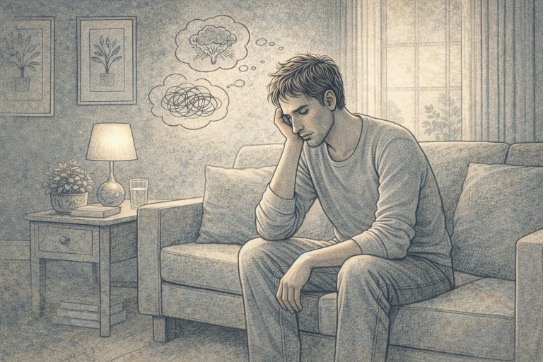
Why Does Bipolar Disorder Go Unnoticed in Adults?
Bipolar disorder affects an estimated 2.8% of U.S. adults each year, according to the National Institute of Mental Health, yet many go years without receiving an accurate diagnosis. The reason is fairly straightforward: bipolar symptoms often look like other conditions. These patterns are easy to rationalize — a productive stretch or a rough few weeks — which is exactly why bipolar disorder so often goes unrecognized for years.
This matters because an incorrect diagnosis usually leads to an incorrect treatment plan. If you or someone you care about has struggled with recurring mood changes that never seem to fully resolve, understanding the signs of undiagnosed bipolar disorder is a practical place to start. The five signs most frequently linked to undiagnosed bipolar disorder in adults are: extreme mood swings, periods of unusually high energy, impulsive out-of-character decisions, recurring sleep disruptions, and chronic irritability.
5 Common Signs of Undiagnosed Bipolar Disorder in Adults
1. Extreme Mood Swings That Go Beyond Ordinary Ups and Downs
Everyone has emotional highs and lows. But with bipolar disorder, these shifts are more intense, last longer, and can significantly disrupt daily life. A person might feel deeply motivated and confident for days or weeks, only to crash into a period of hopelessness, fatigue, and withdrawal.
What sets these mood swings apart from ordinary emotional fluctuations is their severity and duration. They tend to follow patterns, cycling between elevated moods and depressive episodes. Friends or family members may notice the changes before the person experiencing them does. If you have been repeatedly told that your moods seem unpredictable or extreme, it could be worth exploring this further with a professional. These patterns are easy to rationalize — a productive stretch or a rough few weeks — which is exactly why bipolar disorder so often goes unrecognized for years.
2. Periods of Unusually High Energy or Restlessness
During manic or hypomanic episodes, adults with undiagnosed bipolar disorder may feel like they have an endless supply of energy. They might take on multiple projects at once, talk faster than usual, or feel like they barely need sleep to function. On the surface, this can seem productive or even exciting.
However, this elevated energy often comes with difficulty focusing, racing thoughts, and a persistent sense of being “wired” that will not ease up. Over time, these periods tend to lead to burnout, frustration, or conflict in relationships and at work. If you notice a recurring pattern of high-energy stretches followed by emotional crashes, it is worth discussing with a mental health professional.

3. Impulsive Decisions That Feel Out of Character
Impulsivity is one of the most commonly overlooked signs of bipolar disorder. During elevated mood states, adults may make uncharacteristic decisions, such as sudden large purchases, risky financial choices, or drastic life changes, that they later regret. These actions often feel completely reasonable in the moment but seem confusing or even alarming in hindsight.
This kind of impulsivity goes beyond occasional spontaneity. It tends to create real consequences, whether financial, professional, or relational. When someone repeatedly finds themselves asking, “Why did I do that?” after a high-energy period, it could point to a broader mood pattern worth discussing with a clinician.
4. Recurring Sleep Disruptions Without a Clear Cause
Sleep and bipolar disorder are closely connected. During manic episodes, adults often report feeling little need for sleep, sometimes going several nights with only a few hours of rest and still not feeling tired. During depressive episodes, the opposite can happen, with excessive sleeping and persistent fatigue becoming the norm.
These sleep disruptions are not the same as occasional insomnia or a few late nights. They tend to follow the same cyclical pattern as mood episodes and can actually make symptoms worse over time. Poor sleep fuels mood instability, creating a difficult cycle that becomes harder to break without proper support and targeted coping strategies.
5. Chronic Irritability or Emotional Reactivity
Many people associate bipolar disorder primarily with dramatic highs and lows, but chronic irritability is just as significant. Adults with undiagnosed bipolar disorder may find themselves easily frustrated, quick to anger, or emotionally reactive in situations that would not typically provoke such a strong response.
This irritability often gets attributed to stress, personality, or other mental health conditions like anxiety. But when it appears alongside other signs on this list, especially mood cycling and sleep changes, it may be a key indicator of bipolar disorder that has gone unrecognized. Emotional reactivity can strain relationships and reduce overall quality of life, making it important to address with the help of a trained professional.
What Happens When Bipolar Disorder Goes Undiagnosed?
Living with undiagnosed bipolar disorder means dealing with symptoms that may not respond well to the wrong treatment. For instance, someone treated only for depression may not experience lasting improvement because the manic or hypomanic side of their condition is not being addressed at all.
A proper diagnosis allows mental health professionals to create a treatment plan tailored specifically to bipolar disorder. This often includes therapy approaches like Cognitive Behavioral Therapy (CBT) and Dialectical Behavior Therapy (DBT), which help adults identify mood patterns, develop emotional regulation skills, and build healthier coping strategies. Many people with bipolar disorder find that structured therapy reduces symptom severity and supports long-term stability, especially when combined with consistent support and psychoeducation about their condition.
Getting diagnosed is not about labeling yourself. It is about gaining the clarity to access the right kind of help and build a more stable, fulfilling life.
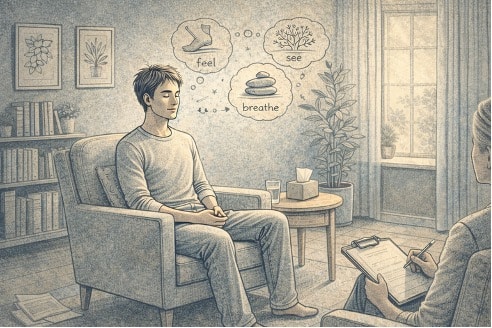
How Therapy Can Support Bipolar Disorder Management
A bipolar diagnosis opens access to treatment options that work — and many of them do not involve medication at all. Therapy plays a central role in helping adults manage their symptoms and develop lasting skills for emotional balance.
CBT helps individuals recognize and reframe distorted thinking patterns that often accompany mood episodes. DBT focuses on building distress tolerance, mindfulness, and interpersonal effectiveness. Mindfulness-based therapies can also help adults become more aware of their mood shifts before they escalate.
Group therapy offers an additional layer of support by connecting people who share similar experiences, reducing the isolation that many adults with bipolar disorder feel. Experiential approaches, such as art or movement-based therapies, can also help individuals process emotions in ways that traditional talk therapy may not fully reach.
The key is finding a program that combines these approaches in a way that fits your life and addresses your specific needs.
How Mission Connection Helps Adults Living With Bipolar Disorder

Bipolar disorder is highly manageable when it is correctly identified. The five signs covered here — mood swings, high-energy episodes, impulsivity, sleep disruptions, and chronic irritability — are not character flaws or permanent states. They are patterns that respond well to structured, evidence-based care. If any of these signs feel familiar, you do not have to figure things out alone. Mission Connection specializes in outpatient mental health care for adults, including those managing bipolar disorder. We offer flexible programs designed to fit into your daily routine, so you can get the support you need without stepping away from work, school, or family responsibilities.
Our treatment approach combines individual therapy, group sessions, and experiential therapy, all grounded in evidence-based methods like CBT, DBT, and mindfulness-based practices. We also offer psychiatric evaluations for those who benefit from a fully coordinated care approach, so every aspect of your support is personalized and aligned.
Whether you are pursuing a first diagnosis or looking for better support for a condition you have been managing on your own, we are here to help.
Frequently Asked Questions (FAQs)
Can bipolar disorder develop later in life?
Yes. While bipolar disorder often appears in late adolescence or early adulthood, it can develop or first be recognized later in life. Symptoms may have been present for years but were misattributed to stress, depression, or personality traits.
Is bipolar disorder always treated with medication?
Not necessarily. Many adults benefit significantly from therapy approaches like CBT and DBT that focus on emotional regulation, coping skills, and mood pattern awareness. Treatment plans should always be individualized based on each person’s specific needs.
How is bipolar disorder different from depression?
Bipolar disorder includes both depressive episodes and periods of elevated mood or energy, known as manic or hypomanic episodes. Depression alone does not include these elevated mood states, which is the key distinguishing factor between the two conditions.
Can you live a fulfilling life with bipolar disorder?
Absolutely. With the right treatment and support, many adults with bipolar disorder lead stable, meaningful lives. Consistent therapy, self-awareness, and a strong support system all contribute to long-term wellness and emotional balance.
What makes Mission Connection a good fit for bipolar disorder treatment?
Mission Connection provides flexible outpatient programs with evidence-based therapies, psychiatric care, and telehealth options across multiple states. Our Joint Commission-accredited facilities and insurance support make quality bipolar disorder treatment accessible and personalized to each individual.