
Putting a Number on Your Sleep Problem
The insomnia checklist with severity index is a seven-item self-assessment that scores your sleep symptoms from 0 to 28 and sorts the total into four bands: no clinical insomnia (0 to 7), mild (8 to 14), moderate (15 to 21), or severe (22 to 28). Each band points to a different next step, from basic sleep hygiene at the low end to structured outpatient care at the high end. Which step fits depends on where your number lands and how long the pattern has been going on.
Sleep complaints are easy to brush off when they feel vague, and that is exactly how short stretches of poor sleep slide into chronic insomnia that touches mood, focus, and daily functioning.
What Counts as Insomnia?
Insomnia is a sleep disorder marked by trouble starting or maintaining sleep, even when you have the time and a comfortable place to rest. Clinicians generally classify it as chronic once symptoms occur at least three nights per week for three months or longer. Anything shorter is usually called short-term or acute insomnia.
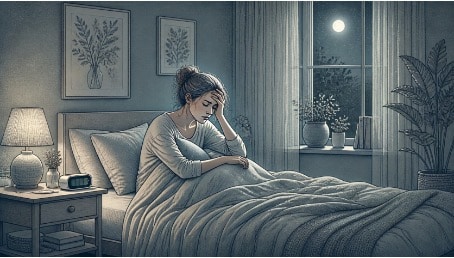
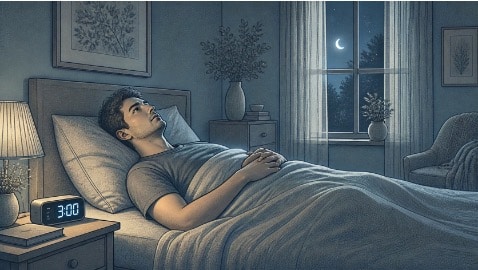
Common signs include lying awake for 30 minutes or more before drifting off, waking repeatedly through the night, or rising too early without being able to return to sleep. Daytime effects often follow, such as fatigue, low mood, poor focus, and irritability.
The condition can stand on its own or appear alongside other mental health concerns like anxiety, depression, or post-traumatic stress. Identifying which is happening shapes the right course of care and influences how quickly your sleep can recover. A clear self-assessment is the first step toward separating a rough patch from a pattern that needs real attention.
The Insomnia Self-Assessment Checklist
This checklist draws from common clinical screening questions used to gauge sleep difficulty. Answer each item based on the past two weeks, using the scoring scale below. Add up your responses for a total severity score between 0 and 28.
Rate each statement on this scale:
- 0 = None / No problem
- 1 = Mild
- 2 = Moderate
- 3 = Severe
- 4 = Very severe
The seven items to rate:
- Difficulty falling asleep at night
- Difficulty staying asleep through the night
- Waking up earlier than desired and unable to return to sleep
- Dissatisfaction with your current sleep pattern
- How noticeable your sleep problem is to others, such as a partner or family member
- How worried or distressed you feel about your sleep
- How much your sleep problem interferes with daily functioning, including work, mood, and concentration
Add the seven numbers together. The sum maps to one of four severity ranges below. Be honest in your answers, since underreporting symptoms can leave you stuck in patterns that quietly worsen. If your situation has shifted recently, retake the checklist after two to three weeks to capture an updated picture.
How Do You Score the Insomnia Severity Index?
Your total score offers a snapshot of how much your sleep is interfering with your wellbeing. Use the ranges below to interpret your number. These thresholds align with the structure clinicians use during standard sleep evaluations.
No Clinically Significant Insomnia (Score 0-7)
A score in this range suggests your sleep difficulties are minor. You may have the occasional restless night, but your overall pattern feels manageable. Basic sleep hygiene practices, like a consistent bedtime, a cool dark bedroom, and limited screen use before bed, are often enough at this stage. Keep an eye on your symptoms if life stress increases.
Mild Insomnia (Score 8-14)
A mild score points to noticeable but limited sleep disruption. You may struggle a few nights per week and feel some fatigue during the day. Self-help strategies and short-term changes to your routine can produce real improvement here. If symptoms continue past several weeks, a check-in with a therapist or doctor adds value and helps prevent the issue from becoming chronic.
Moderate Insomnia (Score 15-21)
Moderate insomnia means your sleep problem is affecting how you feel and function. You likely have trouble most nights, with daytime tiredness, low mood, or reduced focus. At this level, structured treatment such as cognitive behavioral therapy for insomnia tends to outperform self-help alone and produces longer-lasting results. Many people in this range also benefit from screening for anxiety or depression, since the two conditions often feed each other.
Severe Insomnia (Score 22-28)
A severe score indicates major sleep disturbance with clear impact on daily life. You may feel exhausted, anxious about bedtime, or unable to perform well at work or in relationships. Professional care is the right next step. Severe insomnia often pairs with mental health conditions that respond best to outpatient treatment, where sleep, mood, and underlying stressors are addressed together rather than one at a time.

What Does Your Insomnia Score Mean for Daily Life?
Your severity score points to more than how tired you feel. Higher numbers tend to track with greater risk of mood disturbance, weakened immune function, and lower productivity. Many people with moderate to severe scores also notice strain in their relationships and a drop in motivation for activities they used to enjoy.
Lower scores still deserve attention if symptoms drag on. Even mild insomnia can build into chronic patterns once the brain learns to associate the bed with frustration and wakefulness. Catching it early gives you more options and shorter treatment timelines, and it spares you the grind of months of poor sleep before action is taken.
A score also helps you communicate clearly with a clinician. Instead of saying “I sleep poorly,” you can describe specific symptom patterns and provide a numerical baseline. That detail speeds up assessment and treatment planning, and it gives you a way to track progress as you start making changes. Many clients find that watching their score drop session by session is its own form of motivation, since the number reflects real shifts in how they feel during the day.
Turning Your Insomnia Score Into a Real Next Step with Mission Connection

A score of 7 or below usually responds to consistent sleep hygiene, scores of 8 to 14 improve with short-term changes to your routine, and anything from 15 upward signals that structured clinical care is the more reliable path. Tracking the number every few weeks tells you whether your sleep is genuinely improving or quietly slipping further, which is more useful than relying on how rested you felt this morning.
For scores in the moderate to severe range, Mission Connection treats insomnia tied to anxiety, depression, trauma, and bipolar disorder through CBT, DBT, EMDR, and mindfulness-based therapy across in-person care in California, Washington State, and Virginia, plus telehealth across all three. The same score that flagged your insomnia can serve as a baseline your clinician uses to measure progress as your sleep starts to settle.
Frequently Asked Questions (FAQs)
How often should I retake an insomnia self-assessment?
Retaking the checklist every two to four weeks gives you a useful read on whether sleep is improving. If you are working through a treatment plan, your therapist may use the same scoring tool to track progress at regular intervals during sessions and adjust the plan as needed.
Can stress alone push my insomnia score into the severe range?
Yes, acute stress from work pressure, grief, or major life changes can push scores into the moderate or severe range temporarily. Stress-related insomnia often resolves once the situation eases or with short-term therapy that targets the underlying anxiety and the unhelpful sleep behaviors that develop alongside it.
Does the insomnia severity index work the same way for older adults?
The severity index works across adult age groups, including older adults. Sleep changes naturally with age, so clinicians often interpret scores alongside other factors like medical conditions, daily activity, and life circumstances. The total number alone should not drive treatment decisions in older populations.
Is insomnia ever a symptom of another mental health condition?
Often, yes. Insomnia commonly appears alongside anxiety disorders, depression, post-traumatic stress disorder, and bipolar disorder. Treating the primary condition through targeted therapy frequently improves sleep, which is why a thorough mental health assessment matters when insomnia continues for several weeks.
What outpatient services does Mission Connection offer for sleep-related mental health concerns?
Mission Connection provides outpatient therapy across California, Washington State, and Virginia, with both in-person and telehealth options. Our clinicians address insomnia tied to anxiety, depression, trauma, and bipolar disorder using CBT, DBT, EMDR, and other evidence-based methods inside flexible weekly schedules that fit work and family commitments.