
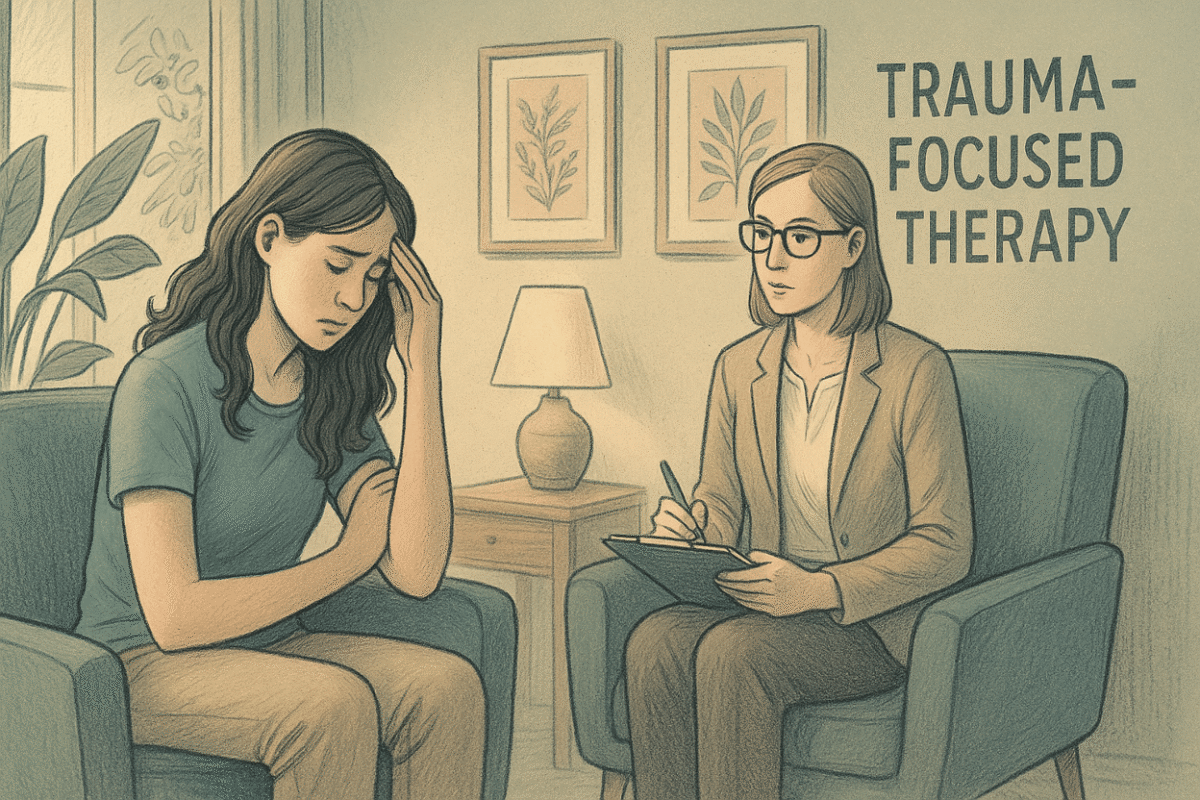

Introduction to Trauma-Focused Therapy for PTSD
Understanding PTSD
Post-traumatic stress disorder (PTSD) can be a debilitating condition, affecting millions worldwide and it’s more than reliving a traumatic event.
It occurs after experiencing or witnessing traumatic events, leading to symptoms like flashbacks, intrusive memories, severe anxiety, nightmares, and heightened reactions to stimuli. But there is hope because trauma-focused therapy is designed specifically to help those with PTSD.
Importance of Therapy
Therapy provides a structured environment where individuals can safely process their traumatic experiences. Besides that, it offers tools and strategies to cope with symptoms, leading to improved mental health and quality of life.
Without therapy, many individuals may continue to struggle with the debilitating effects of PTSD.
Key Techniques in Trauma-Focused Therapy
Cognitive Behavioral Therapy (CBT)

CBT focuses on changing negative thought patterns that can contribute to emotional distress. Through CBT, individuals learn to identify and challenge these thoughts, replacing them with more balanced and realistic ones.
For example, someone who believes “I am never safe” can work to develop a more balanced thought like “I am safe now, and I can take steps to protect myself.” This shift in thinking can significantly reduce anxiety and improve overall well-being.
Eye Movement Desensitization and Reprocessing (EMDR)
EMDR is a unique approach that uses bilateral stimulation, often in the form of guided eye movements, to help process and integrate traumatic memories. This method helps the brain reprocess memories, reducing their emotional charge and making them less intrusive.
Research shows that EMDR can be particularly effective for those who have not responded well to other forms of therapy, providing a different pathway for healing by directly targeting the brain’s natural processing abilities.
Somatic Experiencing

Developed by Dr. Peter Levine, this approach recognizes that traumatic stress symptoms result from incomplete self-protective responses that remain “trapped” in the body.
In sessions, therapists guide patients to become aware of bodily sensations associated with trauma. By slowly tracking these sensations in a safe environment, individuals can complete defensive responses that were originally interrupted during traumatic events. This process helps discharge excess energy and restore the nervous system to a state of balance.
Narrative Exposure Therapy
Narrative Exposure Therapy (NET) helps trauma survivors create a coherent narrative of their life experiences, including traumatic events. This approach is particularly effective for individuals who have experienced multiple traumas, such as refugees or survivors of ongoing abuse.
During NET sessions, the therapist works with the individuals to construct a chronological narrative of their life, paying special attention to traumatic experiences. As you tell and retell your story, traumatic memories become contextually integrated into your broader life story, reducing their fragmented and intrusive nature.
Pros of Trauma-Focused Therapy
Reducing PTSD Symptoms
One of the primary benefits of trauma-focused therapy is the reduction of PTSD symptoms. Techniques like CBT and EMDR specifically target the distressing memories and thoughts associated with trauma. By processing these memories, individuals often experience fewer flashbacks and nightmares, allowing them to engage more fully in daily life.
Improved Coping Mechanisms
Trauma-focused therapy equips individuals with the tools to better manage their symptoms. Through techniques learned in therapy, such as grounding exercises and cognitive restructuring, individuals can effectively cope with triggers and stressors.
Enhancement of Self-Esteem
Trauma can significantly impact one’s self-esteem, often leading individuals to feel broken or unworthy. Trauma-focused therapy helps to rebuild self-esteem by encouraging you to recognize your strengths and resilience. Through therapy, individuals often gain a clearer understanding of their intrinsic value, separate from their traumatic experiences.
Strengthening Relationships

Trauma-focused therapy aids personal healing and enhances interpersonal skills. By learning to communicate effectively and manage emotional responses, you can foster healthier and more supportive relationships.
Additionally, therapy can help loved ones understand the challenges of PTSD, promoting empathy and patience in relationships. This mutual understanding often leads to stronger, more resilient connections.
Cons of Trauma-Focused Therapy
Gap Between Research and Practice
Although trauma-focused therapies are supported by extensive research, there can be a gap between clinical trials and real-world application. Factors such as therapist availability, training, and resources can affect the delivery of these therapies. Therefore, seek out qualified professionals who are experienced in trauma-focused techniques.
Potential Increase in Distress
Engaging in trauma-focused therapy can sometimes lead to increased distress, especially when confronting painful memories. This initial discomfort is often a natural part of the healing process, as individuals work through their trauma.
However, with the guidance of a skilled therapist, this distress can be managed and gradually reduced. Communicate openly with your therapists about any discomfort you experience so that adjustments can be made when needed.
Barriers to Accessing Therapy
Access to trauma-focused therapy can be limited by various barriers, including cost, availability of trained therapists, and geographical location. Additionally, societal stigma surrounding mental health can deter individuals from seeking the help they need.
To overcome these barriers, individuals are encouraged to try different options, such as online therapy platforms or community mental health resources. Advocacy and awareness efforts are also essential in reducing stigma and increasing access to mental health services.
Mission Connection’s Approach to Trauma Healing
Trauma-focused therapy offers powerful techniques for PTSD recovery, each with unique benefits and considerations. At Mission Connection Healthcare, we understand the complex nature of trauma and provide comprehensive, evidence-based treatment options customized to your specific needs.

Whether you benefit most from CBT’s cognitive restructuring, EMDR’s memory processing, Somatic Experiencing’s body-focused approach, or Narrative Exposure Therapy’s storytelling technique, our team has the expertise to guide your healing journey. We recognize that while therapy may sometimes feel challenging as you confront difficult memories, this process leads to lasting relief and recovery.
Don’t let access barriers prevent you from healing. Mission Connection Healthcare offers both in-person and telehealth options, making quality trauma therapy accessible regardless of your location.
Contact us today to begin your personalized treatment plan and experience the difference that specialized trauma therapy can make.
Frequently Asked Questions (FAQ)
How effective is trauma-focused therapy for PTSD?
Trauma-focused therapy has been shown to be highly effective in reducing PTSD symptoms. Studies indicate that many individuals experience significant improvements in their symptoms, with some achieving complete remission. The effectiveness largely depends on the individual’s commitment to the process and the quality of the therapeutic relationship.
What is the success rate of EMDR for PTSD?
EMDR is considered a highly effective treatment for PTSD, with success rates varying between 60% to 90% depending on the study. This therapy has been endorsed by numerous mental health organizations worldwide, and many individuals report substantial reductions in PTSD symptoms after completing EMDR therapy.
Can trauma-focused therapy be done online?
Yes, trauma-focused therapy can be conducted online. Many therapists offer virtual sessions, making therapy more accessible to those who may not have access to in-person services. Online therapy can be just as effective as face-to-face sessions, provided that the therapist is experienced in delivering trauma-focused interventions in a virtual format.
How long does trauma-focused therapy take?
The duration of trauma-focused therapy varies depending on the individual’s needs and the severity of their symptoms. Some people may see improvements in a few sessions, while others may require several months of therapy, especially if their trauma is complex.
What mental health services does Mission Connection offer for trauma therapy?
At Mission Connection Healthcare, we offer in-person and telehealth options, making trauma therapy accessible regardless of location. Our approach creates a safe, supportive environment where individuals can explore feelings and experiences related to trauma.