
- Pounding heart or high heart rate
- Shortness of breath
- Chest pain
- Tightness around the throat
- Feeling dizzy or lightheaded
- Feeling hot or sweaty
- Experiencing shaking or chills
- Stomach problems
- Tingling or numb sensations in your arms or legs
- Tense muscles
- Dry mouth
Understanding Anxiety: Triggers, Warning Signs, and Long-Term Effects

You’ve got butterflies in your stomach and feel slightly breathless, but it isn’t excitement or love: it’s anxiety. Anxiety is something everyone experiences. It’s often what keeps us safe and alert when crossing the road, or makes us prepare for presentations.
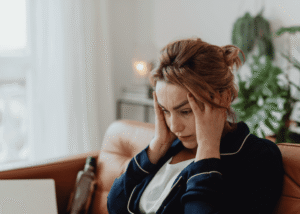
But when anxiety starts taking over our lives, it’s time to take a closer look. If you have racing thoughts, a pounding heart, or an uneasy feeling that you just can’t shake off, don’t ignore it. You might think these are everyday experiences, but they may be a sign of something more serious.
Understanding what’s happening in your mind and body when you have anxiety is a crucial first step toward healing. Anxiety conditions are treatable with the right help and support. A mental health professional can guide you through the right treatment options for your needs.

Key Takeaways
- Anxiety is a normal stress response, but when worry, fear, and physical symptoms don’t let up, it may signal an anxiety disorder that’s treatable with the right support.
- Common anxiety triggers include life stress, trauma, major life changes, family history, chronic health conditions, medication side effects, and chemical imbalances.
- Anxiety can show up in the body, thoughts, and behavior (like racing thoughts, avoidance, reassurance-seeking, sleep problems), and untreated anxiety can affect health, focus, and relationships.
- Mission Connection supports adults with individualized anxiety care, including therapy, medication management, virtual appointments, support groups, intensive programs, and 24/7 residential care (with HIPAA-compliant services and recognized certifications).
Types of Support for Anxiety
Get help today.
What Is Anxiety?
It’s normal to occasionally worry about things such as money or health. But if you start to feel intensely anxious and perhaps overwhelmed by your worries, what you’re experiencing may not be normal anxiety. You might have an anxiety disorder.
Although it might feel like you’re alone in your feelings, anxiety disorders are actually very common. In the United States, nearly one in five adults has an anxiety condition.[1] For these people, anxiety isn’t an occasional worry crossing their mind: these overwhelming feelings don’t go away.
What Causes Anxiety?
Everyone is unique, so what triggers anxiety can vary from person to person. However, some of the most common anxiety triggers are:[2][3]
- Life stress
- Family history of anxiety
- Trauma
- Major life changes
- Chronic health conditions
- Side effects of medications
- Chemical imbalances
How Does Anxiety Affect the Brain?
It’s thought that certain neurotransmitters, such as norepinephrine, serotonin, dopamine, and gamma-aminobutyric acid (GABA), can contribute to an anxiety disorder if their levels are imbalanced. But why is this the case?
Norepinephrine plays a huge role in your body’s fight-or-flight response: the threat detection system in your brain. Serotonin helps to control and regulate your mood, while GABA has a calming effect on your brain. Dopamine is also involved in mood regulation, as well as the fight-or-flight system.[4]
If these chemicals are out of balance, the effects are very noticeable. Your mood gets worse, your fight or flight sensitivity has the dial turned up to eleven, and you don’t have enough of those calming brain chemicals to help out. You’re left in a constant state of anxiousness.
But you don’t have to stay rooted in anxiety. Treatment is available, and recovery is achievable. Now that you understand more about how anxiety works, let’s look at some of the important signs and symptoms that tell you whether you may have an anxiety disorder.
How to Recognize Anxiety in Adults
As we’re all individual, anxiety can affect us in different ways, but there are some common symptoms. Here’s an anxiety symptoms checklist to help you identify the main signs of anxiety:[4]
Physical symptoms of anxiety:
Cognitive or emotional signs of anxiety:
- Feeling nervous, tense, or wound up
- Being frightened, edgy, or jittery
- Irritability or frustration
- Worrying that you will lose control or go crazy
- Having scary thoughts or images in your mind
- Poor concentration or focus
- Confused or not being able to remember things easily
- Hyper-awareness of threats
Behavioral indicators of anxiety:
- Avoiding places or situations where you feel anxious
- Checking for escape routes
- Asking repeatedly for reassurance
- Feeling paralysed by fear
- Jumpiness or being easily startled
- Sleeping problems
If you recognize a couple of these symptoms in yourself, then you might be experiencing an anxiety disorder. Additionally, there are different types of anxiety disorders that you can have, which we’ll discuss in detail next.
Types of Anxiety Disorders
According to the American Psychiatric Association’s Diagnostic and Statistical Manual of Mental Disorders (‘DSM-5), anxiety disorders can include:[4]
- Generalized Anxiety Disorder
- Social Anxiety Disorder
- Phobias
- Panic Disorder
Let’s take a look at each of these in turn.
Generalized Anxiety Disorder
Generalized anxiety disorder symptoms typically include worrying excessively and constantly about different things in your life, whether that’s work, school, finances, or health. In other words, if there is something you could possibly worry about, you probably will.
Social Anxiety Disorder
If you have social anxiety, you probably avoid being in social situations or groups of people, especially where you could be negatively judged. You may fear being embarrassed or humiliated, or even worry that you might offend others unintentionally.
Phobias
A phobia is when you have a very intense fear of something specific, for instance, flying, or perhaps animals such as spiders. If you have a phobia, you likely go out of your way to avoid situations that may involve the subject of your fear.
Panic Disorder
If you have panic attacks persistently and worry about having more panic attacks, you might have panic disorder. Panic attacks are sudden surges of intense fear, often accompanied by physical symptoms like heart palpitations, sweating, and feeling short of breath. You may even be scared that you are going crazy or that you are having a heart attack. Because these attacks can be so severe, people with panic disorder often avoid being in places or situations where they think another panic attack may occur.
As may be clear, anxiety can make daily life feel like a constant struggle. But what happens if you don’t get treatment for your anxiety? We will dive into this next.
Long-Term Effects of Anxiety
According to the American Medical Association (AMA), untreated anxiety long-term effects include a higher risk of developing cardiovascular disease, high blood pressure, worsening of pain conditions, and other medical issues.[5]
Aside from these physical risks, anxiety can impact your social life and relationships. It can also make it much more difficult to concentrate and focus, and you might find yourself starting to forget things, which might affect your work.
Additionally, some anxiety disorders can make medical conditions worse, or even trigger them, such as depression, insomnia, and stomach problems.[4]
The thing is, conditions like anxiety don’t just go away on their own. Most people need treatment, whether that’s therapy or medication, to recover. Anxiety is a completely treatable medical condition; there’s no need to suffer in silence.
How to Cope With Chronic Anxiety
If your mind is overrun with constant worries and you feel a knot of dread in your stomach more often than not, remember that many people experience this. However, the following tips for managing anxiety can help you regain a sense of control over your life.
Eat for Your Wellbeing
Although changing what you eat won’t necessarily cure your anxiety, it can help manage some of the symptoms. For instance, wholegrain foods are thought to increase the amount of serotonin in your brain, which can help regulate your mood. On the flip side, sugary foods and drinks can make you feel worse, as they can cause highs and lows from sugar rushes and crashes.[6]
Move Your Body
Exercise can improve your physical well-being as well as reduce symptoms of depression and anxiety.[7] This is because, when you exercise, your body releases endorphins, which are the “feel-good” chemicals in your body. Studies have shown that as little as 20 minutes of physical activity can improve your anxiety and mood for hours afterwards.[8],[9] Our article about the benefits of exercise for mental health can help you understand more.
Prioritize Sleep
We know anxiety can cause sleepless nights filled with uncontrollable worries, but did you know that sleep deprivation can make anxiety worse?[10] Lack of sleep and increasing anxiety can become a vicious cycle, so make sure that sleep is a priority for you. For instance, try creating a bedtime routine that includes relaxing before sleep to help you drift off more easily.
Mindfulness Practices
We’re all familiar with the feeling of pressure and overwhelm from having a thousand things to do and think about. Mindfulness is kind of the opposite of this. It’s about being present in the here and now. Studies show that mindfulness can reduce anxiety symptoms, as it helps the mind slow down.[11] If you’re interested in learning more about mindfulness or grounding techniques, check out our resources below:
Write It Out
Journaling, or writing down your thoughts and feelings, can be a really useful strategy for tackling anxiety. Getting your thoughts out of your head and onto paper can feel cathartic and bring a sense of relief. Plus, over time, you may be able to identify patterns in how your thoughts and feelings affect each other and discover ways to make changes. Science also backs up the benefits of journaling, with studies finding that it can decrease anxiety symptoms and improve your mental well-being.[12] If you’re eager to find out more, check out our resource, Journaling for Mental Health.
Mental Health Support for Anxiety
Sometimes, no matter how hard you try, self-help and coping strategies aren’t enough to bring relief by themselves. If your symptoms are getting worse, affecting your daily life, or causing you distress, it may be time to seek professional support.
Fortunately, help is at hand when it comes to conditions like anxiety – treatment can be highly effective at reducing symptoms and bringing about lasting change. The two main treatments you will come across for anxiety conditions are:4
- Therapy: Talking therapies, particularly cognitive behavioural therapy (CBT), can bring about lasting change when it comes to anxiety. CBT helps you to understand how your thoughts, feelings, beliefs, and behaviours interact and can keep anxiety symptoms going. You can then challenge unhelpful thoughts or beliefs and learn new techniques to manage anxiety.
- Medication: Antidepressant medications such as selective serotonin reuptake inhibitors (SSRIs) are usually the first type of medication used to treat anxiety. However, it can take several weeks before SSRI benefits kick in, so you may be prescribed short-term anti-anxiety medications such as benzodiazepines to bring you relief in the meantime.
If you feel like you’re in a constant battle with your mind, reach out and get support. You deserve to get the help and treatment you need to feel capable of living your life to the full once more.
Finding Help for Anxiety
Dealing with anxiety can feel like you’re fighting a war with your mind. But this is one battle you don’t have to face alone. Help is available, and we are here to support you.
At Mission Connection, we can help you find relief from anxiety. We work with you to create a treatment plan designed just for you so that you can reach your goals. Our services include medication management, therapy, virtual appointments, support groups, intensive recovery programmes, and 24/7 residential care, so we can support you in ways that feel right for you.
We know that the cost of treatment can be a concern, especially if you have anxiety. For this reason, we offer a range of payment options, including sliding scale fees for those in financial need. For more details, check out our costs page. Start admission online or contact us today at 866-833-1822 to talk to our friendly advisors and find out how we can help you find the relief you’re looking for.
Anxiety FAQs
How do I know if what I’m feeling is “normal” anxiety or an anxiety disorder?
It’s normal to worry sometimes, especially during stressful seasons. If anxiety feels intense, sticks around, or starts interfering with your sleep, work, relationships, or daily routines, it may be time to get a professional opinion and a plan that fits your needs.
What are some common signs of anxiety I should watch for?
Anxiety can show up as persistent worry, racing thoughts, fear that feels hard to control, and physical symptoms like a pounding heart or feeling short of breath. You might also notice behaviors like avoiding certain places, scanning for “escape routes,” seeking repeated reassurance, or having ongoing sleep trouble.
Can anxiety affect my physical health long-term?
Yes. When anxiety is left untreated, it can contribute to long-term strain on the body and may worsen other health concerns. It can also impact concentration, memory, and relationships—so getting support is not just helpful emotionally, but physically too.
What helps with chronic anxiety day to day?
Small, consistent habits can make a real difference—like prioritizing sleep, moving your body, practicing mindfulness or grounding skills, and journaling to reduce mental overload and notice patterns. These tools work best when paired with a broader treatment plan if symptoms are persistent.
What kind of treatment do you offer for anxiety at Mission Connection?
We collaborate with you to build an individualized plan that may include therapy (such as CBT), medication management when appropriate, virtual appointments, support groups, and higher levels of care when needed—including intensive programs and 24/7 residential support. We’ll help you find the level of care that feels right and supports lasting change.
References
- National Alliance on Mental Illness (2025). Anxiety disorders. National Alliance on Mental Illness https://www.nami.org/about-mental-illness/mental-health-conditions/anxiety-disorders/
- American Psychiatric Association (2023). What are anxiety disorders? American Psychiatric Association https://www.psychiatry.org/patients-families/anxiety-disorders/what-are-anxiety-disorders
- Mayo Clinic (2018). Anxiety disorders. Mayo Clinic https://www.mayoclinic.org/diseases-conditions/anxiety/symptoms-causes/syc-20350961
- Chand, S. P., & Marwaha, R. (2023). Anxiety. StatPearls Publishing https://www.ncbi.nlm.nih.gov/books/NBK470361/
- American Medical Association (2025). What doctors wish patients knew about managing anxiety disorders. American Medical Association https://www.ama-assn.org/delivering-care/public-health/what-doctors-wish-patients-knew-about-managing-anxiety-disorders
- Mayo Clinic (2024). Coping with anxiety: can diet make a difference? Mayo Clinic https://www.mayoclinic.org/diseases-conditions/generalized-anxiety-disorder/expert-answers/coping-with-anxiety/faq-20057987
- Carek, P. J., Laibstain, S. E., & Carek, S. M. (2011). Exercise for the treatment of depression and anxiety. The International Journal of Psychiatry in Medicine https://doi.org/10.2190/pm.41.1.c
- Rafi, M. (2021). Impact of exercise on mental health: a brief overview. Science Archives https://sciencearchives.org/wp-content/uploads/2021/03/Science-Archives-2021-Vol.-2-1-9-13-3.pdf
- Paluska, S. A., & Schwenk, T. L. (2000). Physical activity and mental health: current concepts. Sports Medicine https://doi.org/10.2165/00007256-200029030-00003
- Suni, E. (2024). Anxiety and sleep. Sleep Foundation https://www.sleepfoundation.org/mental-health/anxiety-and-sleep
- Hofmann, S. G. et al. (2010). The effect of mindfulness-based therapy on anxiety and depression: a meta-analytic review. Journal of Consulting and Clinical Psychology https://pmc.ncbi.nlm.nih.gov/articles/PMC2848393/
- Tee-Melegrito, R. A. (2022). How to journal for anxiety. Medical News Today https://www.medicalnewstoday.com/articles/how-to-journal-for-anxiety