
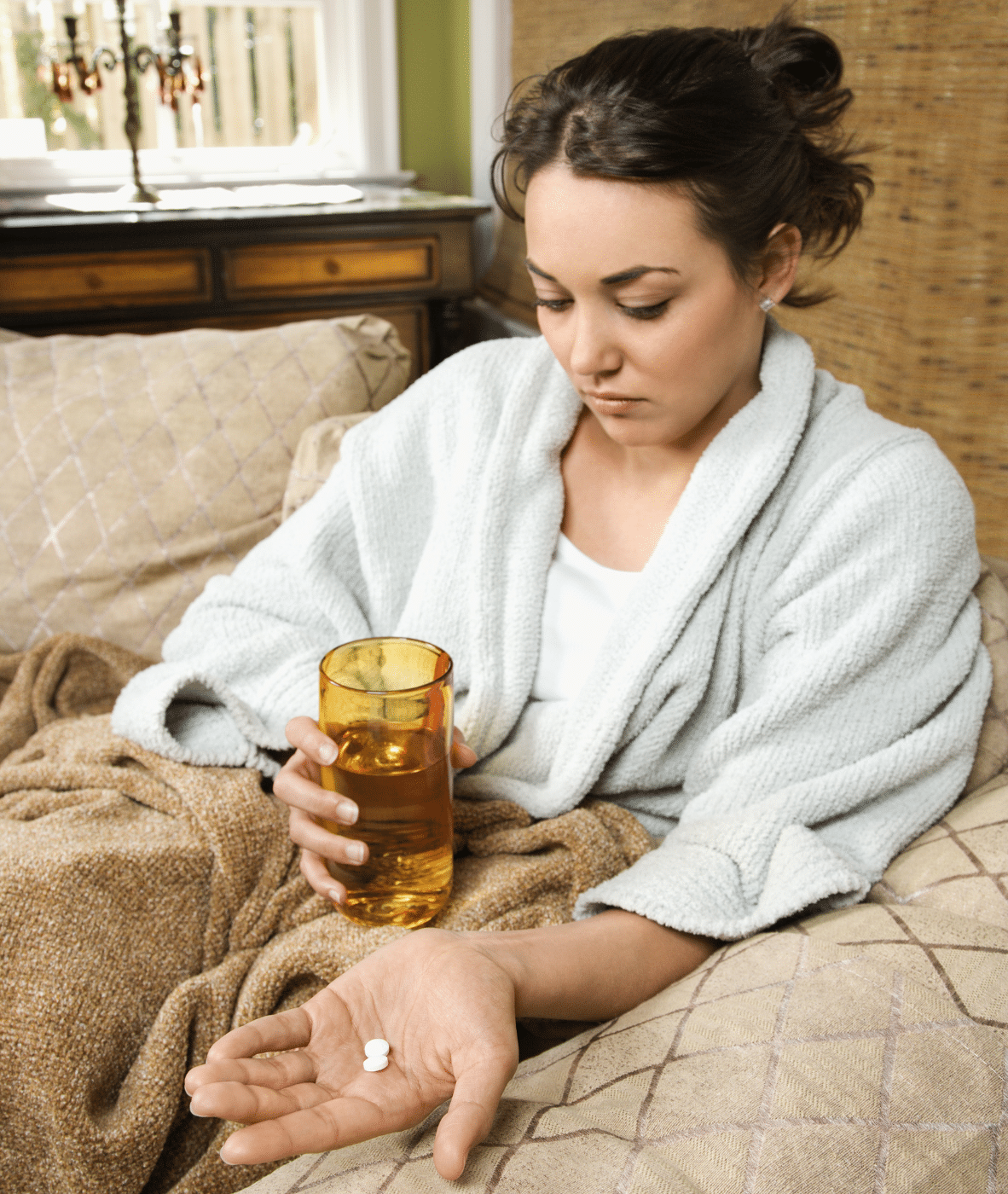
If you live with depression, you’ll know how much it can affect your life: your mood, appetite, social life, motivation, and so much more. That’s why finding the right treatment is the key to feeling better and living your life again.
The National Institute for Clinical Excellence (NICE) guidelines recommend various treatments for depression based on your symptoms, including medication, cognitive behavioural therapy (CBT), exercise, group therapy, guided self-help, and mindfulness.
Medication is crucial in managing and relieving depression symptoms for many people, and there are different types available to suit your individual needs. In this article, we’ll look at some of the most-used antidepressants, how they work, their pros and cons, and some alternative options for you to consider.[1]
Antidepressants are thought to work by boosting chemicals in the brain linked to our mood and emotions, called neurotransmitters. While they can help improve your mood, they don’t address other causes of depression, so they are often used alongside other therapies to achieve the best results for you.[2]
Most Effective Types of Depression Medications
Different types of medications for depression work in unique ways on specific chemicals in the brain. That means people can have very different experiences and results when it comes to trying the various medications. Overall, research shows that antidepressants can help to improve symptoms of depression in adults, especially if your symptoms are more severe.
SSRIs for Depression
Selective serotonin reuptake inhibitors (SSRIs) allow you to get extra benefit from a chemical in the brain called serotonin, which helps regulate your mood. SSRIs are usually the first type of antidepressant tried with patients because they often have fewer side effects than other medications.[2] Some of the more well-known SSRIs include Sertraline and Escitalopram.
Many studies have been carried out into how effective SSRIs are as a treatment for depression, and they have been found to be more effective with a good response from patients.[3]
SNRIs for Depression
Serotonin-norepinephrine reuptake inhibitors (SNRIs) work in a way similar to SSRIs, but they also have an effect on the norepinephrine in your brain, which is a chemical and a stress hormone. It has a big impact on your fight-and-flight response and can also affect your moods. SNRIs aim to boost the positive effects of serotonin and norepinephrine in the brain.
Studies show the importance of norepinephrine in mood and depression, so it can be beneficial to target both chemicals if you have tried other antidepressants and not had the relief from symptoms that you were hoping for.[4]
It can also be a treatment choice if you experience anxiety as well as depression, due to its effect on the fight-and-flight response. Some of the most well-known SNRIs are Venlafaxine and Duloxetine.
Tricyclic Antidepressants
Tricyclic antidepressants (TCAs) are less frequently used medications as they tend to have more unpleasant side effects than SSRIs or SNRIs. However, they can be useful if you find that those medications aren’t working well for you.[2] They work by boosting serotonin and norepinephrine in your brain, however, they also affect other chemicals in your body, which can increase the likelihood of unpleasant side effects. Some common TCAs include amitriptyline and clomipramine.
Studies have shown that TCAs are more effective at reducing depression symptoms than a placebo, however, all note the issues of unpleasant side effects.[5]
MAOIs for Depression
Monoamine-oxidase inhibitors (MAOIs) work similarly to SNRIs to boost the amount of serotonin and norepinephrine in our brains. They are usually considered if you are having problems with SSRIs, SNRIs, or TCAs because MAOIs can have bad reactions to certain foods and medications.[6]
If MAOIs are used while eating foods with large amounts of a chemical called tyramine, you can end up with higher blood pressure than before. Some of these foods include matured/aged cheese, salami, broad bean pods, marmite, and soy sauce.
Studies have shown that MAOIs have a greater effect on depressive symptoms than a placebo or TCAs, and are similar to SSRIs in that regard.[7] Some of the more common MAOIs are tranylcypromine and isocarboxazid.
Atypical Antidepressants
Atypical antidepressant medications include those which aren’t in the main four groups above. The way they work varies, with some working on serotonin, norepinephrine, dopamine, or a combination. Some of the medications in this group are Buproprion and Mirtazapine.
In studies, people using mirtazapine for antidepressant medication showed significant improvements in their symptoms within the first two weeks of treatment, with continued improvements after that. It is better than a placebo, and just as good as TCAs but with fewer side effects.[8]
Benefits of Antidepressants
Now you know a bit about each of the types of antidepressants available, let’s look at some of their main benefits[9]:
Improved Mood
Antidepressant medications target different brain chemicals linked to mood. This means you may feel your mood lift and feel more capable of doing things that felt impossible while you were deep in depression.
Clearer Headspace
These medications can help feel clear of the mental fog you may have been feeling, and let you feel more able to engage with other types of support, like therapy or exercise, to help your recovery even more.
They Work Fast
Many people start feeling improvements in their mood within as little as a few weeks of starting medication, which can help them feel better faster.
They’re Safe to Use
Research has shown that antidepressants are more effective than placebos, and they are generally safe when you use them as prescribed.
Risks of Antidepressants
While medication for depression can offer benefits, it also comes with potential risks. Some of these are listed below:
Side Effects
Like any medication, antidepressants have the potential to cause side effects, which can range from mild to more severe. Some of the most common depression medication side effects include headaches, nausea, or drowsiness. They might be unpleasant at first, but generally, they will improve over time. Your healthcare provider can talk through the side effects of the medications to help assess if a particular antidepressant is the best fit for you.[10]
One Size Doesn’t Fit All
Not every antidepressant will work for everyone, so you may need to try different options to find the one that works best for you.
May Alter Your Sex Drive
Studies have shown that some antidepressants can reduce your libido or affect your sexual functioning, although this varies by individual.[11]
Dangerous if You Suddenly Stop Taking Them
If you stop taking antidepressants suddenly, you can experience withdrawal symptoms. You should always talk with your doctor before you make changes to your medication regimes.[12]
Natural Alternatives to Antidepressants
Antidepressants aren’t the only option when it comes to treatments for depression. There are a range of natural options available that you can use either alongside or in place of medications including exercise, therapy, and alternative therapies.
Physical Activity for Depression
Physical activity, a.k.a exercise has been shown to lessen symptoms of depression and anxiety and is associated with improved feelings of well-being.[13]
It also compares favorably to antidepressant medications when used to treat mild depression. Exercise causes endorphins to be released in your body, which can have mood-boosting effects.[14] It can also be a good distraction from worries and negative thoughts.
Therapy for Depression
While medication focuses on relieving the symptoms of depression, therapy can help with any underlying problems that may be triggering and keeping the depression going. It can help you to find coping strategies that work for you and allow you to discover what can trigger these strong feelings inside you, which helps to create long-lasting change.[15]
Alternative Therapies for Depression
Finally, there are a range of alternative therapies for depression which can be used alongside other therapies already mentioned:
- Meditation– medical imaging has shown that meditation can make positive changes in the brain to help you through depression.[16] On a practical level, meditation can reduce your stress levels, make you feel more grounded in the present, and improve your focus.
- Massage – massage can also help to lower stress levels and make you feel more relaxed. Some studies have been carried out into the use of massage for depression, and while the current data suggest that it can help with mood problems, there isn’t enough evidence of its effectiveness as a therapy on its own for depression.[17]
- Arts and Creativity – arts and creative therapies can help you to express feelings that you might have trouble getting out. You can use paint, clay, music, and almost any type of craft or creative thing. It can also help you deal with your symptoms and provide distraction.[18]
Speak to a Mental Health Professional Today
If you’re struggling with depression, you don’t have to face it alone. Seeking out help is a brave first step towards feeling better, and we are here to support you. Here at Mission Connection, we have a team of experienced professionals who can help you on your road to recovery. Contact us now to schedule your initial consultation, where we can assess your needs and help you choose the best course of action to feel better.
Depression Medication FAQs
What medications are used to treat depression?
Common medications include antidepressants such as SSRIs or SNRIs; older types like tricyclic antidepressants (TCAs) may be used when first‑line options aren’t effective.
Why are TCAs used less often today?
TCAs tend to cause more side effects because they affect multiple brain chemicals — so providers usually start with better‑tolerated medications first.
Can medication alone cure depression?
Medication often helps relieve symptoms, but combining it with therapy, lifestyle changes, or other supports generally leads to better, lasting results.
What should I discuss with my provider before starting antidepressants?
Talk about possible side effects, how long treatment may last, and whether combining medication with therapy or other treatments makes sense for you.
How is the decision made whether to use medication for depression?
It depends on the severity of symptoms, response to other treatments, personal history, and a comprehensive assessment — often as part of a tailored treatment plan.
References
- National Institute for Health and Care Excellence (2022). Depression in adults: treatment and management (nice guideline (ng222)). National Institute for Health and Care Excellence. https://www.nice.org.uk/guidance/ng222/chapter/recommendations#table-1
- NHS (2024). Overview – antidepressants. NHS. https://www.nhs.uk/mental-health/talking-therapies-medicine-treatments/medicines-and-psychiatry/antidepressants/overview/
- Cipriani, A. et al. (2018). Comparative efficacy and acceptability of 21 antidepressant drugs for the acute treatment of adults with major depressive disorder: a systematic review and network meta-analysis. Lancet (London, England), 391(10128), 1357–1366. https://doi.org/10.1016/S0140-6736(17)32802-7
- Moret, C., & Briley, M. (2011). The importance of norepinephrine in depression. Neuropsychiatric Disease and Treatment, 7(Suppl 1), 9–13. https://doi.org/10.2147/NDT.S19619
- Kamp, C. B. et al. (2024). Beneficial and harmful effects of tricyclic antidepressants for adults with major depressive disorder: a systematic review with meta-analysis and trial sequential analysis. BMJ Mental Health, 27(1), e300730. https://doi.org/10.1136/bmjment-2023-300730
- Chamberlain, S. R. et al. (2020). Use of monoamine oxidase inhibitors (maois) in psychiatric practice. Royal College of Psychiatrists. https://www.rcpsych.ac.uk/docs/default-source/improving-care/better-mh-policy/position-statements/ps03_20.pdf?sfvrsn=bc814c70_2#:~:text=Approximately%20two%20thirds%20 of%20 patients,people%20with%20’atypical’%20symptoms.
- Henkel, V. et al. (2006). Treatment of depression with atypical features: a meta-analytic approach. Psychiatry Research, 141(1), 89–101. https://doi.org/10.1016/j.psychres.2005.07.012
- Fawcett, J., & Barkin, R. L. (1998). Review of the results from clinical studies on the efficacy, safety and tolerability of mirtazapine for the treatment of patients with major depression. Journal of Affective Disorders, 51(3), 267–285. https://doi.org/10.1016/s0165-0327(98)00224-9
- Mind (2020). How can antidepressants help me? Mind. https://www.mind.org.uk/information-support/drugs-and-treatments/antidepressants/how-antidepressants-can-help/
- American Psychological Association (n.d.). Depression treatments for adults. American Psychological Association. https://www.apa.org/depression-guideline/adults
- Atmaca, M. (2020). Selective serotonin reuptake inhibitor-induced sexual dysfunction: current management perspectives. Neuropsychiatric Disease and Treatment, 16, 1043–1050. https://doi.org/10.2147/NDT.S185757
- Healthline (2024). Antidepressants 101: pros and cons. Healthline. https://www.healthline.com/health/depression/antidepressants-pros-and-cons#disadvantages
- Carek, P. J., Laibstain, S. E., & Carek, S. M. (2011). Exercise for the treatment of depression and anxiety. The International Journal of Psychiatry in Medicine, 41(1), 15–28. https://doi.org/10.2190/PM.41.1.c
- Craft, L. L., & Perna, F. M. (2004). The benefits of exercise for the clinically depressed. Primary Care Companion to the Journal of Clinical Psychiatry, 6(3), 104–111. https://doi.org/10.4088/pcc.v06n0301
- British Association for Counselling and Psychotherapy (2022). Depression | how counselling can help. British Association for Counselling and Psychotherapy. https://www.bacp.co.uk/about-therapy/what-therapy-can-help-with/depression/
- Annells, S., Kho, K., & Bridge, P. (2015). Meditate don’t medicate: how medical imaging evidence supports the role of meditation in the treatment of depression. Radiography, 22(1), e54–e58. https://doi.org/10.1016/j.radi.2015.08.002
- Rapaport, M. H. et al. (2018). Massage therapy for psychiatric disorders. Focus (American Psychiatric Publishing), 16(1), 24–31. https://doi.org/10.1176/appi.focus.20170043
- Mind (2020). What are the alternatives to antidepressants? Mind. https://www.mind.org.uk/information-support/drugs-and-treatments/antidepressants/alternatives-to-antidepressants/