Understanding Conduct Disorder Beyond Childhood
You might be questioning whether behavioral patterns you’ve struggled with have a name or diagnosis. Perhaps you’re wondering if childhood conduct issues have followed you into adulthood, or you’re trying to understand someone in your life whose actions seem to follow familiar, troubling patterns.
Conduct disorder raises important questions for adults. The diagnosis itself exists primarily for children and adolescents, yet the behaviors and patterns don’t always disappear when someone turns 18. Understanding what happens to these patterns in adulthood, and how mental health professionals assess them, helps you recognize when it’s time to seek support.
What Is Conduct Disorder? The Basics
Conduct disorder describes a persistent pattern of behavior where someone repeatedly violates social norms and the rights of others. They’re consistent patterns that create significant problems in relationships, school, work, and community settings.
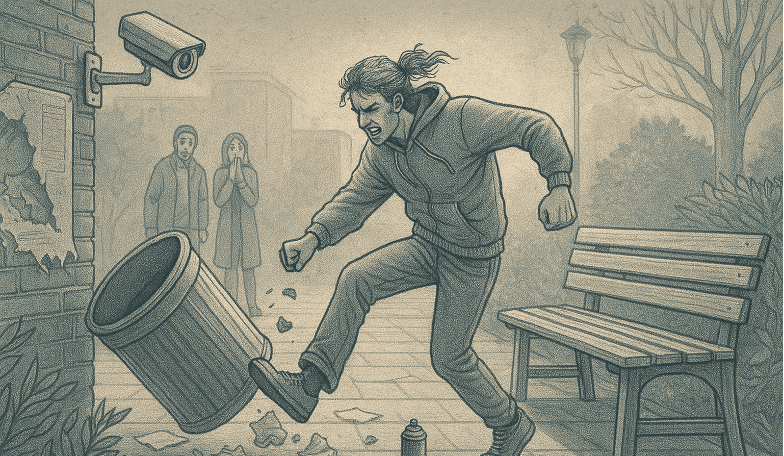
The hallmark behaviors include aggression toward people or animals, destruction of property, deceitfulness, and serious rule violations. Young people with conduct disorder might engage in bullying, fighting, cruelty, theft, or deliberately damaging things that belong to others.
Mental health professionals typically diagnose conduct disorder during childhood or adolescence, specifically before age 18. The diagnosis requires that these behavioral patterns have been present for at least 12 months, with at least one symptom present in the past six months. This timing matters significantly when considering whether adults can receive this diagnosis.
Can Adults Actually Have Conduct Disorder?
Here’s where diagnosis gets nuanced: adults don’t typically receive a new conduct disorder diagnosis. The diagnostic criteria specifically apply to individuals under 18 years old. However, this doesn’t mean the behavioral patterns simply vanish on someone’s 18th birthday.
When conduct disorder symptoms persist into adulthood, mental health professionals usually diagnose Antisocial Personality Disorder instead. This diagnosis requires evidence that conduct disorder patterns were present before age 15, even if the person wasn’t formally diagnosed at the time. Think of it as the adult version of the same underlying issues—the behaviors evolve and manifest differently with age, but the core patterns remain connected.
Some adults seek mental health support later in life and discover through a comprehensive assessment that their current struggles trace back to undiagnosed conduct issues during childhood. You might not have received a diagnosis as a young person, but understanding these historical patterns helps explain present-day challenges and informs effective treatment approaches.
How Conduct Disorder Manifests Differently in Adults
The specific behaviors associated with conduct disorder often shift as people age. Physical aggression that characterized childhood might transform into verbal manipulation or emotional abuse in adulthood. Stealing from peers might evolve into workplace dishonesty or financial exploitation of romantic partners.
Adults with histories of conduct disorder often struggle with maintaining stable employment, healthy relationships, and legal compliance. The impulsivity that drove childhood rule-breaking might appear as reckless financial decisions, unsafe driving, or chaotic relationship patterns. The lack of empathy that characterized earlier behaviors continues making it difficult to recognize or care about how actions affect others.
You might notice patterns like chronic difficulty keeping jobs despite adequate skills, repeatedly damaged relationships where you’re consistently identified as the problem, or ongoing conflicts with authority figures. These adult manifestations connect to the same underlying challenges with impulse control, empathy, and respect for social boundaries that define conduct disorder in younger people.
The key difference in adults is that behaviors often become more sophisticated. Instead of obvious rule-breaking, you might see manipulation, exploitation, or calculated disregard for others’ wellbeing. The core pattern: prioritizing personal desires over others’ rights or societal norms, remains consistent even as the specific behaviors mature.
Diagnosing Behavioral Patterns in Adults
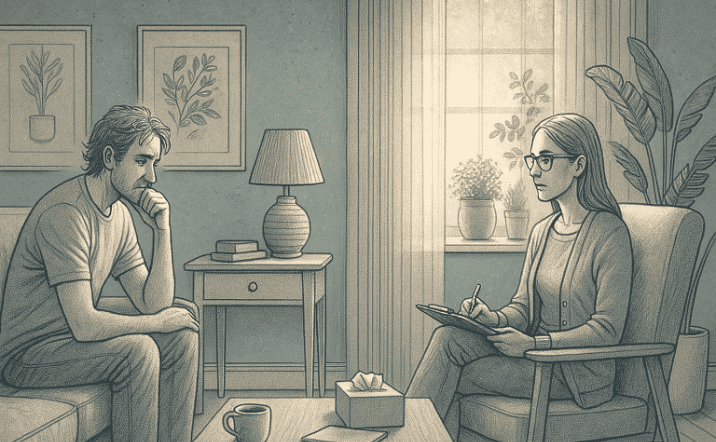
When adults seek mental health assessment for behavioral concerns, clinicians conduct comprehensive evaluations that examine current functioning alongside developmental history. Your mental health professional needs to understand not just what’s happening now, but what patterns existed during your formative years.
This assessment typically involves detailed interviews about your childhood and adolescence. Your clinician might ask about school disciplinary records, early relationship patterns, family dynamics, and any history of legal troubles. They’re looking for evidence of conduct disorder patterns before age 15, even if no formal diagnosis existed at the time.
Understanding your developmental history helps distinguish between conduct disorder patterns and other mental health conditions that might cause similar behaviors. Depression, trauma responses, and certain personality patterns can all create interpersonal difficulties and behavioral challenges that look similar on the surface but require different treatment approaches.
Mental health professionals also assess how these patterns affect your current life. Are your behaviors causing problems in relationships, work, or legal situations? Do you recognize the impact of your actions on others, or does that awareness remain limited? Your insight into your patterns significantly influences treatment planning and prognosis.
Treatment Approaches for Adults with Conduct-Related Patterns
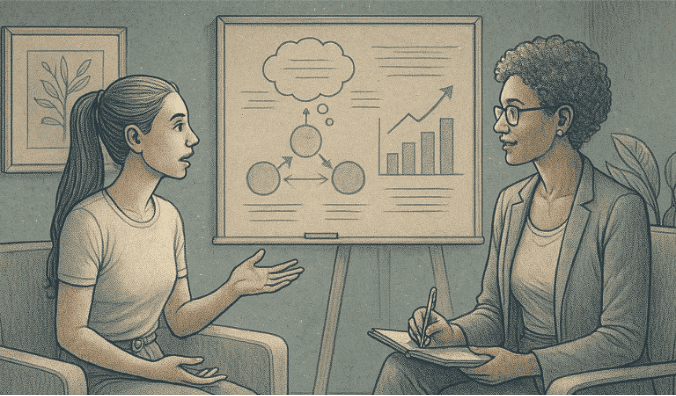
The good news is that adults with conduct-related behavioral patterns can benefit significantly from targeted therapeutic interventions. While change requires genuine commitment and consistent effort, effective treatments help reshape problematic patterns and develop healthier ways of relating to others.
Cognitive Behavioral Therapy (CBT) addresses the thinking patterns that drive problematic behaviors. You learn to identify thoughts that justify harmful actions, challenge these distortions, and develop more balanced perspectives that account for others’ well-being. CBT helps you recognize the connection between your thoughts, feelings, and behaviors, creating opportunities to interrupt harmful patterns before they manifest in action.
Dialectical Behavior Therapy (DBT) focuses on building skills in four key areas: mindfulness, distress tolerance, emotion regulation, and interpersonal effectiveness. These skills directly address common challenges for people with conduct-related patterns. You learn to pause before acting impulsively, manage intense emotions without destructive behaviors, and understand relationships more successfully.
Mentalization-Based Therapy helps develop empathy by improving your ability to understand both your own mental states and those of others. This approach recognizes that difficulty considering others’ perspectives underlies many conduct-related behaviors. Through structured therapy, you practice recognizing emotions, understanding motivations, and considering how your actions land on other people.
Group Therapy provides opportunities to practice new skills in supportive environments while receiving feedback from peers and facilitators. The group setting helps you see how your behaviors affect others in real-time, building awareness that individual therapy alone might not provide. You also benefit from witnessing others’ growth and learning from their experiences.
Effective treatment addresses not just the problematic behaviors themselves, but the underlying patterns of thinking, relating, and regulating emotions that drive those behaviors. Change happens gradually as you build new neural pathways and practice healthier responses in situations that previously triggered harmful actions.
Mission Connection Healthcare: Comprehensive Behavioral Health Support

Addressing conduct-related behavioral patterns requires specialized care from professionals who understand the complexity of these challenges. At Mission Connection Healthcare, we provide comprehensive treatment for adults traversing difficult behavioral patterns, whether they stem from diagnosed conditions or long-standing struggles that haven’t been fully understood until now.
Our approach combines individual therapy with group programming, creating multiple pathways for growth and healing. We use evidence-based treatments, including CBT, DBT, and other therapeutic modalities designed for your specific needs and goals. Our clinicians understand that behavioral change requires patience, consistency, and genuine commitment from both you and your treatment team.
We offer services across California, Virginia, and Washington through in-person and telehealth options, ensuring you can access consistent care that fits your life circumstances. Our treatment programs address the whole person: your behavioral patterns, emotional regulation, relationship skills, and the underlying factors that contribute to ongoing challenges.
Mission Connection Healthcare creates judgment-free environments where you can honestly examine your patterns, take responsibility for your actions, and develop healthier ways of relating to yourself and others. We recognize that seeking help for behavioral concerns takes courage, especially when past actions may have damaged relationships and opportunities.
Frequently Asked Questions (FAQ)
Can I be diagnosed with conduct disorder as an adult?
Mental health professionals don’t typically diagnose conduct disorder in adults, as the diagnostic criteria specifically apply to individuals under 18. However, if you exhibited conduct disorder patterns before age 15, you might receive an Antisocial Personality Disorder diagnosis as an adult. Understanding these historical patterns helps inform current treatment even without a formal childhood diagnosis.
How do I know if my behavioral issues connect to conduct disorder patterns?
If you experienced persistent problems with aggression, rule-breaking, deceitfulness, or disregard for others’ rights during childhood or adolescence, and these patterns continue affecting your adult relationships and functioning, they may connect to conduct disorder. A comprehensive mental health assessment examining your developmental history alongside current behaviors provides clarity.
Can adults with conduct-related patterns actually change their behavior?
Yes, meaningful change is possible with appropriate treatment and genuine commitment. Therapies like CBT and DBT help adults develop new skills in empathy, impulse control, and emotional regulation. While change requires consistent effort and time, many adults successfully reshape problematic patterns and build healthier relationships through specialized treatment.
What treatment approaches does Mission Connection Healthcare offer for behavioral patterns?
Mission Connection Healthcare provides individual therapy using evidence-based approaches like CBT and DBT, alongside group therapy programs that help you practice new skills in supportive environments. We create comprehensive treatment plans addressing behavioral patterns, emotional regulation, relationship skills, and the underlying factors contributing to your challenges.