

Key Takeaways
- Emotional abuse from parents is typically identified through five recurring behaviors: constant criticism and humiliation, emotional manipulation and guilt-tripping, withholding love and affection as punishment, extreme control and privacy violations, and gaslighting that causes children to question their own reality.
- Constant criticism, humiliation, and conditional approval can damage self-esteem, contribute to perfectionism, and create an inner critical voice that often persists into adulthood.
- Manipulation, guilt-tripping, excessive control, and invasions of privacy can make adult children feel responsible for other people’s emotions while undermining their confidence, independence, and decision-making abilities.
- Gaslighting is one of the most harmful forms of parental emotional abuse because it teaches children to distrust their memories, feelings, and perceptions, leading to long-term self-doubt and confusion.
- Mission Connection Healthcare helps adults recover from family trauma through trauma-focused outpatient care, including individual therapy, group support, and evidence-based treatments available both in person and through telehealth.
How to Recognize Emotional Abuse from Parents?
Emotional abuse from parents can be recognized through several recurring patterns, including persistent criticism, manipulation, withholding affection, controlling behavior, and gaslighting. While these behaviors often leave no physical evidence, they can shape how a person views themselves, forms relationships, and responds to challenges well into adulthood.
Each sign rarely shows up alone. Most emotionally abusive households mix two or three of these patterns, which makes the harm harder to spot and harder to explain to others. Professional support can help uncover how childhood family dynamics continue to affect daily life and provide practical tools for healing.
Mission Connection Healthcare offers specialized support for adults processing family-related trauma through flexible outpatient programs, evidence-based therapies, and both in-person and telehealth care options designed to fit different lifestyles and needs.
What Are Common Signs of Emotional Abuse from Parents?
1. Constant Criticism & Humiliation
Emotionally abusive parents rarely offer genuine praise or encouragement. Instead, they focus relentlessly on flaws, mistakes, and shortcomings. This criticism extends beyond specific behaviors to attacks on your character, appearance, intelligence, or fundamental worth as a person.
The criticism often comes disguised as “help” or “motivation.” Phrases like “I’m only saying this because I love you” or “This is for your own good” frequently precede devastating attacks on your self-esteem. The parent may compare you unfavorably to siblings, other children, or impossible standards, ensuring you never feel good enough.
Humiliation tactics include mocking your interests, dreams, or fears in front of others, sharing embarrassing stories to make you feel small, or deliberately putting you in situations where you’re likely to fail or look foolish. The message consistently communicated is that you’re inadequate, disappointing, or fundamentally flawed.
This pattern creates adults who struggle with imposter syndrome, perfectionism, and an internal critic that echoes their parents’ voice long after leaving home.
2. Emotional Manipulation & Guilt-Tripping
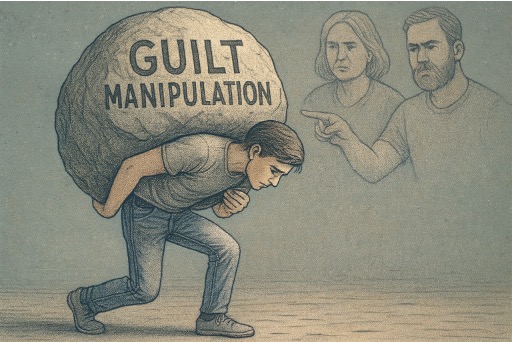
Emotionally abusive parents are masters of manipulation, using your love and desire for approval as weapons against you. They employ guilt, shame, and emotional blackmail to control your decisions and behavior, making you feel responsible for their emotions and well-being.
Common manipulation tactics include threatening suicide or self-harm when you don’t comply with their wishes, claiming you’re “ungrateful” or “selfish” for having needs or boundaries, or using phrases like “After everything I’ve done for you” to guilt you into submission.
They may play victim, portraying themselves as martyrs who sacrifice everything for ungrateful children. This manipulation makes you feel responsible for their happiness while your own emotional needs remain consistently ignored or dismissed.
Silent treatment is another form of emotional manipulation, where parents withdraw all communication and affection until you apologize or comply with their demands. This teaches you that love is conditional and that your worth depends on your ability to meet their emotional needs.
3. Withholding Love & Affection as Punishment
Healthy parents provide consistent love and support even when addressing behavioral issues. Emotionally abusive parents use love as a reward system, withdrawing affection, attention, or approval when you don’t meet their expectations or comply with their demands.
This conditional love teaches you that your worth depends entirely on your performance and compliance. You learn to suppress authentic parts of yourself in favor of versions that earn parental approval. The constant fear of losing love creates chronic anxiety and people-pleasing behaviors.
These parents may go days or weeks without speaking to you after perceived slights, ignore your achievements while dwelling on your failures, or explicitly state that they’re “disappointed” in you as a person rather than addressing specific behaviors.
The withdrawal of love as punishment is particularly devastating because children fundamentally need parental approval for healthy development. When that approval becomes a weapon, it creates adults who struggle with self-worth and fear abandonment in relationships.
4. Extreme Control & Invasion of Privacy
Emotionally abusive parents maintain excessive control over their children’s lives, extending far beyond age-appropriate guidance and boundaries. This control often continues into your adult years, with parents expecting detailed information about your decisions, relationships, and daily activities.
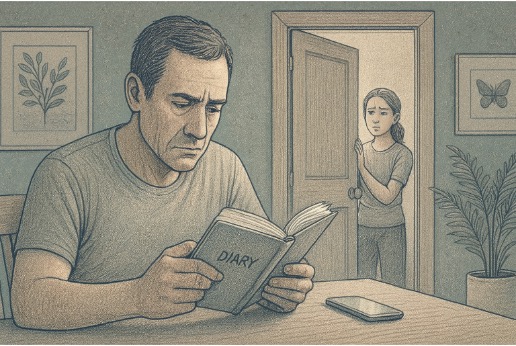
They may read your diary, texts, or emails without permission, monitor your friendships and romantic relationships obsessively, or make major decisions about your life without consulting you. This invasion of privacy communicates that you have no right to autonomy, personal space, or independent thought.
Control tactics include dictating your career choices, educational path, or living situations based on their preferences rather than your interests or abilities. They may use financial support to maintain control over you, threatening to withdraw assistance if you don’t comply with their wishes.
This excessive control creates adults who struggle with decision-making, have difficulty trusting their own judgment, and may either rebel completely or remain overly dependent on others for guidance.
5. Gaslighting & Denying Your Reality
Gaslighting involves consistently denying, minimizing, or distorting your memories and perceptions to make you question your own reality. Emotionally abusive parents excel at this technique, ensuring you can never quite trust your own experience of events.
They may deny saying hurtful things, claim you’re “too sensitive” or “overreacting” to their behavior, or insist that abusive incidents “never happened” or weren’t as bad as you remember. This systematic undermining of your reality creates deep self-doubt and confusion.
When you try to address their behavior, they may turn the conversation back to your supposed flaws, accuse you of being “dramatic” or “attention-seeking,” or claim they’re the real victim in the situation. This deflection prevents any meaningful discussion or accountability.
Gaslighting is particularly insidious because it attacks your ability to trust your own perceptions and memories. Adults who experienced parental gaslighting often struggle with decision-making, frequently seek external validation, and have difficulty trusting their intuition in relationships.
Top 5 Signs of Parental Emotional Abuse: Summary Table
| Sign | What It Looks Like |
| Constant Criticism and Humiliation | Relentless focus on flaws, mocking interests, unfair comparisons, attacks disguised as “help” or “motivation” |
| Emotional Manipulation and Guilt-Tripping | Guilt, shame, silent treatment, “after everything I’ve done for you,” playing the victim |
| Withholding Love and Affection as Punishment | Conditional approval, days of cold shoulder, dwelling on failures while ignoring wins |
| Extreme Control and Invasion of Privacy | Reading diaries or texts, dictating career and relationship choices, using money as a lever |
| Gaslighting and Denying Your Reality | Denying past events, calling you “too sensitive,” flipping blame back onto you |
How Can Mission Connection Help You Heal from Emotional Abuse from Parents?

Recognizing these five signs is the first real step toward healing. Naming the pattern strips away the confusion that kept you doubting yourself for years. The hurt was real, the memories are valid, and the lasting effects on your self-worth, relationships, and inner voice deserve proper care, not silence.
At Mission Connection Healthcare, we specialize in helping adults work through family emotional trauma using individual therapy, group support, and evidence-based approaches like Eye Movement Desensitization and Reprocessing (EMDR), Cognitive Behavioral Therapy (CBT), and Dialectical Behavior Therapy (DBT). We offer in-person and telehealth options across California, Virginia, and Washington, so support fits your life. Your path to healing from parental emotional abuse starts here.
Frequently Asked Questions (FAQs)
How do I know if what I experienced was really emotional abuse or just strict parenting?
Emotional abuse involves consistent patterns that attack your sense of self-worth, use fear and guilt as primary motivators, and prioritize the parent’s emotional needs over the child’s healthy development. Strict but healthy parenting includes clear boundaries while maintaining respect, unconditional love, and support for the child’s individual growth and autonomy.
Is it possible to have a relationship with emotionally abusive parents?
Some adult children maintain limited relationships with emotionally abusive parents through careful boundary-setting and realistic expectations. Others find that no contact is necessary for their mental health and recovery. Working with a therapist can help you determine what level of contact, if any, serves your well-being and healing process.
Why do I still love my emotionally abusive parents despite the harm they caused?
Loving parents who harmed you is normal and doesn’t invalidate your experiences or minimize the abuse. Children are biologically programmed to love and seek attachment with caregivers, regardless of how those caregivers treat them. Healing involves holding both the love and the hurt while protecting yourself from ongoing harm.
Will I repeat these emotional abuse patterns with my own children?
Awareness is the most powerful tool for breaking generational cycles. Many adults who experienced parental emotional abuse become especially committed to healthy parenting practices. Therapy, parenting classes, and ongoing self-reflection help ensure you develop the skills to provide the emotional safety and support you didn’t receive.
What types of therapy help with healing from parental emotional abuse?
Mission Connection Healthcare offers individual and group therapy using approaches specifically effective for family trauma, including EMDR, cognitive processing therapy, Internal Family Systems (IFS), CBT, and DBT. Our comprehensive programs address the complex emotions and relationship patterns that result from early emotional trauma while building healthier coping strategies and self-worth.