Why Understanding the Difference Matters
When you’re experiencing intense psychological distress, knowing what’s happening to you matters more than you might think. The terms “mental breakdown” and “panic attack” often get used interchangeably in everyday conversation, but they describe distinctly different experiences that require different responses and treatment approaches.
You might hear someone say they’re “having a breakdown” when they mean they’re feeling overwhelmed by a deadline, or describe intense anxiety as a “panic attack” when they’re experiencing something different. This confusion isn’t just semantic; it affects how you respond to your distress, what kind of help you seek, and how quickly you access appropriate support.
Understanding the distinction between panic attacks and mental breakdowns empowers you to recognize what you’re experiencing, communicate your needs clearly to healthcare providers, and pursue treatment that addresses your specific situation. Both experiences deserve attention and professional support, but the pathway to healing looks different for each.
What Is a Panic Attack?
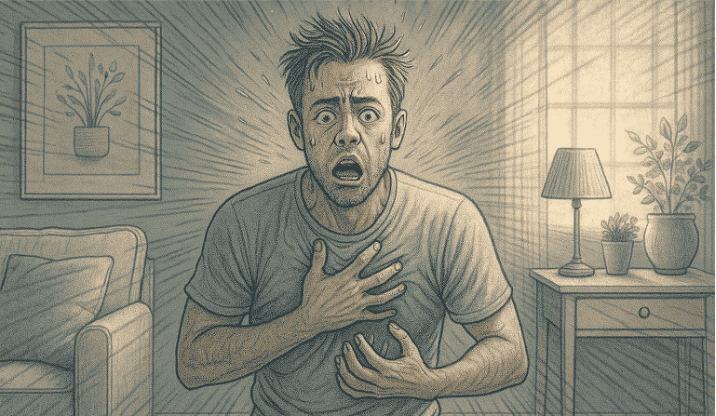
A panic attack is a sudden episode of intense fear or discomfort that reaches its peak within minutes. Your body’s alarm system activates even when there’s no immediate danger, triggering a cascade of physical and emotional responses that can feel overwhelming and frightening.
During a panic attack, you might experience a racing or pounding heartbeat that makes you acutely aware of every beat. Your chest may feel tight or painful, leading to fears that something is seriously wrong with your heart. Breathing becomes difficult; you might feel like you can’t get enough air or like you’re suffocating. Sweating, trembling, and dizziness commonly occur alongside these cardiovascular symptoms.
The psychological experience of panic attacks often includes intense fear that something terrible is about to happen. You might feel detached from reality or from your own body, as if you’re watching yourself from outside. Many people experiencing their first panic attack believe they’re having a heart attack or dying, which understandably intensifies the fear and physical symptoms.
Panic attacks typically last between five and thirty minutes, though the after-effects of feeling shaken, exhausted, or anxious may persist for hours. They can occur unexpectedly or in response to specific triggers, and some people experience them multiple times while others have isolated episodes.
What Is a Mental Breakdown?
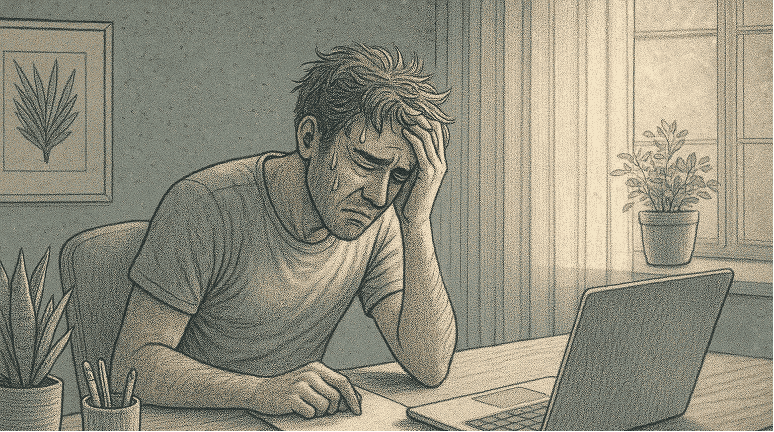
“Mental breakdown” isn’t a clinical diagnosis, but rather a colloquial term describing a mental health crisis where you feel unable to function in daily life due to overwhelming stress, emotional exhaustion, or psychological distress. Mental health professionals might refer to this experience as an acute stress reaction, crisis episode, or nervous breakdown.
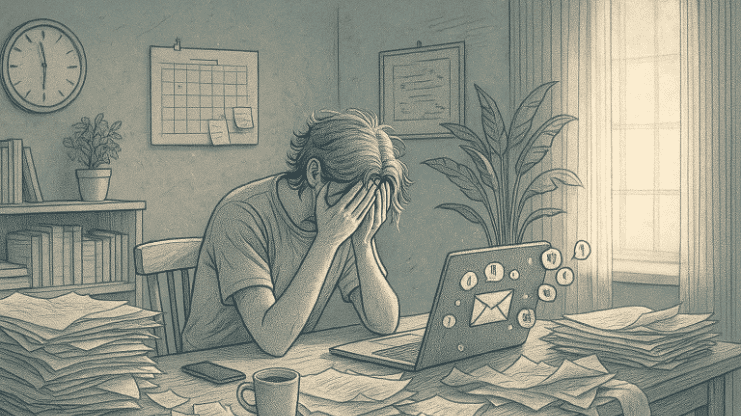
Unlike the sudden onset of panic attacks, mental breakdowns typically develop gradually over weeks or months as stress accumulates and coping mechanisms become insufficient. You might notice yourself withdrawing from relationships, struggling to complete basic tasks, or feeling persistently detached from your usual interests and responsibilities.
Signs of an approaching mental breakdown include persistent feelings of being overwhelmed even by small tasks, difficulty concentrating or making decisions, significant changes in sleep patterns, and emotional volatility, where you might cry unexpectedly or feel numb and disconnected. You may find yourself unable to go to work or school, neglecting personal care, or experiencing physical symptoms like headaches, digestive issues, or chronic fatigue that don’t have clear medical causes.
The duration of a mental breakdown varies significantly based on individual circumstances and whether you receive appropriate support. Without intervention, these crisis periods can last weeks or months, while professional treatment can facilitate recovery within a more manageable timeframe.
Key Differences Between Panic Attacks and Mental Breakdowns
Duration and Onset
Panic attacks arrive suddenly and reach peak intensity within minutes, then gradually subside within an hour at most. Mental breakdowns unfold slowly, often building over extended periods as multiple stressors compound and your ability to cope diminishes. Where panic attacks are acute episodes with clear beginnings and endings, mental breakdowns represent sustained periods of crisis.
Intensity and Impact on Functioning
During a panic attack, your symptoms are intense but temporary. Once the attack passes, you can typically resume normal activities, though you might feel emotionally drained. Mental breakdowns profoundly disrupt your ability to function across multiple life areas simultaneously. Work performance deteriorates, relationships suffer, self-care declines, and activities that previously brought joy feel impossible to engage with.
Physical vs. Emotional Symptoms
Panic attacks primarily manifest through dramatic physical symptoms: racing heart, difficulty breathing, chest pain, sweating, and trembling. These physical sensations dominate the experience and often drive the intense fear. Mental breakdowns center more on emotional and cognitive symptoms: overwhelming sadness or numbness, inability to concentrate, persistent feelings of hopelessness, and emotional exhaustion. While physical symptoms may be present, they’re secondary to the psychological experience.
Triggers and Context
Panic attacks can occur unexpectedly or in response to specific triggers, but they’re not necessarily connected to your overall life circumstances. Someone with a generally stable life can experience panic attacks. Mental breakdowns typically result from accumulated stress and occur when demands consistently exceed your coping resources over extended periods.
What to Do During a Panic Attack
When a panic attack strikes, immediate coping strategies can help you manage the intensity and duration of symptoms. Grounding techniques redirect your attention from internal panic to external reality. Try the 5-4-3-2-1 method: identify five things you can see, four things you can touch, three things you can hear, two things you can smell, and one thing you can taste. This sensory inventory interrupts the panic cycle and reconnects you with your environment.
Breathing exercises directly counter the hyperventilation that often accompanies panic attacks. Practice slow, deep breathing: inhale for a count of four, hold for four, exhale for six. The extended exhale activates your parasympathetic nervous system, signaling safety to your body. Place one hand on your chest and one on your abdomen to ensure you’re breathing deeply into your diaphragm rather than taking shallow chest breaths.
Remind yourself that panic attacks, while terrifying, are not dangerous and will pass. Acknowledge the experience without fighting it: “I’m having a panic attack, and this will end soon.” Resistance often intensifies panic, while acceptance reduces its power.
What to Do During a Mental Breakdown
Recognizing a mental breakdown means admitting you’ve hit your limit. If daily tasks feel impossible, hopelessness sets in, or thoughts of self-harm appear, it’s time to reach out for professional help.
Connect with someone you trust: a friend, therapist, or crisis line. You don’t have to face this alone, and isolation only makes things harder.
It also helps to have a simple safety plan: know your warning signs, list supportive contacts, and keep professional resources handy. That plan becomes your guide when thinking clearly feels difficult.
Finally, give yourself permission to pause. Take a break from work or responsibilities if you can. Prioritizing your mental health is essential for recovery.
Mission Connection Healthcare: Comprehensive Support for Mental Health Crises

Navigating panic attacks or mental health crises becomes more manageable with comprehensive, compassionate support. Mission Connection Healthcare specializes in treating anxiety disorders, depression, and acute mental health struggles through evidence-based approaches designed for your unique situation.
Our clinicians understand that seeking help during a crisis takes courage. We create judgment-free environments where your experiences are validated and your healing is prioritized. Through individual therapy, we address the specific factors contributing to your panic attacks or mental health crisis while building sustainable coping skills for long-term wellbeing.
Our group therapy programs connect you with others who understand the challenges of managing intense anxiety or recovering from mental health crises. These therapeutic communities provide both emotional support and practical skill-building, creating multiple pathways toward healing.
We offer services across California, Virginia, and Washington through both in-person and telehealth options, ensuring consistent access to care regardless of your schedule or location. Our flexible outpatient programs integrate into your daily life, providing support without requiring time away from work, school, or family.
Mission Connection’s comprehensive approach addresses not just your immediate symptoms but also the underlying patterns, stressors, and beliefs that contribute to panic attacks and mental health vulnerability. We help you develop resilience, self-compassion, and practical skills that support lasting mental wellness.
Frequently Asked Questions (FAQ)
Can a panic attack turn into a mental breakdown?
While a panic attack itself doesn’t cause a mental breakdown, untreated panic disorder can contribute to the accumulated stress that precipitates a mental health crisis. Repeated panic attacks without proper support may lead to avoidance behaviors, social isolation, and chronic anxiety that eventually overwhelms your coping capacity. Treatment for panic attacks prevents this progression.
How do I know if I need professional help for panic attacks?
Seek professional support if panic attacks occur frequently, significantly limit your activities, cause persistent worry about future attacks, or lead to avoidance of important situations. Even a single panic attack warrants consultation with a mental health professional who can assess your situation and provide preventive strategies.
What’s the difference between feeling stressed and having a mental breakdown?
Stress is a normal response to demands and challenges that typically improves with rest, problem-solving, or reduced pressure. A mental breakdown represents stress that has exceeded your ability to cope, resulting in significant functional impairment across multiple life areas. If you can’t complete normal daily activities, feel persistently hopeless, or experience severe emotional distress that doesn’t improve with typical stress-management approaches, you’re likely experiencing something beyond ordinary stress.
What types of therapy does Mission Connection Healthcare offer for panic attacks and mental health crises?
Mission Connection provides evidence-based therapies including Cognitive Behavioral Therapy, Dialectical Behavior Therapy, Acceptance and Commitment Therapy, and trauma-focused approaches. We offer both individual and group therapy formats, allowing you to benefit from personalized treatment and community support. Our comprehensive approach addresses immediate crisis management while building long-term mental health resilience.