
Understanding Cyclothymia: Recognizing the Behavioral Patterns
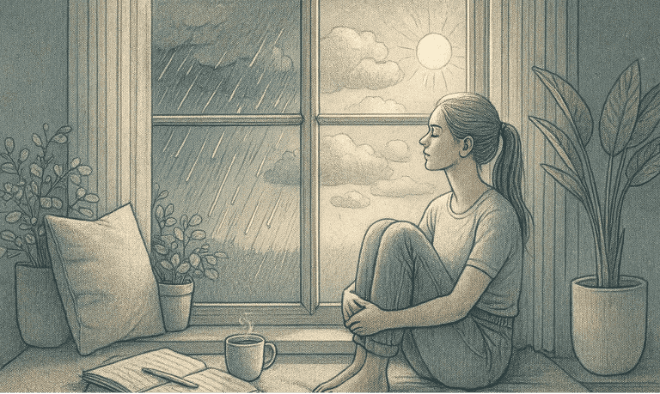
Cyclothymia shows up in ways that people around you often notice before you do. The shifts aren’t as dramatic as other mood disorders, but the steady rhythm of highs and lows leaves its mark on daily life.
These cycles include stretches of hypomanic energy and dips into low mood that can last days or weeks. During these times, behavior, energy, and even social interactions feel different than usual.
The tricky part is how subtle it can look. What feels like a personality quirk or a stress reaction may actually be part of a larger pattern. You might get labeled as moody or unpredictable, or notice yourself reacting in ways that don’t feel consistent.
These shifts affect work, relationships, and decision-making, often creating strain across different areas of life. Recognizing that these changes follow cycles, not random fluctuations, is the key to understanding cyclothymia and finding ways to manage it.
Hypomanic Episodes: When Energy and Mood Shift Upward
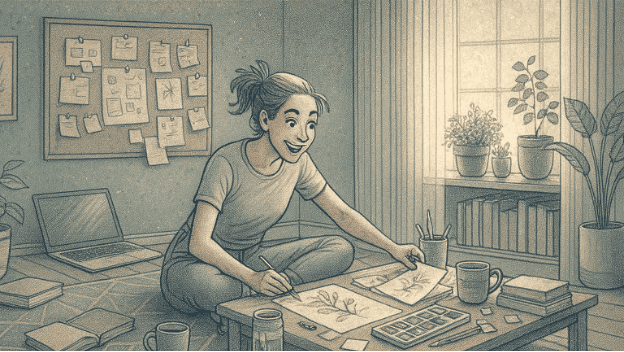
During hypomanic periods, cyclothymic behavior becomes noticeably more energetic, optimistic, and socially engaged. You might find yourself needing less sleep while feeling completely rested, talking more rapidly and enthusiastically, and approaching projects with unusual confidence and creativity.
These elevated periods often feel wonderful initially. You experience enhanced creativity, improved problem-solving abilities, and increased motivation to tackle overwhelming projects. Social interactions become easier and more enjoyable, leading to expanded social connections.
However, hypomanic behavior also includes less helpful patterns. Impulsiveness increases significantly, leading to decisions about spending, relationships, or commitments that you later regret. Your judgment about risks becomes impaired, and you might take on more responsibilities than you can realistically handle.
During these periods, you may become easily distracted, jumping from one idea or project to another without completing previous tasks. This scattered energy, while feeling productive, often results in multiple unfinished projects and commitments that become overwhelming when your mood shifts.
Irritability can emerge, especially when others don’t share your enthusiasm or energy level. You might become impatient with slower-paced conversations or frustrated when people question your ambitious plans or rapid decisions.
Depressive Episodes: When Mood and Energy Drop
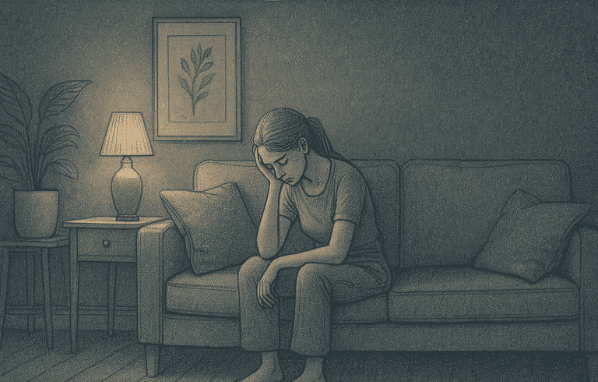
Depressive periods in cyclothymia create dramatically different behavioral patterns characterized by low energy, withdrawal, and difficulty with motivation. You might find yourself sleeping more but feeling constantly tired, avoiding social situations that previously brought enjoyment, and struggling to complete routine tasks.
During these episodes, concentration becomes difficult, making work or academic performance suffer. Simple decisions feel overwhelming, and you may procrastinate on important responsibilities. The enthusiasm and confidence from hypomanic periods disappears, replaced by self-doubt and pessimism.
Social withdrawal is common during depressive periods. You might decline invitations, avoid phone calls, or find excuses to skip social gatherings. Physical symptoms accompany the emotional changes. Appetite may change significantly, sleep patterns become disrupted, and even basic self-care tasks like showering or preparing meals can feel exhausting.
The emotional tone includes feelings of hopelessness, worthlessness, and guilt. You might be particularly critical of decisions made during hypomanic periods, experiencing regret about impulsive choices or overcommitments that now feel impossible to fulfill.
How Cyclothymia Behaviors Differ from Other Mood Conditions
Cyclothymic behaviors occupy a middle ground between typical mood variations and more severe mood disorders. Unlike normal mood changes that respond to circumstances and resolve relatively quickly, cyclothymic mood swings persist for extended periods and seem less connected to external situations.
The behavioral changes in cyclothymia are less dramatic than those seen in bipolar disorder but more persistent than temporary mood fluctuations. During hypomanic periods, you don’t experience the severe impairment or risky behaviors associated with full manic episodes.
Similarly, depressive periods in cyclothymia don’t typically include the severe symptoms that completely prevent daily functioning. You can usually continue working, maintain relationships, and handle basic responsibilities, though everything feels more difficult and less enjoyable.
The chronic nature of cyclothymic behavior patterns sets them apart from major depression or anxiety disorders. Rather than distinct episodes with clear beginnings and endings, cyclothymia creates an ongoing cycle of mood and behavioral changes that become your new normal.
Impact on Daily Life: Living with Cyclothymic Mood Swings
Cyclothymic behavior patterns significantly impact daily life functioning across multiple domains. Work performance becomes inconsistent as productivity and creativity fluctuate with mood cycles. During hypomanic periods, you might volunteer for extra projects or work late into the night, while depressive periods bring difficulty meeting basic deadlines.
Relationships experience strain from the unpredictability of cyclothymic behaviors. Friends and family may feel confused by your changing availability and emotional responsiveness. During hypomanic periods, you’re socially engaged and enthusiastic, while depressive periods bring withdrawal and reduced communication.
Financial decisions become problematic as spending habits change with mood states. Hypomanic periods may bring impulsive purchases or expensive commitments, while depressive periods create guilt about previous spending and reluctance to invest in necessary items.
Sleep patterns and physical health fluctuate with behavioral changes. The reduced sleep need during hypomanic periods, followed by excessive sleep during depressive episodes, disrupts circadian rhythms and affects overall physical well-being.
Therapeutic Approaches That Help Manage Cyclothymia Behaviors
Effective therapeutic approaches for cyclothymia focus on understanding behavioral patterns, developing coping strategies, and creating stability without requiring medication. These evidence-based treatments help you recognize mood cycles and develop healthier responses to cyclothymic symptoms.
Cognitive Behavioral Therapy (CBT) teaches you to identify thought patterns that contribute to behavioral extremes during mood episodes. You learn to recognize early warning signs of mood shifts and develop strategies to moderate behaviors during both hypomanic and depressive periods.
Dialectical Behavior Therapy (DBT) provides specific skills for managing intense emotions and impulsive behaviors characteristic of cyclothymic episodes. Emotion regulation techniques help you navigate mood swings while maintaining stable relationships and responsibilities.
Mood tracking and psychoeducation help you understand personal cyclothymic patterns, identifying triggers, duration patterns, and early warning signs. This awareness enables proactive management rather than reactive responses to mood changes.
Interpersonal therapy addresses relationship challenges created by cyclothymic behaviors, helping you communicate with loved ones about your condition and develop strategies for maintaining connections during mood fluctuations.
Mission Connection Healthcare: Specialized Support for Cyclothymia

Managing cyclothymic behavior patterns requires a specialized understanding of mood disorders and their impact on daily functioning. At Mission Connection Healthcare, our therapists are trained in evidence-based approaches specifically designed for cyclothymia, recognizing the unique challenges of persistent mood fluctuations.
Our individual therapy programs provide a comprehensive assessment and treatment planning that addresses your specific cyclothymic patterns. We use specialized therapeutic approaches that help you understand mood cycles, develop coping strategies, and create stability in relationships and responsibilities.
Group therapy sessions focused on mood disorders connect you with others who understand the challenges of cyclothymic behaviors. These groups provide additional support, accountability, and opportunities to practice new coping strategies alongside peers facing similar experiences.
We offer flexible treatment options, including in-person and telehealth services across California, Virginia, and Washington state, understanding that accessibility is crucial when managing cyclothymic symptoms. Our comprehensive approach includes individual therapy, group support, and coordination with other healthcare providers when beneficial.
Our therapists understand the complexity of cyclothymic behavior patterns and provide non-judgmental support as you work toward greater stability and improved quality of life. We focus on building your strengths and developing practical skills for managing mood fluctuations effectively.
Frequently Asked Questions (FAQ)
How long do cyclothymic mood swings typically last?
Cyclothymic episodes usually last days to weeks, with hypomanic periods often shorter than depressive periods. The pattern varies between individuals, with some experiencing rapid cycling while others have longer, more stable periods between mood changes.
Can people with cyclothymia maintain stable relationships and careers?
Yes, with proper understanding and therapeutic support, people with cyclothymia can maintain successful relationships and careers. Treatment focuses on developing awareness of behavioral patterns and strategies for managing mood fluctuations effectively.
Is therapy effective for cyclothymia without medication?
Therapeutic approaches can be highly effective for managing cyclothymic behaviors without medication. CBT, DBT, and other evidence-based therapies teach practical skills for mood regulation, behavioral management, and maintaining stability during mood cycles.
How do I know if my mood swings are cyclothymia or normal mood variations?
Cyclothymic mood swings are more persistent, follow recognizable patterns, and significantly impact daily functioning over extended periods. Unlike normal mood variations, cyclothymic episodes last for days or weeks and create noticeable behavioral changes that affect relationships and responsibilities.
How does Mission Connection treat cyclothymic behavior patterns?
Mission Connection provides specialized therapy for cyclothymia through individual sessions focused on mood regulation, group support for practicing coping strategies, and comprehensive treatment planning. Our therapists use evidence-based approaches specifically designed for managing cyclothymic symptoms and improving daily functioning.