
What Trauma-Focused Therapy Offers
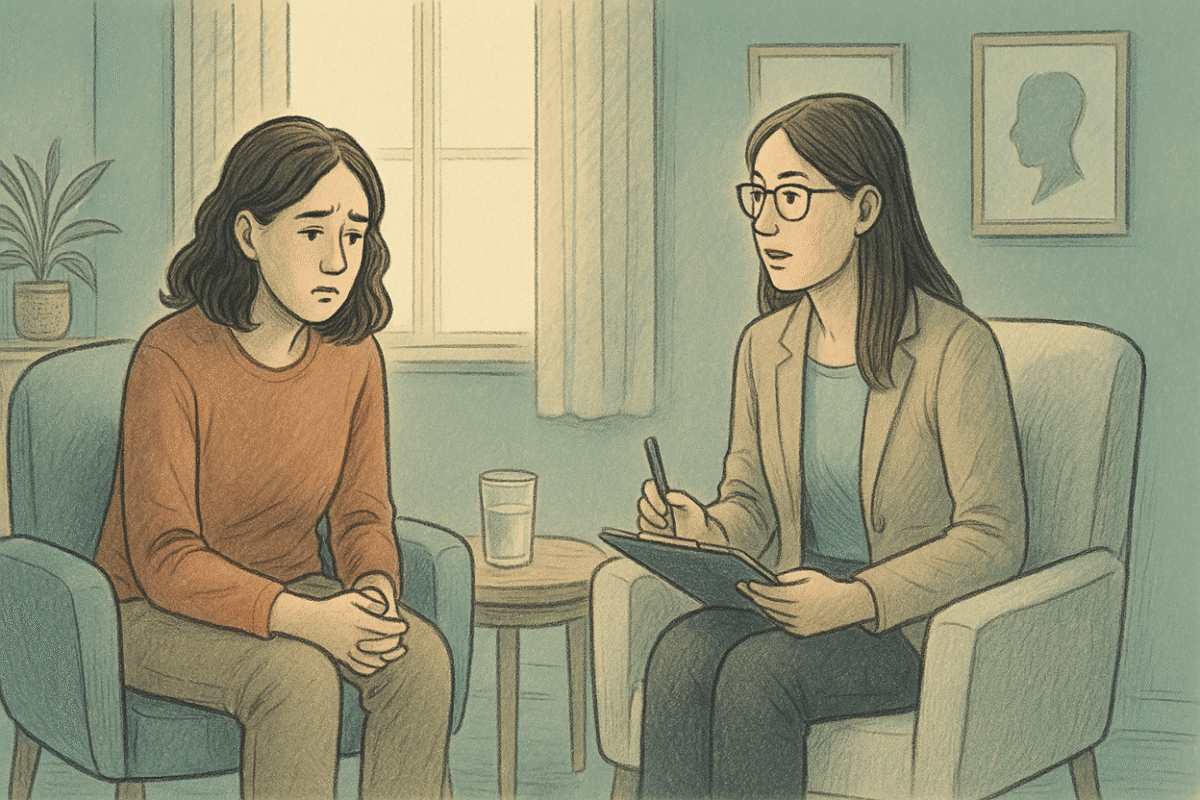
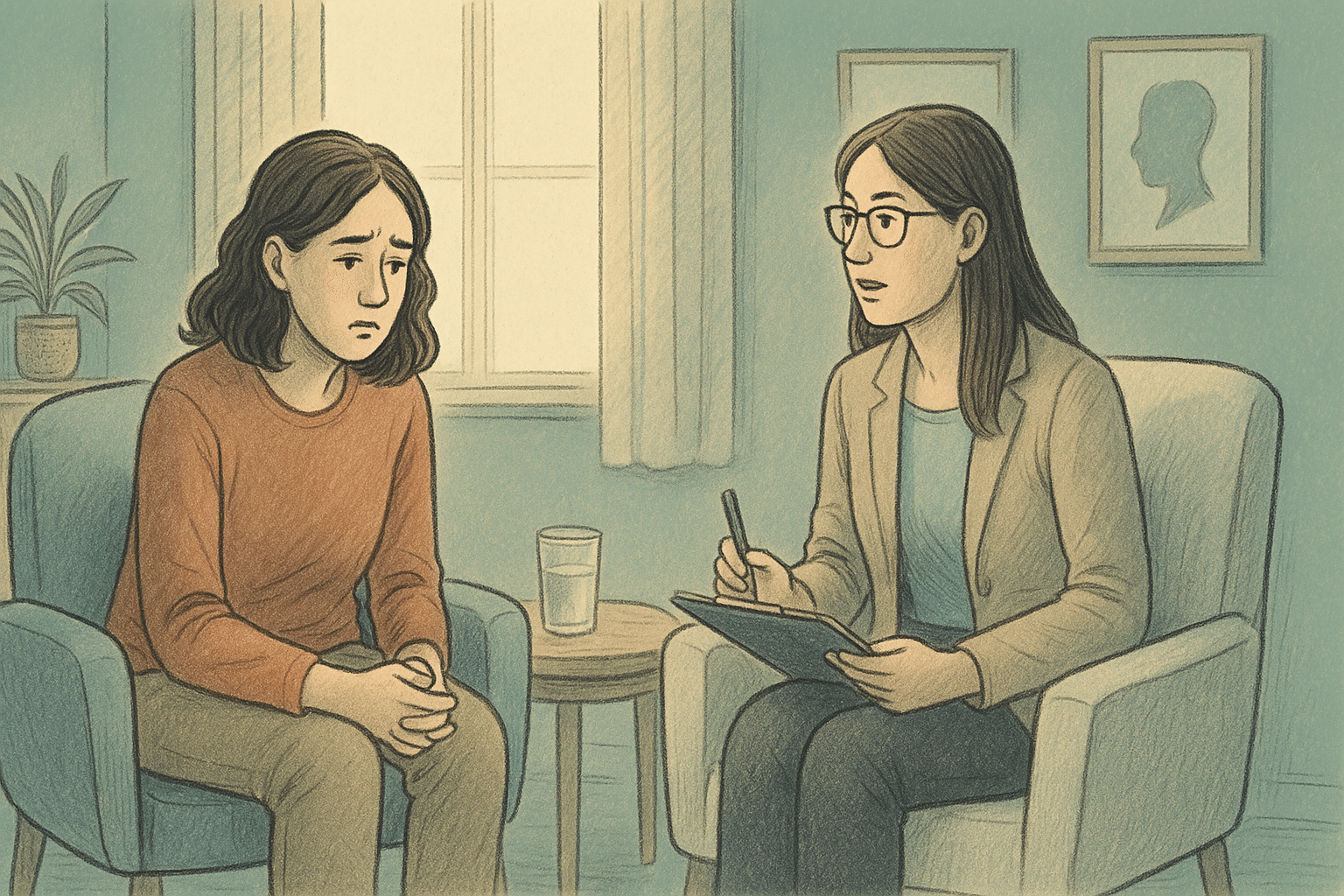
Trauma-focused therapy provides a structured environment where adults can safely explore and process their traumatic experiences. It aims to help individuals understand their trauma, develop coping strategies, and ultimately find a path to healing.
Defining Trauma-Focused Therapy
Trauma-focused therapy is a form of psychotherapy that specifically addresses the impact of traumatic experiences on an individual’s mental health. It is grounded in the understanding that trauma can have profound effects on emotions, thoughts, and behaviors.
The Purpose and Goals
The primary goal of trauma-focused therapy is to help individuals process their trauma in a healthy way. This involves reducing symptoms such as anxiety, depression, and PTSD, while also improving overall emotional well-being. The therapy seeks to empower individuals to regain control over their lives and build resilience against future challenges.
How It Differs from Other Therapies
Unlike general psychotherapy, trauma-focused therapy is specifically customized to address trauma-related issues. It often involves techniques that directly target the memories and emotions associated with traumatic events.
This makes it more effective for individuals dealing with trauma than traditional talk therapy, which may not address the root causes of their distress.
Reasons Adults Need Trauma Therapy
Traumatic Experiences
Adults require trauma therapy because traumatic experiences create profound psychological wounds that rarely heal on their own. These experiences encompass a wide range of deeply distressing events including physical or sexual abuse, natural disasters, serious accidents, witnessing violence, or military combat exposure.
What makes these experiences particularly damaging is their ability to overwhelm an adult’s normal coping mechanisms, shattering their sense of safety and control. Unlike childhood trauma, adult trauma often occurs when individuals have established identities and life patterns, making the disruption particularly jarring and the need for professional intervention more urgent.
Effects of Trauma on Mental Health
The mental health effects of trauma extend far beyond temporary distress, often manifesting as complex conditions such as PTSD, generalized anxiety, and major depression especially in adults.
These psychological wounds can significantly impair an individual’s capacity to manage daily responsibilities, maintain stable employment, or cultivate meaningful relationships.
Long-term Consequences Without Treatment

You may find yourself trapped in cycles of hypervigilance, emotional numbing, or intrusive memories that interfere with your ability to form secure attachments or perform effectively in work or academic settings.
Without proper therapeutic intervention, these effects solidify into entrenched patterns that can define a person’s entire adult experience. This reality underscores why seeking trauma-focused therapy is a beneficial step towards reclaiming your life.
Benefits of Trauma-Focused Therapy
Processing and Healing Trauma
One of the key benefits of trauma-focused therapy is that individuals can process their trauma in a supportive environment. This can lead to greater self-awareness and understanding of how the trauma has affected their lives.
Reduction in PTSD Symptoms
Many individuals who undergo trauma-focused therapy experience a significant reduction in PTSD symptoms, such as flashbacks, nightmares, and hypervigilance. This can lead to a greater sense of peace and stability in your daily life.
Improved Coping Mechanisms
Through various therapeutic techniques, you can learn to manage stress, anxiety, and other emotional responses to trauma. This helps you to face life’s challenges with resilience and confidence.

Better Relationships
Trauma can often lead to strained relationships due to trust issues, communication barriers, and emotional withdrawal. Trauma-focused therapy works to address these issues by helping you understand your emotional triggers and reactions.
As a result, you can improve your interpersonal skills and build healthier relationships. The therapy also provides tools to express feelings constructively, fostering better communication and understanding between you and your loved ones.
Potential Drawbacks and Considerations
Emotional Challenges During Therapy
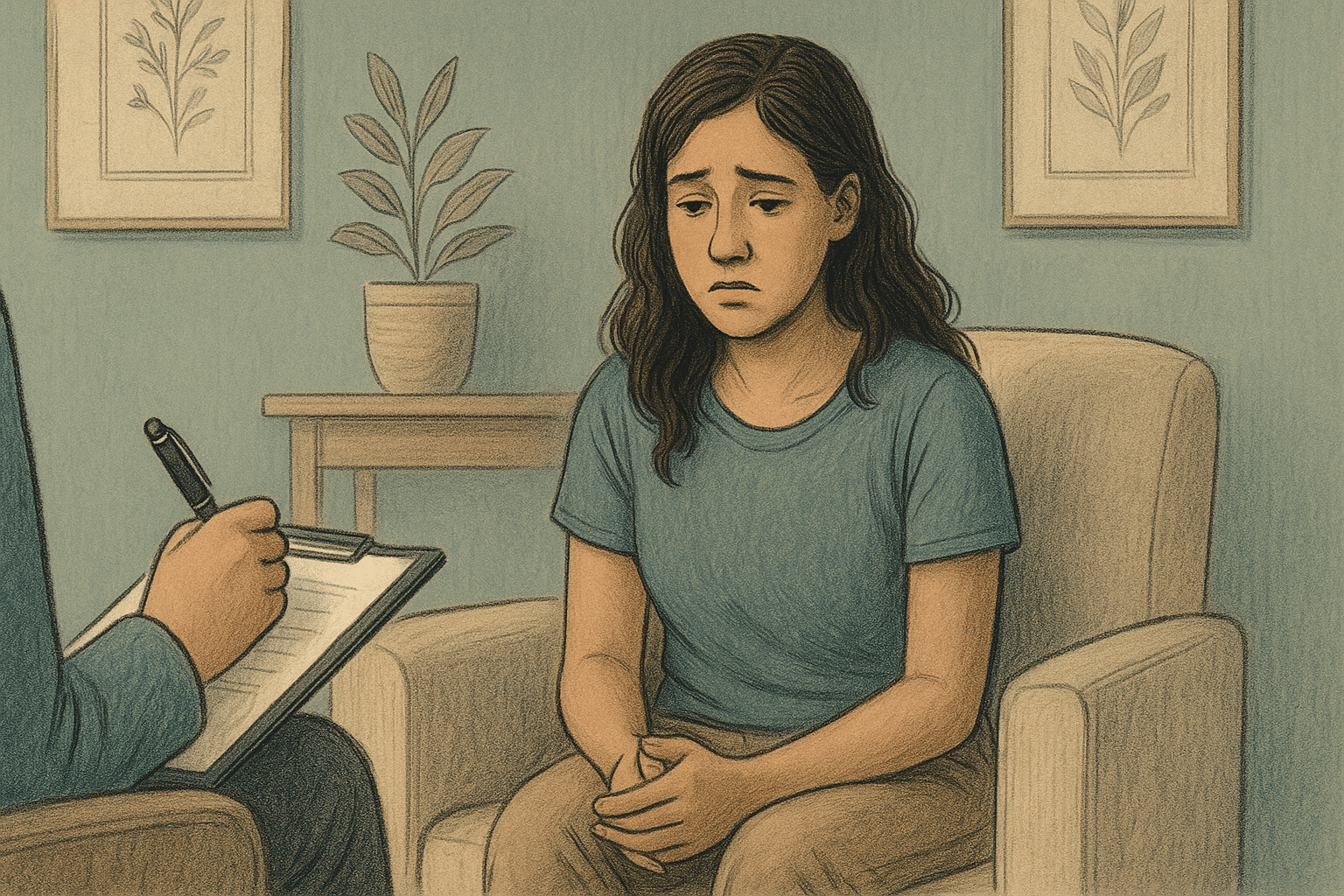
Revisiting traumatic events can trigger intense feelings of fear, sadness, or anger. However, these emotional challenges are a natural part of the healing process.
Therapists are trained to help you go through these emotions safely and constructively, ensuring that the therapy remains a supportive experience.
Finding the Right Therapist
Choosing the right therapist is crucial for the success of trauma-focused therapy. Find a therapist who is experienced in trauma therapy and you feel comfortable with.
Building a trusting relationship with your therapist can make a significant difference in your therapeutic journey so don’t hesitate to meet with several therapists before making a decision.
Limitations of Therapy
While trauma-focused therapy can be highly effective, not all individuals respond to therapy in the same way, and some may require additional support or alternative treatments.
Additionally, therapy may not eliminate all symptoms of trauma but can significantly reduce their impact on daily life.
Effective Techniques in Trauma-Focused Therapy
Cognitive Behavioral Therapy (CBT)
Cognitive Behavioral Therapy (CBT) focuses on identifying and changing negative thought patterns and behaviors associated with trauma. By challenging these thoughts, individuals can develop healthier perspectives and responses to their experiences.
CBT often involves exercises and homework assignments that encourage individuals to practice new skills in real-life situations.
Eye Movement Desensitization and Reprocessing (EMDR)
Eye Movement Desensitization and Reprocessing EMDR is a unique therapy technique that helps individuals process traumatic memories through guided eye movements.
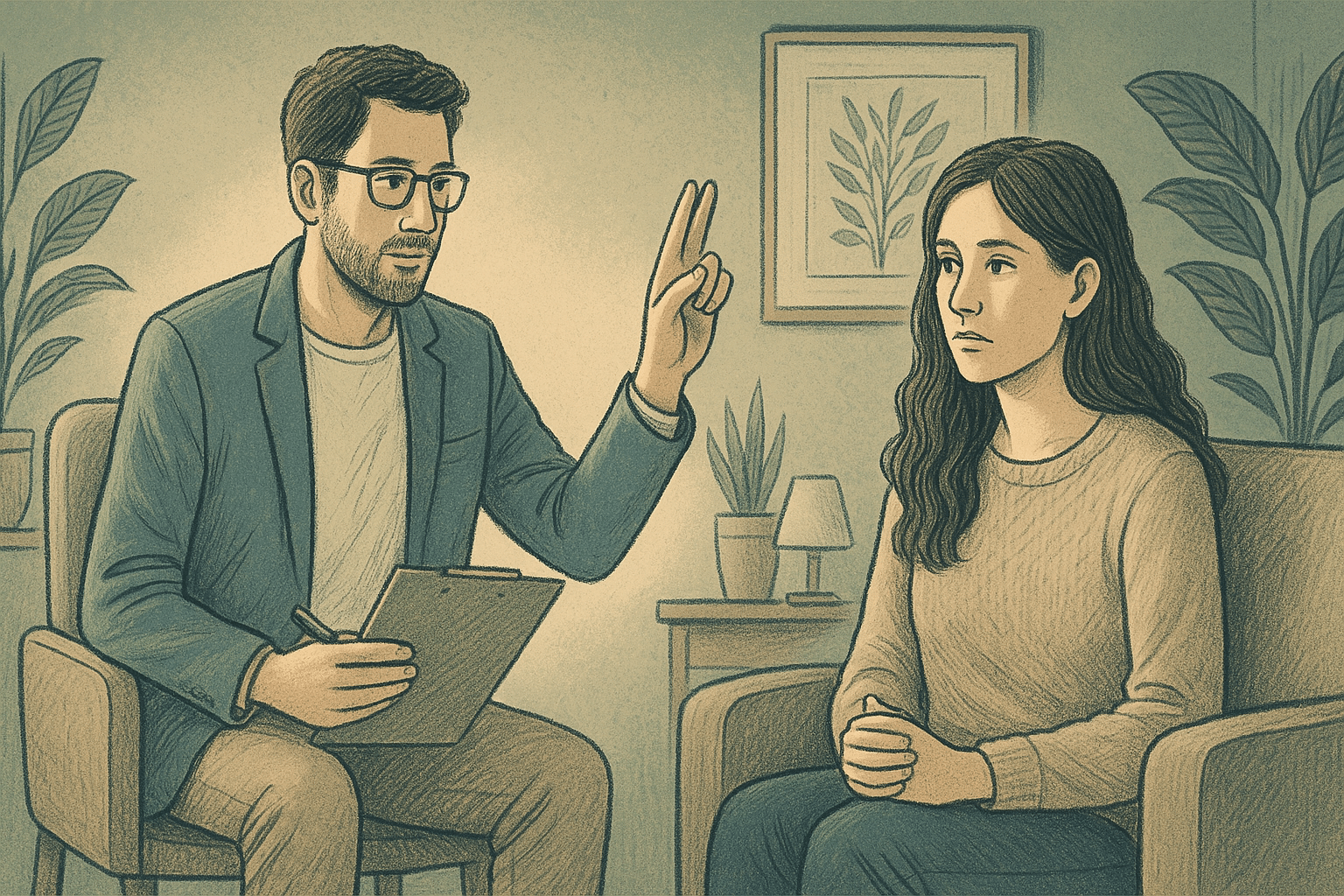
EMDR sessions typically involve recalling traumatic events while focusing on an external stimulus, such as a therapist’s hand movements or a light bar. This process helps reframe negative memories, making them less distressing over time.
Somatic Experiencing
Somatic Experiencing is a body-centered approach to trauma therapy that focuses on the physical sensations associated with trauma. This technique helps individuals release tension and stress stored in the body, promoting a sense of calm and relaxation.
By paying attention to bodily sensations, individuals can learn to regulate their nervous system and reduce the impact of trauma on their physical and emotional well-being.
Your Journey to Healing with Mission Connection
Trauma-focused therapy offers adults a structured path to healing from painful experiences that may have shaped their lives for years.
At Mission Connection Healthcare, we understand that each person’s experience with trauma is unique. That’s why our specialized trauma therapists create personalized treatment plans using evidence-based approaches like CBT, EMDR, and Somatic Experiencing.

Our experienced team of clinicians are committed to building the trust needed for your healing journey. If you prefer in-person sessions or the convenience of telehealth options, we’re here to support you every step of the way.
Don’t let the effects of trauma continue to impact your life. Contact Mission Connection Healthcare today to begin your journey toward healing, resilience, and a more fulfilling life.
Frequently Asked Questions (FAQ)
What is the main goal of trauma-focused therapy?
The main goal of trauma-focused therapy is to help individuals process and heal from traumatic experiences. It aims to reduce symptoms, improve emotional well-being, and empower individuals to lead healthier lives.
By addressing the root causes of trauma, therapy provides individuals with the tools they need to manage their emotions and responses effectively.
How long does trauma-focused therapy typically take?
The duration of trauma-focused therapy varies depending on the individual’s needs and the complexity of their trauma.
On average, therapy may last anywhere from several months to a year. However, some individuals may require longer-term support.
Are there different types of trauma-focused therapy?
Yes, there are different types of trauma-focused therapy, including CBT, EMDR, and Somatic Experiencing. Each approach offers unique techniques and benefits, allowing therapists to tailor the therapy to the individual’s needs.
Is it possible to do trauma-focused therapy online?
Yes, many therapists offer trauma-focused therapy online, providing a convenient and accessible option for individuals seeking help.
Online therapy can be just as effective as in-person sessions, allowing individuals to receive support from the comfort of their own homes.
How can I get started with trauma therapy at Mission Connection?
To begin trauma therapy at Mission Connection Healthcare, you can reach out to our experienced therapists who specialize in trauma treatment by calling 866-833-1822.
Our process begins with a brief assessment, followed by connecting you with a therapist who will create a personalized treatment plan customized to your specific needs.
Mission Connection offers both in-person and telehealth options in a safe and welcoming environment where your journey toward healing and well-being can begin.