Key Takeaways
- The 5 main signs are silent treatment, backhanded compliments, sulking, deliberate forgetfulness, and indirect resistance from a partner.
- Passive-aggressive behavior expresses anger indirectly, so the receiving partner often feels confused, anxious, and unsure what they actually did wrong.
- Sarcasm disguised as humor and forgotten promises are two of the most common ways unspoken resentment quietly builds between partners.
- Unaddressed passive-aggressive patterns slowly erode trust, intimacy, and emotional safety, leaving couples feeling more like distant roommates than partners.
- At Mission Connection, our outpatient therapy programs help adults change communication patterns through CBT, DBT, EMDR, and trauma-focused care.
What Does Indirect Anger From a Partner Look Like?
The 5 most common signs of passive-aggressive behavior in a relationship are the silent treatment and stonewalling, backhanded compliments and sarcasm, sulking and withdrawing affection, deliberate forgetfulness and procrastination, and indirect resistance or quiet sabotage. Each one expresses anger or resentment without naming it out loud, which leaves the other partner trying to guess what is wrong.
If any of these patterns sound familiar, you are not imagining things. The sections below break down what each sign looks like in everyday life with a partner, the small moments when it tends to show up, and the kind of damage it does to a relationship when the cycle repeats without being addressed.
5 Signs of Passive-Aggressive Behavior in a Relationship
1. The Silent Treatment and Stonewalling
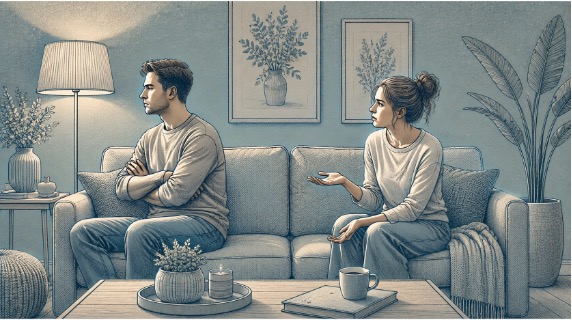
One of the clearest signs of passive-aggressive behavior is the silent treatment. Your partner stops talking, refuses to make eye contact, or leaves the room when something upsets them. They will not say what is wrong, but their cold body language makes the anger obvious to anyone in the house.
Stonewalling is the longer version. A partner shuts down completely, sometimes for hours or days, hoping you will figure out what you did wrong on your own. This pattern punishes you without giving you any chance to repair things, and it can feel emotionally suffocating to live with for any length of time.
Over time, the silent treatment teaches the receiving partner to walk on eggshells. They start guessing at moods, apologizing for things they did not actually do, and slowly losing trust in their own perception of what is happening at home. The pattern also blocks any real conversation about the original problem, so the same fight keeps coming back in silent form again and again.
2. Backhanded Compliments and Sarcasm
Backhanded compliments wrap criticism inside what sounds like a nice comment. A line like “Wow, you actually cleaned up for once” both praises the action and insults the person. Your partner gets to deliver a jab while maintaining deniability if you push back, since, technically, they said something positive.
Sarcasm works the same way. Repeated jokes about your weight, your job, your family, or your hobbies start to feel like real attacks dressed up as humor. If you complain, you might hear “I was just kidding, you are too sensitive.” That response shifts the blame onto you for reacting instead of onto the comment itself.
This pattern is harmful because the criticism never stops, but it also never becomes direct enough to address head-on. Resentment quietly builds on both sides while honest conversation gets avoided again and again. Many couples in therapy describe sarcasm as the moment they first noticed the relationship turning cold, even though they had no specific fight to point to.
3. Sulking and Withdrawing Affection
Sulking is a quieter form of protest. Your partner becomes visibly unhappy but refuses to say why. Sighs, slammed cabinets, short answers, and a heavy mood fill the house. The hope is that you will notice and beg them to share what is bothering them, which gives them the upper hand without ever having to ask for anything directly.
Withdrawing affection works hand in hand with sulking. Hugs stop, kisses become quick and cold, and physical or emotional closeness fades. Many partners describe this stage as feeling like a roommate rather than a romantic partner, even though nothing specific has been said about the relationship being in trouble.
Sulking and withdrawal use distance as a weapon. They communicate displeasure without making the angry partner responsible for naming the actual problem, which keeps the conflict stuck in place for weeks or months. The receiving partner often starts trying harder, doing more, and asking less, all while the real issue stays buried under the silence.

4. Deliberate Forgetfulness and Procrastination
Forgetting to pick up groceries, missing an important date, or losing a permission slip can be honest mistakes. They become passive-aggressive when it keeps happening to the same partner, after the same reminders, and always with the same shrug. The forgotten item somehow always belongs to the person they are quietly upset with.
Procrastination shows up the same way. A partner agrees to a task, then delays it until you give up and do it yourself. They never said no out loud, but the job somehow never gets done either. You end up either nagging or taking on the work, and both options leave you feeling like the bad guy.
These behaviors carry a quiet message: “I do not want to do this, but I will not tell you that directly.” The receiving partner ends up carrying more of the mental load while feeling unable to complain, since technically no rule was broken and no promise was openly refused. The unfairness piles up until one larger blowup brings months of frustration to the surface.
5. Indirect Resistance and Quiet Sabotage
Quiet sabotage happens when a partner agrees to plans, then undermines them. They say yes to dinner with your family, then start a fight in the car on the way over. They support your new fitness goal out loud, then bring home the foods you have been trying to avoid. The agreement was never genuine, but the disagreement was never spoken of either.
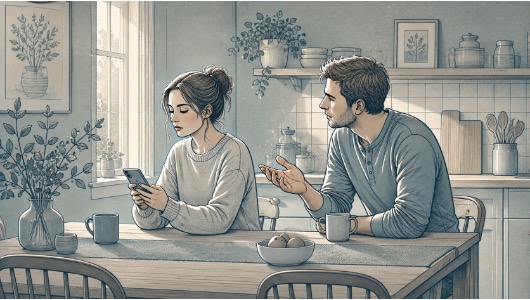
Indirect resistance can also look like agreeing on the surface, then doing the opposite in private. You ask for less screen time at meals, and they keep their phone face down but check it under the napkin. You ask for help with budgeting, and they keep making the same purchases. Each small act feels minor on its own, but the pattern is unmistakable over time.
This pattern reflects unresolved anger about a request. Instead of saying “I disagree with this plan,” the partner agrees and then quietly works against it, which makes this one of the most confusing forms of passive-aggressive behavior to live with. You feel the betrayal of the broken agreement, but you also have no clear moment of conflict to point back to as the source.
Quick Summary: 5 Signs of Passive-Aggressive Behavior
| Sign | What It Looks Like | Why It Harms the Relationship |
| Silent Treatment & Stonewalling | Refusing to talk or make eye contact when upset | Punishes the partner without giving them a chance to repair |
| Backhanded Compliments & Sarcasm | Insults wrapped in praise or jokes | Constant criticism with built-in deniability |
| Sulking & Withdrawing Affection | Visible unhappiness without explanation | Uses emotional distance and coldness as a weapon |
| Forgetfulness & Procrastination | Repeatedly forgetting tasks or stalling indefinitely | Avoids saying no while shifting the workload onto the partner |
| Indirect Resistance & Quiet Sabotage | Agreeing on the surface, then undermining the plan | Creates confusion and erodes trust over time |
How Can You Get Support for Passive-Aggressive Patterns?

The five signs above rarely show up alone. Most couples notice two or three of these patterns running side by side, and the longer the cycle continues, the harder it becomes for either partner to say what they actually need. Recognizing the behavior is the first step, but real change usually requires a structured space where both people can practice direct, honest communication with support.
Our outpatient therapy programs at Mission Connection provide adults with a structured space across California, Washington, and Virginia, offering in-person, virtual, and hybrid options that fit around work and family life. We use evidence-based approaches like CBT, DBT, EMDR, and trauma-focused therapy to help clients change long-standing communication habits and address any underlying anxiety, depression, or trauma feeding the pattern.
Frequently Asked Questions (FAQs)
Is passive-aggressive behavior a mental health condition?
Passive-aggressive behavior is a communication pattern, not an official diagnosis. It can still signal underlying anxiety, depression, trauma, or unresolved anger from earlier in life. A licensed therapist can help identify what is driving the behavior and offer treatment for the root cause rather than just the surface pattern.
Can a passive-aggressive partner actually change?
Yes, with self-awareness and consistent practice. Many people learned passive-aggressive habits in childhood homes where direct anger felt unsafe. Therapy helps them name feelings as they happen, ask for what they need, and tolerate the short-term discomfort of honest conversation. Change takes time, but happens often with the right support.
What is the difference between passive-aggressive behavior and emotional abuse?
Passive-aggressive behavior involves indirect anger and avoidance, while emotional abuse involves a deliberate pattern of control, fear, or harm. Some passive-aggressive habits can become emotionally abusive when used to punish or isolate a partner. A licensed therapist can help you assess your situation and plan safe next steps.
Should I confront my partner about their passive-aggressive behavior?
Calm, specific feedback works better than confrontation. Describe what you noticed and how it affected you, then invite a conversation. Avoid sarcasm or matching their tone, which usually escalates things. If conversations keep going in circles, couples therapy provides both partners with a structured space to break the pattern under professional guidance.
How does Mission Connection help with passive-aggressive behavior in a relationship?
Mission Connection offers outpatient therapy for adults across California, Washington, and Virginia, with in-person, virtual, and hybrid options. Our team uses CBT, DBT, and trauma-focused approaches to help clients change communication patterns, manage underlying anxiety or depression, and rebuild healthier relationships at a pace that fits daily life.