
Key Takeaways
- Passive-aggressive behavior in adults involves expressing anger, frustration, or resentment indirectly through actions such as silent treatment, sarcasm, procrastination, guilt trips, and backhanded compliments instead of honest communication.
- Common characteristics of passive-aggressive behavior include withdrawal, disguised criticism, intentional forgetfulness, hostile humor, and moodiness that create confusion and tension in relationships.
- Passive-aggressive behavior can appear in workplaces, marriages, friendships, and families, where it often damages trust, increases conflict, and prevents problems from being resolved directly.
- Passive-aggressive patterns often develop from fear of confrontation, learned communication habits, childhood experiences, or situations where people feel unable to express their feelings openly.
- Mission Connection Healthcare helps clients understand the causes of passive-aggressive behavior and build practical skills for direct, honest communication in a supportive environment.
What Does Passive-Aggressive Behavior in Adults Look Like?
Passive-aggressive behavior expresses anger indirectly through silent treatment, backhanded compliments, sarcasm, deliberate procrastination, and sulking, all designed to register displeasure without saying it outright. The gap between words and actions is the giveaway: someone insists they are fine while slamming doors, leaving you confused about whether you imagined the hostility.
While these behaviors may seem minor, they can create ongoing frustration and strain in personal and professional relationships. If passive-aggressive communication is affecting your relationships, professional support can help uncover the underlying causes and teach more effective ways to communicate.
Mission Connection Healthcare provides evidence-based outpatient treatment that helps adults build emotional awareness, improve interpersonal skills, and develop healthier relationship patterns through flexible in-person and virtual care.
What Are Common Characteristics of Passive-Aggressive Behavior?
Passive-aggressive behavior can be subtle, making it difficult to identify and address effectively. These behaviors typically involve a disconnect between what someone says and what they actually do.
The underlying message often contradicts the stated intentions, creating confusion and frustration for those on the receiving end.
1. Silent Treatment & Withdrawal
One of the most recognizable passive-aggressive behaviors is the silent treatment, which is deliberately ignoring someone or minimizing communication as punishment.
This behavior goes beyond needing space after an argument; it’s a calculated withdrawal of emotional presence meant to cause distress. Someone using this tactic might physically remain in the space but become emotionally unavailable, answering questions with one-word responses or avoiding eye contact.
2. Backhanded Compliments & Subtle Insults
These verbal jabs disguised as praise are hallmark examples of passive-aggressive communication. Statements like “You’re so brave to wear that outfit” or “I wish I could just relax about my work quality like you do” contain criticism veiled thinly as compliments.
The passive-aggressive individual maintains plausible deniability. They can always claim they meant well if challenged. These seemingly innocent remarks often leave recipients feeling confused and hurt, unsure whether they’ve been complimented or criticized.
3. Deliberate Procrastination & “Forgetting”
Deliberately failing to complete tasks or fulfill obligations represents another common passive-aggressive behavior. This might include consistently “forgetting” to perform household chores, submitting work assignments late, or neglecting responsibilities that matter to others.
What distinguishes this from simple forgetfulness is the pattern and selectivity. The person reliably remembers things important to them but “forgets” what matters to others.
4. Sarcasm & Disguised Hostility
Sarcasm becomes a passive-aggressive weapon when it’s consistently used to express negative feelings without taking ownership of them. Comments like “Nice of you to finally join us” or “Sure, that’s a great idea…if we want the project to fail” deliver criticism under the guise of humor.
When confronted, the person can easily dismiss concerns with “I was just joking” or “You’re too sensitive,” effectively gaslighting the recipient into questioning their own perceptions.
5. Sulking & Moody Behavior
A person sulking might sigh heavily, slam doors, or display visibly negative body language while insisting, “I’m fine” when asked what’s wrong. This forces others to either ignore obvious distress or repeatedly probe for information the person is unwilling to share directly.
This behavior effectively makes others responsible for addressing the passive-aggressive person’s unstated feelings. The emotional burden shifts to those around them, who must either walk on eggshells or exhaust themselves trying to decode the unspoken grievance.
Consider seeking professional guidance if you find yourself unable to change despite consistent efforts, or if your relationships continue to suffer from communication problems. In addition to understanding behaviors and support strategies, many clinics also use best physiotherapy practice management software solutions to streamline documentation, scheduling, and patient care in multidisciplinary treatment settings.
4 Examples of Passive-Aggressive Behavior in Different Relationships
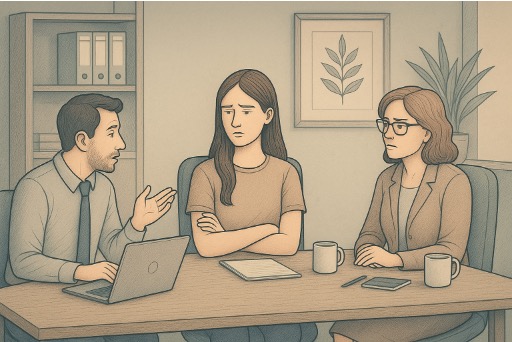
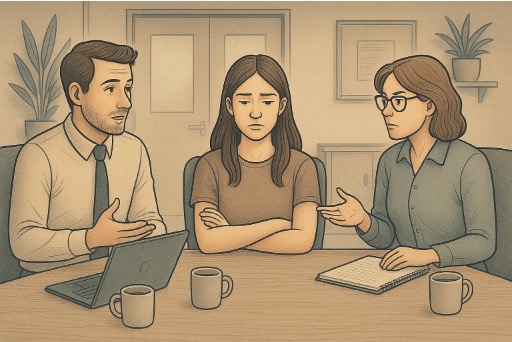
1. At Work: Missed Deadlines & Quiet Sabotage
The workplace provides fertile ground for passive-aggressive behavior, particularly when direct confrontation with authority figures feels risky.
Common examples include deliberately missing deadlines while claiming to be “swamped,” withholding important information from colleagues, making undermining comments in meetings, or providing minimal effort while technically fulfilling requirements.
These behaviors allow employees to express frustration or resentment without directly challenging management.
2. In Marriage: The Cold War of Silent Resentment
Intimate relationships often bear the brunt of passive-aggressive communication patterns, with spouses using subtle tactics to express unresolved anger.
This might include deliberately neglecting household responsibilities they know matter to their partner, using physical intimacy (or its withdrawal) as punishment, or making financial decisions without consultation.
The close nature of marriage makes these behaviors particularly damaging, as they erode the trust and emotional safety that are important for relationship health.
3. With Friends: Gossip & Behind-the-Back Criticism
Friendship circles often experience passive-aggression through indirect communication channels. Rather than addressing concerns directly with the person involved, someone might spread gossip, make subtle digs during group gatherings, or exclude specific friends from activities.
Social media has created new avenues for this behavior, with passive-aggressive individuals posting vague status updates or pointed memes clearly aimed at specific people without naming them.
4. In Families: The Guilt Trip Master
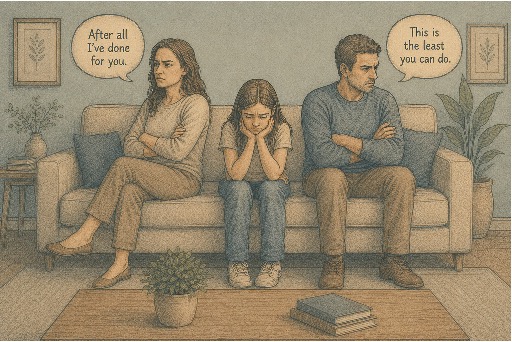
Family relationships often feature sophisticated passive-aggressive tactics developed over decades of interaction. Parents might use guilt as a weapon through statements like “After all I’ve done for you…” or “I guess I’ll just sit here alone on the holiday,” rather than directly requesting time or attention.
Holiday gatherings frequently showcase family passive-aggression, with relatives making loaded comments about life choices, parenting styles, or career paths. These criticisms are often delivered with a thin veneer of concern (“I’m just worried about you…”) that makes them difficult to challenge without appearing overly sensitive.
Transform Your Communication Patterns with Mission Connection

Passive-aggressive behavior thrives in silence, but it loses its grip the moment you name it. Spotting the silent treatment, sarcasm, or guilt trips in yourself or others is the start. From there, honest words replace hidden resentment, and your relationships at work and at home grow steadier and more genuine.
At Mission Connection Healthcare, we work with adults ready to trade indirect habits for clear, honest communication. Our therapists use Cognitive Behavioral Therapy (CBT), Dialectical Behavior Therapy (DBT), and Emotion-Focused Therapy in flexible day, evening, and weekend sessions that fit your life. Reach out to us today, and together we will take the first step toward lasting change.
Frequently Asked Questions (FAQs)
What is the root cause of passive aggressiveness?
Passive-aggressive behavior typically develops from fear of confrontation, childhood experiences where direct expression was punished, or perceived power imbalances in relationships.
Many people learned early that expressing anger directly led to rejection or conflict, making indirect methods feel safer.
How can I tell if my behavior is passive-aggressive or just conflict-avoidant?
The key difference lies in whether you’re indirectly expressing negative feelings. Conflict avoidance means simply sidestepping difficult conversations without hostility, while passive-aggression involves subtle punishment or retribution, like deliberately procrastinating on tasks, giving backhanded compliments, or using the silent treatment.
Ask yourself: “Am I just avoiding an issue, or am I finding ways to express anger without acknowledging it?” The presence of disguised negativity indicates passive-aggression.
Does passive-aggressive behavior only happen in romantic relationships?
No, passive-aggressive communication occurs across all relationship types. In workplaces, it manifests as missed deadlines and withheld information. Among friends, it appears through gossip and social exclusion. Family patterns often feature guilt trips and backhanded criticism.
How long does it take to change passive-aggressive communication habits?
Changing entrenched communication patterns typically requires consistent effort over months rather than weeks. The timeline depends on how long you’ve used these patterns, their origins, your motivation for change, and if you’re working with a therapist.
Progress often happens in stages, and inconsistency is normal and doesn’t indicate failure; recognize progress rather than expecting immediate perfection.
Can Mission Connection Healthcare help with passive-aggressive behavior patterns?
Yes, Mission Connection Healthcare specializes in evidence-based therapy that addresses passive-aggressive communication. Our therapists use various approaches, including CBT, DBT, and Emotion-Focused Therapy, to help clients understand the roots of their indirect communication patterns and develop healthier alternatives. We offer flexible scheduling with appointments available during the day, in the evenings, on weekends, and virtually to fit your life.