
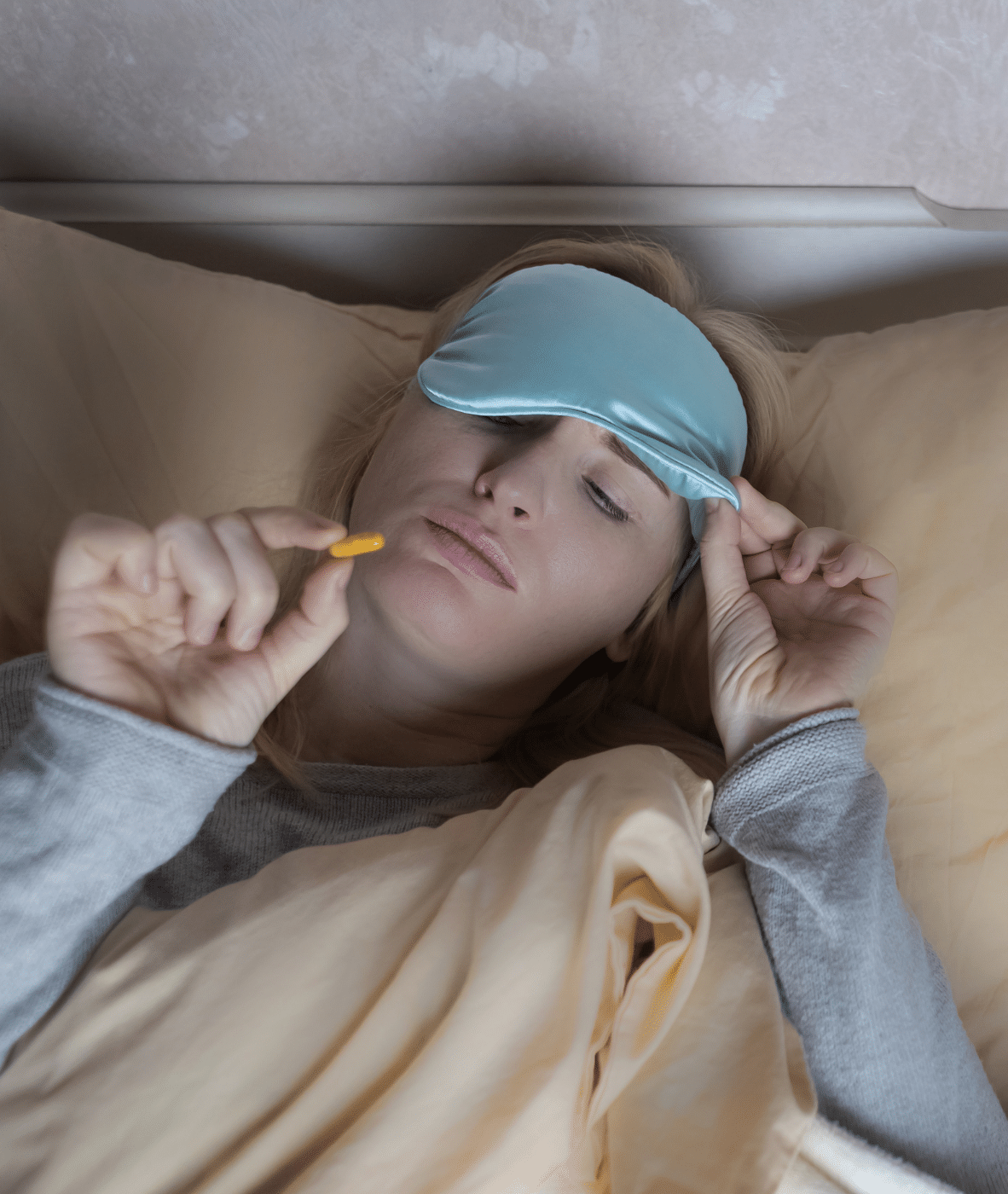
What Is Depression?
Clinical depression is an extreme sadness or low mood that can last for weeks, months, or even years. It makes carrying out everyday tasks difficult, like brushing our teeth, showering, or working.
Depression can affect anyone, and comes in different forms such as Major Depressive Disorder, Bipolar Disorder, and Seasonal Affective Disorder, to name a few.
It can also vary from feeling mild to being debilitating. If left untreated, symptoms can grow worse, which is why getting the right treatment for depression is crucial for feeling better.
What Is the Most Effective Treatment for Depression?
The treatment for depression depends on your symptoms and varies from person to person. The National Institute for Clinical Excellence (NICE) Guidelines recommend different initial treatment options depending on your symptoms, including cognitive behavioral therapy (CBT), exercise, group therapy, medications, guided self-help, and holistic approaches.[1]
These different options can be used on their own or in combination with each other. When you talk to your doctor about how to recover from depression you may come up with a plan of action – a personalized outline of the different treatments you will use to manage your symptoms and help you get better. You might hear this called a depression treatment plan, recovery program, depression intervention, or even depression rehabilitation. It can combine approaches to give you a roadmap to help you on your road to recovery. The plan can be assessed and changed as you discover what is helping and what isn’t.
We’ve done the research for you and will tell you about seven of the most effective treatments for depression on this page.
1. Depression Therapy
Therapy is a successful treatment for depression and can bring long-lasting relief. Certain therapeutic approaches have been studied and found to be useful in reducing symptoms of depression, including depression counseling, CBT, interpersonal psychotherapy, and group therapy.
Depression Counselling
Counselling sees depression as an emotional problem. Instead of giving advice or looking for practical solutions, you are encouraged to express your feelings and to make sense of them. It is usually a short-term therapy option and can help you cope with depression.[2]
Cognitive Behavioural Therapy (CBT)
CBT is a practical therapy that helps you to change unhelpful thoughts, behaviors, or beliefs that may be keeping your depression going. You can then learn to recognize, challenge, and replace these with healthier versions which will help you feel better. It is one of the most researched therapies and is found to be effective for depression relief. Also, people who had CBT for depression had lower relapse rates than people who took medication.[3]
Interpersonal Psychotherapy (IPT)
IPT for depression helps you to understand how your relationships with others affect you. It can help you uncover any problems or bad patterns in your relationships, which allows you to learn how to manage them better. If relationship problems are contributing to your depression, it means that your depressive symptoms may get better as your relationships improve. One study showed that IPT worked equally well for improving depression compared with antidepressant medications.[4]
Group Therapy
This is where therapists work with a small group of people who have similar problems. It provides a supportive space where you all come together to learn, talk, and share your experiences. The American Psychological Association finds that group therapy is as successful as one-to-one therapy, and can even be better in some circumstances because you may feel less judged being in a group of people who are experiencing the same things that you are.[5]
2. Depression Medication
Medication can be useful for reducing symptoms of depression. They can improve your mood by boosting chemicals in the brain called neurotransmitters, which are linked to your emotions. While they can lift your mood, they don’t address other underlying causes of depression, so they are often used with other treatments to get the best results.[6]
Different types of antidepressants work in unique ways on chemicals in the brain, meaning that if one doesn’t seem to have the right outcome for you, there will be others available to try.
Some of the benefits of antidepressants include:[7]
- Improved Mood: This medication works on chemicals in the brain to help lift your mood.
- Clearer Headspace: You may feel less ‘brain fog’ and be able to think clearer, allowing you to focus more.
- Quick-Working: People usually feel benefits from antidepressants within six weeks of starting them, sometimes sooner.
- Safe to Use: Medicines have to go through rigorous testing so they are generally considered safe to use when taken as prescribed.
Some of the risks of antidepressants include:[8]
- Side Effects: Antidepressants can cause side effects, with some of the most common being headaches, nausea, and fatigue. Although they can be unpleasant at first, they generally improve over time.
- One Size Doesn’t Fit All: It’s possible that the first antidepressant you try might not give you the results you are looking for, meaning you may need to try a different one.
- May Alter Sex Drive: Some antidepressants can reduce your libido or affect your sexual functioning.
- Dangerous if You Suddenly Stop Taking Them: You can experience withdrawal symptoms if you stop taking antidepressants suddenly, so always talk with your doctor before making any changes to your medication schedule.
3. Exercise for Depression
Exercise is not only good for your physical health – it also helps to improve depression symptoms. Research shows that exercising regularly can help to bring relief from depression and that it can be as much as 1.5 times better at reducing mild-to-moderate symptoms when compared with medication.[9]
When you exercise, your mind is focused on what your body is doing rather than worrying about other things. It lets you walk away from a problem, gives you time out to refocus, and you also gain the other benefits that fitness brings, making it a really healthy coping strategy.
4. Brain Stimulation Therapy
Brain stimulation therapy is a treatment option considered when other treatments haven’t worked well for you, such as therapy and medication.[10] This type of therapy involves stimulating the brain with either electricity or magnetic waves.
The most commonly used are electroconvulsive therapy (ECT) and repetitive transcranial magnetic stimulation (rTMS). rTMS has been studied and found that people felt their depression symptoms had improved by 34% after receiving this treatment.[11]
5. Holistic Approaches to Treating Depression
Holistic approaches are changes you can make to your lifestyle to improve your overall well-being, including your depression. Some of these changes include:
- Yoga: Yoga can make you stronger and more flexible, and also boost your wellbeing. The spiritual side of yoga promotes calmness, self-compassion, and self-awareness, which studies show can be useful when treating depression.[12] You can build yoga into your daily routine to have even more of an impact in helping your recovery.
- Diet: When you’re depressed you may only want to eat comfort food, or perhaps even not eat much if you’ve lost your appetite. However, research shows that following a Mediterranean diet (fruits, veg, wholegrains, fish, etc) can reduce the symptoms of depression.[13] On the other hand, diets rich in unhealthy foods have the potential to make depression symptoms worse.[14]
- Mindfulness: If you feel like your mind is always racing with thoughts and find it hard to focus, mindfulness can be a great way to help slow down and take a breather. Studies show that practicing mindfulness can reduce the amount of repetitive negative thoughts or ruminations you experience with depression.[15]
6. Depression Treatment Centers
Sometimes, depression is so bad that it feels impossible to carry on from one day to the next. If that sounds familiar, then a residential depression treatment center might be a good option.
A treatment center allows you to have support around the clock with professionals available to help you, no matter what time of the day or night it is. You’ll be looked after in a safe environment and won’t have to worry about other responsibilities while you’re there – the sole focus is on your recovery from depression. Research shows that this type of treatment can be very effective, especially if your depression symptoms are severe.[16]
7. Depression Management Strategies
There are several management strategies available to help control your symptoms, some we have already discussed on this page like diet, mindfulness, and exercise. But there are a few more that can be beneficial, such as:
- Journaling: Getting thoughts out of your head and onto paper can provide a great emotional release. Over time, you’ll be able to reflect on what you’ve written and perhaps notice patterns in the things you do and how they make you feel. Research shows that journaling can help bring relief from depression and improve your mood.[17]
- Stress Management: Feeling stressed can make you feel like you aren’t able to cope well with things life throws at you. That’s why knowing how to manage stress when you feel depressed is so important, you don’t want extra things to have to deal with on top of your symptoms. It’s never too late to learn a new skill, and studies show that learning how to better manage your stress can have a positive impact on depression.[18]
- Being Social: Having good social connections is one of the best factors to protect you against depression. It can remind us that we’re not alone and that other people can help and support us. Whether you meet family for lunch, have a chat with a friend over coffee, or attend depression support groups, you’re taking a step away from depression making you feel isolated and instead finding the support you deserve and need.[19][20]
- Pick Up a Hobby: Doing things that bring you pleasure (or that used to) can help improve your mood and lift depression. In fact, studies have found that having a hobby is linked to lower levels of depression. Even if it doesn’t boost your mood straight away, you may get a break from the negative worries and thoughts going around your mind.[21]
Depression Treatment at Mission Connection
At Mission Connection, we offer a range of treatment approaches and programs to help you recover from depression, including individual therapy, group therapy, and medication management. We offer both in-person and virtual treatment delivered by licensed therapists and clinicians, designed to fit into your schedule – help at the right time, wherever you are.
Are you ready to take the first step toward healing? We know it can feel daunting which is why we have a friendly, experienced team waiting at the end of the phone to answer your call. Contact us today to discuss the best options for your recovery.
References
- National Institute for Health and Care Excellence. (2022). Depression in adults: treatment and management (nice guideline (ng222)).
- NHS. (2025, March 5). Counselling. https://www.nhs.uk/mental-health/talking-therapies-medicine-treatments/talking-therapies-and-counselling/counselling/
- Cuijpers, P. et al. (2013). A meta-analysis of cognitive-behavioural therapy for adult depression, alone and in comparison with other treatments. The Canadian Journal of Psychiatry, 58(7), 376–385. https://doi.org/10.1177/070674371305800702
- Cohen, Z. D. et al. (2024). Comparative efficacy of interpersonal psychotherapy and antidepressant medication for adult depression: a systematic review and individual participant data meta-analysis. Psychological Medicine, 54(14), 3785–3794. https://doi.org/10.1017/s0033291724001788
- Pappas, S. (2023, March 1). Group therapy is as effective as individual therapy, and more efficient. here's how to do it successfully. American Psychological Association. https://www.apa.org/monitor/2023/03/continuing-education-group-therapy
- NHS. (2024, November 20). Overview – antidepressants. https://www.nhs.uk/mental-health/talking-therapies-medicine-treatments/medicines-and-psychiatry/antidepressants/overview/
- Mind. (2020, September). How can antidepressants help me? https://www.mind.org.uk/information-support/drugs-and-treatments/antidepressants/how-antidepressants-can-help/
- Mfa, J. H. M. M. (2024, November 12). Antidepressants 101: pros and cons. Healthline. https://www.healthline.com/health/depression/antidepressants-pros-and-cons
- Berman, R. (2023, March 3). Is exercise more effective than medication for depression and anxiety? Medical News Today. https://www.medicalnewstoday.com/articles/is-exercise-more-effective-than-medication-for-depression-and-anxiety
- National Institute of Mental Health (NIMH). (n.d.). Depression. https://www.nimh.nih.gov/health/publications/depression
- National Institute of Mental Health (NIMH). (2024, June 5). Noninvasively stimulating deep brain areas to treat depression symptoms. https://www.nimh.nih.gov/news/science-updates/2024/noninvasively-stimulating-deep-brain-areas-to-treat-depression-symptoms
- Exploring the therapeutic effects of yoga and its ability to increase quality of life. International journal of yoga, 4(2), 49–54. https://doi.org/10.4103/0973-6131.85485
- Bayes, J., Schloss, J., & Sibbritt, D. (2022). American Journal of Clinical Nutrition, 116(2), 572–580. https://doi.org/10.1093/ajcn/nqac106
- Ekinci, G. N., & Sanlier, N. (2022). The relationship between nutrition and depression in the life process: a mini-review. Experimental Gerontology, 172, 112072. https://doi.org/10.1016/j.exger.2022.112072
- Li, P. et al. (2022). Mindfulness on rumination in patients with depressive disorder: a systematic review and meta-analysis of randomized controlled trials. International Journal of Environmental Research and Public Health, 19(23), 16101. https://doi.org/10.3390/ijerph192316101
- Maß, R. et al. (2019). Inpatient treatment decreases depression but antidepressants may not contribute. a prospective quasi-experimental study. Comprehensive Psychiatry, 94, 152124. https://doi.org/10.1016/j.comppsych.2019.152124
- Baikie, K. A., & Wilhelm, K. (2005). Emotional and physical health benefits of expressive writing. Advances in Psychiatric Treatment, 11(5), 338–346. https://doi.org/10.1192/apt.11.5.338
- Najimi, A. et al. (2014). The effect of stress management training on stress and depression in women with depression disorders: using cognitive-behavioral techniques. Journal of Education and Health Promotion, 3(1), 70. https://doi.org/10.4103/2277-9531.134819
- De Risio, L. et al. (2023). Staying connected: an umbrella review of meta-analyses on the push-and-pull of social connection in depression. Journal of Affective Disorders, 345, 358–368. https://doi.org/10.1016/j.jad.2023.10.112
- Pfeiffer, P. N. et al. (2010). Efficacy of peer support interventions for depression: a meta-analysis. General Hospital Psychiatry, 33(1), 29–36. https://doi.org/10.1016/j.genhosppsych.2010.10.002
- Mak, H. W. et al. (2023). Hobby engagement and mental wellbeing among people aged 65 years and older in 16 countries. Nature Medicine, 29(9), 2233–2240. https://doi.org/10.1038/s41591-023-02506-1