Sleep Aids for Adults
For millions of adults, falling asleep isn’t as simple as just closing their eyes. It comes with a lot of tossing and turning at 2 a.m., staring at the ceiling while your mind replays tomorrow’s to-do list on a loop.
A sleepless night here and there is normal, but when it starts messing with your days and makes you foggy or cranky, or makes it a chore to get through work, it may be time to look at your treatment options.
Sleep aids like prescription or over-the-counter medications and their natural alternatives can improve your sleep quality and help you catch some solid rest. This page breaks down what sleep aids are, their different types, how they work, and the side effects to watch out for.
What Are Sleep Aids?
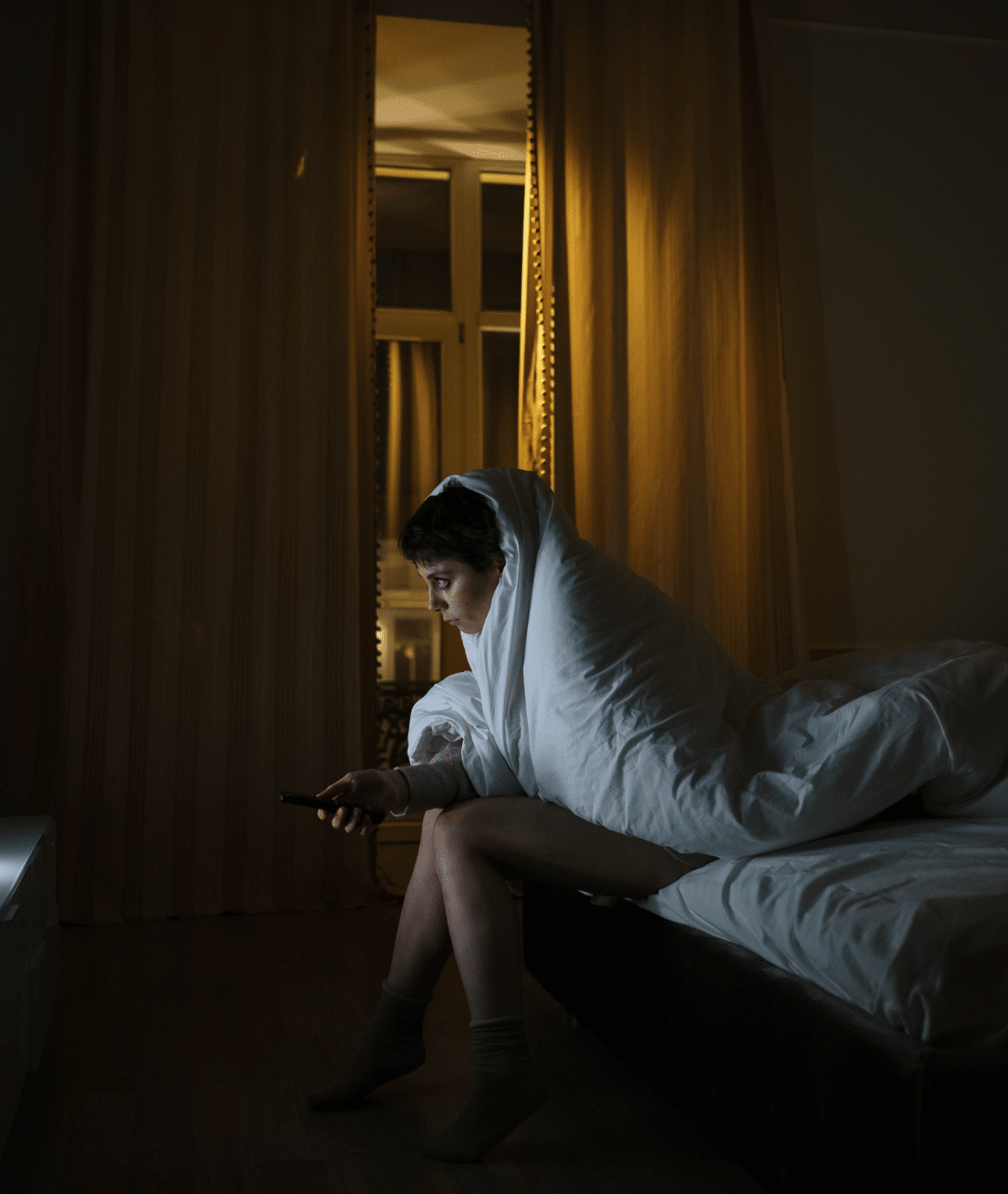
Sleep aids are substances or medications that help you go to sleep and keep you sleeping longer. They’re not a cure for insomnia or other sleep disorders, and it’s recommended that they’re not used as a long-term crutch. However, you can use them when you’re going through jet lag, high stress, illness, or just one of those unpredictable patches of poor sleep.
There are different types of sleep aids, such as:
- Prescription Sleep Aids: If you’ve talked to a doctor about long-term sleep issues, chances are they’ve discussed prescription sleep medications with you. Prescription sleep medication list includes drugs like zolpidem, eszopiclone, trazodone, and temazepam. These act on the brain to either slow brain activity or modulate the chemicals inside it, making it easier for you to sleep.[1]
- Over-the-Counter (OTC) Sleep Aids: These are the sleep aids you’ll find at your local pharmacy. Many OTC sleep aids are actually antihistamines, commonly known as “anti-allergy medicines.” One of their side effects is drowsiness, so they’re repurposed as sleep helpers.
- Natural Sleep Aids: If you’re wary of medications or prefer a more natural approach, there’s a growing list of non-prescription, non-pharmaceutical sleep aids. Examples include melatonin, magnesium, and L-theanine (the latter of which is found in green tea).
Prescription Sleep Medications
Prescription sleep medications are considered when you’ve reached a point where sleep isn’t just elusive, but it’s sabotaging your work, mood, and ability to function. The type of sleep medication you’re prescribed will depend on your exact difficulties, as different prescription medications work in different ways.
The most commonly prescribed class today, the so-called “Z-drugs,” includes Ambien (zolpidem), Lunesta (eszopiclone), and Sonata (zaleplon). They work by increasing the activity of GABA, a calming brain chemical that slows down brain activity. GABA causes sedation without heavily impacting your muscle tone or anxiety levels.
Then there are the benzodiazepines like Restoril (temazepam) or Halcion (triazolam), which you may also recognize as anti-anxiety medications. Benzodiazepines relax your muscles and ease anxiety, which is why they have been the go-to sleep aids for decades.
On the gentler end of the spectrum, you’ve got melatonin receptor agonists like Rozerem (ramelteon). Rozerem mimics the hormone melatonin, which your brain naturally produces when it’s time to wind down. It’s especially useful for people whose internal clocks are messed up, such as shift workers or long-term night owls.
Orexin receptor antagonists are a newer class of sleep-inducing drugs. These work by blocking orexin, a neurochemical that keeps you alert and awake. In other words, instead of sedating you directly, they quiet the system in your brain that helps you feel awake.
Sleep Medications for Anxiety-Related Insomnia
If your insomnia is clearly linked to anxiety, meaning it’s your thoughts and not your environment that keeps you awake, your treatment needs to address the root of the problem.
A fast-acting Z-drug can help you fall asleep, but it won’t teach your nervous system how to relax or rewire your stress response. The most effective sleep medications for anxiety-related insomnia calm the nervous system and help you feel safe enough, physically and mentally, to fall and stay asleep.
Benzodiazepines like temazepam (Restoril) or lorazepam (Ativan) are fast-acting drugs that shut down both mental and physical anxiety.[2] Another alternative is gabapentin, a drug that’s excellent for physical anxiety symptoms like muscle tightness, restless legs, or nighttime tension.
Unlike traditional sedatives, it doesn’t suppress REM sleep (the sleep phase that helps the body recover and rest the most). It is therefore a great long-term option for people with chronic anxiety.
For extreme cases, low-dose quetiapine (Seroquel) is sometimes used off-label. It’s technically an antipsychotic, but at small doses, it’s sedating and reduces racing thoughts.
Side Effects of Sleep Medications
Sleep medications come with a tradeoff. Yes, they give you the relief you’ve been craving when insomnia turns you into a ghost of yourself, but there are often side effects that come along with this.
Common side effects of sleep medications we discussed so far include:[3]
- Z-drugs: Safer than other drugs but may cause grogginess, metallic taste (Lunesta), and balance issues.
- Benzodiazepines: Drowsiness, sluggish thinking, coordination issues the next morning, and falls in older adults.
- Trazodone: Morning grogginess, dizziness, dry mouth, and blood pressure drops when standing (orthostatic hypotension).
- Mirtazapine (Remeron): Heavy sedation, increased appetite, and vivid dreams.
- Gabapentin: Dizziness, sleepiness, fatigue, and balance problems.
Prescription vs Over-The-Counter Sleep Aids
Many people wonder why some sleep medications require a prescription, while others sit freely on a drugstore shelf next to multivitamins and muscle rubs. The difference between their regulatory activity is due to how they work in the body.
Prescription sleep aids act very powerfully on the brain; they change the neurochemistry within it. Even small doses of drugs that change levels of GABA or serotonin in the brain have a huge physiological impact, and a doctor must monitor their action within your body carefully to ensure it’s not causing harm.
OTC sleep aids, on the other hand, are milder and based on ingredients deemed “safe enough” for short-term and self-directed use. Examples include:
- Diphenhydramine, sold under brand names Benadryl, Nytol, and Unisom SleepGels. It works very quickly by blocking histamine in the brain but can lead to dry mouth, grogginess, dizziness, and a wicked next-day “hangover.”[4]
- Doxylamine, commonly known as Unisom SleepTabs, is another first-generation antihistamine. It’s stronger and longer lasting than diphenhydramine.
Neither of these helps you stay asleep or improve sleep quality in the long run. They only sedate you and help you fall asleep faster.
Natural Alternatives to Sleep Aids
Prescription or OTC sleep aids can help you drift off in the short term, but they rarely address the real problems behind poor sleep quality. That’s why natural alternatives to sleep aids are a smart, sustainable route to better sleep. Here are some of them.
Herbal Remedies
Herbal remedies are often the first stop for people looking to “go natural” and stop taking sleep medications. They are usually safe and gentle, but their effectiveness is not very well researched.
Valerian root has been used for centuries as a mild sedative and works by potentially increasing GABA levels in the brain to calm the nervous system. Valerian takes a few days or even weeks to build up to noticeable results, and even then, some users do not report any difference.
Chamomile, on the other hand, is more of a relaxant than a sedative. A warm cup of chamomile tea before bed can serve as a psychological cue for winding down.
Lavender is another herbal sleep aid used in aromatherapy to reduce anxiety. Inhaling lavender essential oil through a diffuser or using a lavender pillow spray may lower heart rate and induce a more relaxed state, which results in faster sleep onset.
Melatonin Supplements
Melatonin is a hormone your body naturally produces in response to darkness to regulate your internal clock. As a supplement, melatonin is best used as a timing tool rather than a sedative.
It works best when your circadian rhythm is out of sync, like during jet lag, traveling, or shift work. It’s also helpful if you’re dealing with delayed sleep phase syndrome (where your body naturally wants to sleep very late and wake up late).
The key to melatonin is timing and dosage. The optimal dosage is between 0.3 to 1 mg, and exceeding the dose doesn’t make you sleepier; it just overwhelms your system.[5] Even more importantly, it should be taken 1.5 to 2 hours before your desired sleep time instead of right before bed.
Cognitive Behavioral Therapy for Insomnia (CBT-I)
CBT-I is a deeply researched, clinically proven approach that helps people overcome insomnia by addressing the root causes: the thoughts and behaviors that sabotage good sleep. It includes five core components:[6]
- Sleep Restriction: This may sound counterintuitive, but if you’re lying in bed awake for hours, your brain starts to associate bed with frustration, not sleep. Sleep restriction temporarily limits your time in bed to only the hours you actually sleep.
- Stimulus Control: This retrains your brain, so that it associates your bed with sleep (not scrolling, stressing, or binge-watching).
- Cognitive Restructuring: To address the anxious thoughts that keep you up, for example, “If I don’t sleep, I’ll fail at work tomorrow.” CBT-I helps you recognize and reframe these thoughts so they lose their power.
- Sleep Hygiene: More on this below, but CBT-I ensures you optimize your sleep habits, cut caffeine late in the day, avoid screens before bed, and get natural light during the day.
- Relaxation Training: To calm your nervous system with progressive muscle relaxation or deep breathing throughout the day.
Lifestyle Changes and Sleep Hygiene
If you want your body to sleep well, it’s important to ask yourself whether bedtime is currently a priority or an afterthought.
For starters, consider waking up at the same time every single day, including weekends. A routine anchors your circadian rhythm and helps your body anticipate sleep and wake times consistently.
Second, avoid any caffeine later in the day. Caffeine has a half-life of up to seven hours, meaning that a 3 PM latte will still be affecting you at 10 PM.
Your body also needs exposure to bright light in the morning, ideally natural sunlight, to be alert and shift melatonin production later in the day when you need it. At night, light exposure should drop sharply, especially blue light from phones, TVs, or tablet screens. Blue light suppresses melatonin and delays sleep onset, so winding down without screens an hour before bed can improve sleep quality.
Also, we recommend making your bedroom environment sleep-friendly. Keep it cool (60–67°F or 15–19°C) and quiet. Consider blackout curtains, white noise machines, or earplugs if needed.
Get Professional Help for Sleep Problems at Mission Connection
If sleepless nights have started to affect your focus, mood, energy levels, or overall mental and physical well-being, please stop trying to push through on your own and consider professional support.
At Mission Connection, CBT is at the heart of our approach to sustainable sleep aid and mental health care. Our CBT programs last between 8 and 20 sessions and involve 1 to 2 sessions a week over 2 to 6 months.
During this time, you’ll work with a therapist to develop clear, actionable goals across a 12-session framework that focuses not just on sleep, but on the thoughts, behaviors, and stressors that fuel insomnia.
We offer several options for effective outpatient treatment, including in-person programs at our locations in California, Virginia, and Washington, virtual telehealth, and a hybrid program that combines in-person and virtual care.
Mission Connection is Joint Commission-accredited. We also accept most major insurance providers, so that your recovery is not hindered due to financial issues. Reach out to us online or call us at 866-833-1822 to find out how we can support your long-term recovery.

References
- Brandt, J., & Leong, C. (2017). Benzodiazepines and z-drugs: an updated review of major adverse outcomes reported on in epidemiologic research. Drugs R D, 17(4), 493–507. https://doi.org/10.1007/s40268-017-0207-7
- Soyka, M. et al. (2023, August 2). Long-term use of benzodiazepines in chronic insomnia: a european perspective. Front Psychiatry, 14, 1212028. https://doi.org/10.3389/fpsyt.2023.1212028
- Fitzgerald, T., & Vietri, J. (2015). Residual effects of sleep medications are commonly reported and associated with impaired patient-reported outcomes among insomnia patients in the united states. Sleep Disord, 2015, 607148. https://doi.org/10.1155/2015/607148
- Zhang, D., Tashiro, M., Shibuya, K., et al. (2010). Next-day residual sedative effect after nighttime administration of an over-the-counter antihistamine sleep aid, diphenhydramine, measured by positron emission tomography. J Clin Psychopharmacol, 30(6), 694–701. https://doi.org/10.1097/jcp.0b013e3181fa8526
- Tuft, C. et al. (2023, January 12). Current insights into the risks of using melatonin as a treatment for sleep disorders in older adults. Clin Interv Aging, 18, 49–59. https://doi.org/10.2147/CIA.S361519
- Walker, J. et al. (2022). Cognitive behavioral therapy for insomnia (cbt-i): a primer. Klin Spec Psihol, 11(2), 123–137. https://doi.org/10.17759/cpse.2022110208