

Key Takeaways
- Fainting from anxiety happens through a vasovagal response, where stress causes a sudden drop in heart rate and blood pressure that briefly cuts blood flow to the brain.
- Warning signs like dizziness, tunnel vision, nausea, and leg weakness build fast, giving you a short window to act before consciousness is lost.
- Five in-the-moment moves can abort an episode within 60 to 90 seconds: lying down with legs raised, counterpressure, box breathing, grounding, and self-talk.
- Long-term Cognitive Behavioral Therapy (CBT), Exposure Therapy, and daily habits like hydration, regular meals, sleep, and mindfulness reduce the frequency of episodes.
- For adults whose anxiety shows up physically as dizziness or near-fainting, Mission Connection offers anxiety treatment using CBT, DBT, and mindfulness techniques through outpatient and telehealth care.
Preventing Fainting from Anxiety: What You Need to Know
The fastest way to stop fainting from anxiety is to catch the early warning signs and use physical countermeasures, such as lying down with your legs up, tensing your muscles, and slowing your breathing, to restore blood flow before you lose consciousness. Done right, these moves can abort an episode within 60 to 90 seconds.
What makes them work is that anxiety fainting is physical, not just emotional. It runs on a vasovagal reflex, a sudden drop in heart rate and blood pressure, so the countermeasures that help are the ones that physically push blood back toward your brain.
Stopping an episode is only half the work, though. Having fewer of them takes therapy like CBT and exposure work, plus steadier daily habits. This article covers those long-term tools after the five immediate ones, along with the structured anxiety care Mission Connection provides for adults.
How Can You Tell That You Are About to Faint from Anxiety?
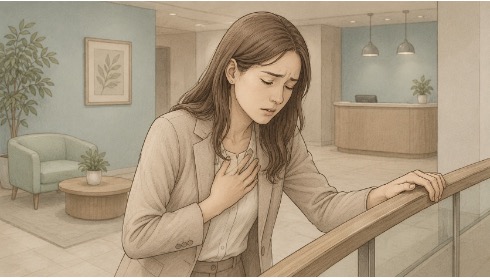
Your body almost always gives warning signs before you lose consciousness. Catching these early signals gives you a window of time to act, and the earlier you notice them, the more options you have.
Common early warning signs include:
- Sudden dizziness or lightheadedness
- Tunnel vision or blurring at the edges of your sight
- Nausea or an unsettled stomach
- Pale or clammy skin
- A wave of warmth followed by cold sweating
- Ringing in the ears or muffled sounds
- Weakness or a rubbery feeling in the legs
These symptoms overlap with general anxiety, which is why they are easy to dismiss until things escalate. The key difference is that pre-fainting symptoms build quickly and feel distinctly physical rather than purely emotional. If you notice two or more at once, treat it as your cue to act right away.
What to Do If You Feel Faint: Immediate Coping Strategies
1. Find a Safe Place to Sit or Lie Down
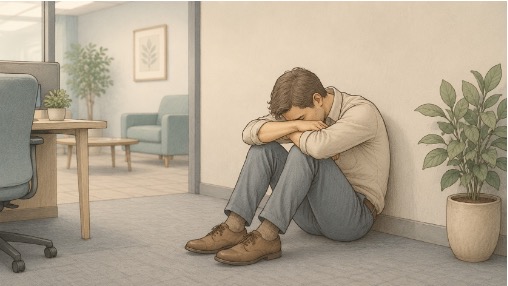
The moment you feel pre-fainting symptoms, your first priority is getting low to the ground safely. If you can, lie flat on your back and elevate your legs above heart level, propped against a wall or resting on a bag. This position uses gravity to push blood back toward your brain, counteracting the drop in circulation that causes fainting.
If lying down is not possible, sit with your head between your knees. Do not try to push through the feeling while standing.
2. Use Physical Counterpressure to Boost Blood Flow
Counterpressure maneuvers are clinically recognized techniques that can raise blood pressure quickly and help abort a vasovagal episode. Try tensing the muscles in your legs, abdomen, and arms at the same time, holding for 10 to 15 seconds, then releasing.
You can also cross your legs tightly while standing and squeeze. These movements activate your skeletal muscles, which act like pumps that push blood back up toward the brain. Research supports these maneuvers as an effective short-term intervention during the prodrome phase, the period just before fainting occurs.
3. Slow Your Breathing Down Immediately
If hyperventilation is contributing to your symptoms, controlled breathing is non-negotiable. Try box breathing: inhale for 4 counts, hold for 4 counts, exhale for 4 counts, hold for 4 counts, and repeat.
This technique restores carbon dioxide balance in the blood and signals your nervous system to shift out of fight-or-flight mode. A few cycles can produce noticeable relief within 60 to 90 seconds.
Avoid deep gasping breaths, which is a common instinct during panic. That actually worsens hyperventilation. Slow, deliberate breathing is always more effective when anxiety spikes.
4. Try a Grounding Exercise to Calm Your Nervous System
Grounding techniques pull your attention away from the internal panic spiral and anchor it to your immediate physical environment. The most effective one in a pre-fainting moment is the 5-4-3-2-1 method: identify 5 things you can see, 4 things you can feel, 3 things you can hear, 2 things you can smell, and 1 thing you can taste.
This works because it forces your brain to engage its sensory processing centers, which competes directly with the threat-response loop driving your anxiety.
5. Use Positive Self-Talk to Break the Panic Loop
What you tell yourself during a near-fainting episode has a measurable impact on how your body responds. Catastrophic thinking, like telling yourself “I’m going to pass out and humiliate myself,” activates more stress hormones and accelerates the vasovagal response. Replacing that narrative with grounded, factual statements interrupts the feedback loop before it escalates.
Specific phrases that work well include: “I feel dizzy, but I am lying down, and I am safe,” “Anxiety can make me feel faint, but I have never actually fainted before,” or “This feeling is temporary and will pass.” These are accurate, reality-based statements that give your nervous system a different signal to work with. Keep them short, specific, and believable to you personally.
Long-Term Strategies to Prevent Anxiety Fainting
Immediate coping tools matter, but if anxiety-related fainting is a recurring issue, managing it in the moment is only half the solution. Long-term strategies target the underlying anxiety driving these episodes, reducing both their frequency and intensity over time. The three most evidence-backed approaches are Cognitive Behavioral Therapy, Exposure Therapy, and consistent daily habits that lower your baseline stress response.
Cognitive Behavioral Therapy (CBT)

CBT is one of the most well-researched treatments for anxiety disorders, and it is particularly effective for people whose anxiety includes physical symptoms like dizziness and presyncope. The core mechanism is simple: CBT helps you identify catastrophic thought patterns, challenge their accuracy, and replace them with more balanced thinking.
For anxiety-related fainting, CBT directly addresses the fear of fainting itself, which is one of the key drivers that makes future episodes more likely. Working with a trained therapist over a structured course of sessions can rewire how your brain interprets and responds to anxiety triggers.
Exposure Therapy
Exposure therapy takes CBT a step further by gradually and safely introducing you to the situations or sensations that trigger your anxiety, under controlled conditions. For fainting-related anxiety, this might involve learning to tolerate dizziness in a safe setting or returning to places where fainting previously occurred.
Over time, repeated exposure without the feared outcome teaches your nervous system that the trigger is not actually dangerous, reducing the intensity of the physical stress response it produces. This process, called habituation, is one of the strongest long-term tools available for breaking the fainting-anxiety cycle.
Daily Habits That Reduce Your Body’s Stress Response
Therapy creates the framework, but daily habits are what maintain it. Several consistent practices have direct, measurable effects on how your nervous system handles stress:
- Stay hydrated: Dehydration reduces blood volume, increasing the risk of fainting. Aim for steady fluid intake throughout the day, even before you feel thirsty.
- Eat regularly: Skipping meals drops blood sugar and compounds anxiety-driven symptoms. Small, frequent meals stabilize glucose and reduce vulnerability to stress spikes.
- Exercise consistently: Moderate exercise strengthens cardiovascular regulation and lowers baseline cortisol, making your body more resilient to anxiety.
- Prioritize sleep: Sleep deprivation heightens the amygdala’s threat response and weakens your prefrontal cortex’s ability to regulate it. One poor night can sharpen both anxiety and physical symptoms.
- Practice mindfulness: Even 10 minutes daily lowers the overall reactivity of your stress response system over time, beyond the moments you practice.
How Can Mission Connection Help Individuals Struggling with Anxiety?

Anxiety-related fainting responds well to treatment when both sides are addressed: the in-the-moment physical response and the underlying anxiety that triggers it. With the right tools and consistent support, most adults see fewer episodes, less fear around them, and a steadier baseline over time.
At Mission Connection, we work with adults whose anxiety shows up physically through dizziness, near-fainting, and panic symptoms. Our outpatient programs combine CBT, Dialectical Behavior Therapy (DBT), mindfulness, and trauma-focused therapy across in-person and telehealth options. Reach out to Mission Connection today to talk through what care could look like for you.
Frequently Asked Questions (FAQs)
Can anxiety actually make you faint?
Yes, but it is less common than most people fear. True fainting from anxiety happens through the vasovagal response, where an intense emotional trigger drops heart rate and blood pressure enough to briefly cut blood flow to the brain. Most people having an anxiety attack do not actually faint, even when they feel certain they will.
Can fainting from anxiety be prevented long-term?
Yes, and for most people, very effectively. Prevention works on two levels: lowering the physical vulnerability that makes fainting more likely, and addressing the anxiety that triggers the vasovagal response. Consistent hydration, regular meals, adequate sleep, and therapies like CBT and exposure therapy all reduce both the frequency and severity of episodes over time.
When should I see a doctor about fainting from anxiety?
While anxiety-related fainting is usually harmless, some situations warrant prompt medical evaluation. See a doctor if you faint for no identifiable reason, if episodes get more frequent or severe, if you have chest pain or heart palpitations, or if you injure yourself during a fall. A workup can rule out conditions like cardiac arrhythmia, low blood pressure disorders, hyperthyroidism, and anemia.
What physical symptoms typically accompany anxiety?
Anxiety activates the fight-or-flight system, which affects nearly every major organ. Common symptoms include a racing heartbeat, shortness of breath, chest tightness, trembling, sweating, nausea, dizziness, lightheadedness, tingling in the hands and face, and muscle tension. Dizziness and lightheadedness are what most often lead people to fear fainting, even when the body is not close to losing consciousness.
Does Mission Connection handle anxiety cases?
Yes. Mission Connection treats anxiety in adults through flexible outpatient care, including in-person and telehealth options. Our clinicians use evidence-based approaches like CBT, DBT, mindfulness, and trauma-focused therapy to address both the emotional and physical sides of anxiety, including symptoms like dizziness and near-fainting.


