


Key Takeaways
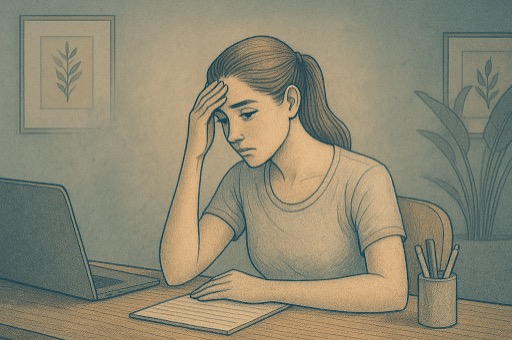
- Adult women often live with undiagnosed ADHD for years because their patterns tend to be internal and quiet, showing up as racing thoughts, masking, and emotional sensitivity rather than the visible restlessness more common in men.
- Eight recurring patterns shape daily life for women with ADHD, including mental chatter, time blindness, unfinished projects, hyperfocus, chronic disorganization, rejection sensitivity, exhaustion from masking, and emotional overwhelm.
- Recognizing these patterns in oneself is not the same as a diagnosis, since only a qualified clinician can confirm ADHD, but noticing them is often the first reason women seek professional support.
- Mission Connection Healthcare offers personalized care through in-person and virtual evidence-based programs that help women build coping skills, strengthen executive functioning, and improve overall well-being.
How Does Undiagnosed ADHD Affect Adult Women?
Undiagnosed ADHD can affect nearly every part of an adult woman’s life, from work performance and time management to emotional regulation and relationships. Common signs include persistent mental restlessness, difficulty staying organized, unfinished projects, hyperfocus, rejection sensitivity, and exhaustion from constantly trying to compensate for symptoms. Because these traits are often less visible than traditional hyperactivity, many women spend years without a diagnosis.
For women looking for support, Mission Connection Healthcare offers outpatient mental health programs that address ADHD-related challenges alongside concerns such as anxiety, burnout, and low self-esteem. Through flexible in-person and telehealth care, individuals can access evidence-based therapies that strengthen coping skills, emotional regulation, and executive functioning.
What Are the Common Signs of ADHD in Adult Women?
Many of these ADHD symptoms appear in childhood but may go unrecognized until adulthood, when life demands become more complex.
1. Constant Mental Chatter & Racing Thoughts
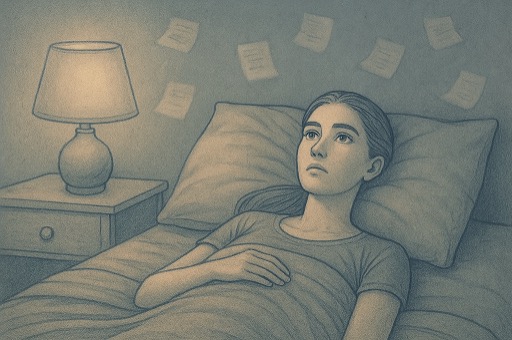
Women with ADHD often experience nonstop mental activity, with thoughts jumping rapidly from one topic to another. This internal hyperactivity is exhausting and can make relaxation, focus, and sleep difficult. Unlike the physical hyperactivity seen more commonly in males, this mental restlessness is often mistaken for overthinking or anxiety.
Many women rely on podcasts, meditation apps, or other calming routines just to quiet their minds enough to rest. The constant noise also tends to peak at night, which is why insomnia and delayed sleep onset are common companions to ADHD in women.
2. Emotional Sensitivity That Feels Overwhelming
Emotional dysregulation is a central but often overlooked aspect of ADHD in women. Emotions may feel more intense, with rapid mood shifts and difficulty controlling responses. Everyday challenges or criticism can feel crushing, and this heightened sensitivity is often misdiagnosed as a mood or personality disorder.
Recognizing it as part of ADHD can help women develop coping strategies and reduce self-blame. Hormonal shifts during the menstrual cycle, pregnancy, and perimenopause can also amplify these emotional swings.
3. Starting Many Projects But Finishing Few
A common ADHD pattern is beginning multiple projects or hobbies with enthusiasm but struggling to maintain focus to completion. Closets full of craft supplies, half-read books, or unfinished courses are common. This reflects how ADHD affects attention, motivation, and reward processing.
Over time, this can create frustration, self-doubt, and feelings of underachievement. The ADHD brain tends to release more dopamine during the novel “starting” phase, which is why follow-through feels so much harder than getting started.
4. Exhaustion From Masking Symptoms
Women often develop sophisticated strategies to hide their struggles, known as masking. This might include creating detailed reminders, over-preparing for social interactions, or working long hours to appear organized. While effective in the short term, masking is exhausting and can lead to burnout, anxiety, and depression.
Many women describe feeling disconnected from their authentic selves after years of constant effort. Masking is also one of the main reasons ADHD goes undiagnosed in girls and teens, since the symptoms get hidden long before anyone notices them.
5. Time Blindness & Chronic Lateness
Time perception difficulties, or “time blindness,” make it challenging to estimate how long tasks will take. This can result in chronic lateness, missed deadlines, or overbooked schedules despite genuine effort.
Misunderstandings about punctuality may cause social or professional friction, adding to stress. Many women with ADHD also struggle with the “now versus not now” sense of time, where future deadlines feel abstract until they suddenly become urgent.
6. Hyperfocus on Interesting Activities
ADHD is as much about regulating attention as sustaining it. Women may become so absorbed in engaging activities that they lose track of time, skip meals, or neglect responsibilities.
Hyperfocus can be a strength in creative or problem-solving tasks, but it may also disrupt daily routines if unmanaged. Coming out of a hyperfocus state can feel disorienting, leaving women drained and behind on everything they were avoiding.
7. Difficulty With Daily Organization
Routine organizational tasks, from managing paperwork to maintaining a tidy home, can feel overwhelming. Executive functioning differences make planning, sequencing, and maintaining systems difficult.
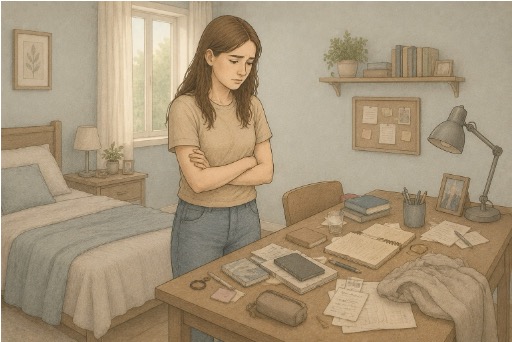
Even with significant effort, organizational routines may fail repeatedly, causing frustration and stress. Many women find that systems work for a few weeks before falling apart, which often gets misread as a personal failing rather than an ADHD pattern.
8. Rejection Sensitivity & People-Pleasing
Rejection Sensitive Dysphoria (RSD) is common in women with ADHD. It often shows up as replaying conversations for hours, apologizing reflexively, or shrinking from feedback that wasn’t meant to wound.
Intense reactions to perceived criticism may lead to people-pleasing, avoidance of evaluative situations, or difficulty asserting boundaries. Early experiences of negative feedback for ADHD-related behaviors can create lasting fear of judgment and self-doubt.
8 Common Undiagnosed ADHD Signs in Adult Women: Summary Table
| Sign | What It Looks Like |
| Constant Mental Chatter and Racing Thoughts | Nonstop inner dialogue, thoughts jumping between topics, trouble winding down at night |
| Emotional Sensitivity That Feels Overwhelming | Intense mood shifts, criticism feels crushing, emotions hit harder than expected |
| Starting Many Projects But Finishing Few | Half-finished crafts, unread books, abandoned courses, strong starts that fizzle out |
| Exhaustion From Masking Symptoms | Over-preparing, detailed reminders, and working longer hours to appear organized |
| Time Blindness and Chronic Lateness | Underestimating tasks, missing deadlines, and overbooking despite real effort |
| Hyperfocus on Interesting Activities | Losing hours in a task, skipping meals, and ignoring responsibilities |
| Difficulty With Daily Organization | Systems fall apart after a few weeks, paperwork piles up, and routines break down |
| Rejection Sensitivity and People-Pleasing | Replaying conversations, reflexive apologies, avoiding feedback or boundaries |
Taking the Next Step: How Can Mission Connection Help?
Recognizing these eight signs in yourself does not confirm a diagnosis, but it is a strong signal that professional support could help. Only a qualified clinician can assess whether ADHD is the underlying cause. If the patterns feel familiar, that recognition is reason enough to reach out and get a clearer answer.
At Mission Connection Healthcare, we offer outpatient therapy for women working through ADHD and the anxiety, burnout, or low self-worth that often comes with it. Our in-person, telehealth, and hybrid programs use Cognitive Behavioral Therapy (CBT), Dialectical Behavior Therapy (DBT), and personalized coaching to help you build focus, regulate emotions, and feel more in control. Start your journey to better mental health today.
Frequently Asked Questions (FAQs)
Can women develop ADHD later in life?
ADHD starts in childhood, but symptoms may go unnoticed until adulthood. Life changes, stress, or hormonal shifts can reveal previously compensated or masked ADHD, making symptoms more apparent when coping strategies are overwhelmed.
How does a woman know if she has ADHD?
Women with ADHD often experience mental restlessness, emotional sensitivity, difficulty managing time, challenges with organization, periods of intense hyperfocus, and heightened rejection sensitivity. These symptoms can impact daily functioning, relationships, and professional or academic performance.
Why is ADHD overlooked in women?
ADHD is frequently overlooked in women because they internalize symptoms, mask struggles, and use coping strategies that hide difficulties. Unlike hyperactive behaviors in men, these subtle signs are less noticeable, delaying recognition and diagnosis.
What role does emotional sensitivity play in ADHD for women?
Emotional sensitivity in women with ADHD can cause intense mood swings, rapid emotional responses, and rejection sensitivity. These patterns affect self-esteem, stress management, and relationships, often requiring therapeutic strategies to improve emotional regulation and resilience.
Can therapy alone help manage ADHD?
Yes. Evidence-based therapies like CBT, DBT, and ADHD coaching can improve focus, executive functioning, emotional regulation, and daily life management. Programs at Mission Connection Healthcare provide personalized therapy plans, helping many women manage ADHD effectively without relying solely on medication.