
Skip to content
  • Our Treatments
    • Teen Online Therapy
    • Trauma Treatment
      • Treatment for Trauma and Abuse
      • Childhood Trauma
      • Emotional Abuse
      • Domestic Abuse
      • Sexual Abuse
      • Psychological Trauma
      • Physical Abuse
    • Depression Treatment
      • What Is Depression?
        • Depression in Women
        • Depression in Men
        • Depression in Teens
        • Depression in Older Adults
        • Signs and Symptoms of Depression
        • Causes of Depression
        • Types of Depression
        • Major Depressive Disorder
        • Persistent Depressive Disorder
        • Prenatal and Postpartum Depression
        • Treatment-Resistant Depression
      • Depression and Co-Occurring Mental Health Conditions
        • Depression and PTSD
        • Depression vs. Anxiety
        • Trauma and Depression
      • The Best Treatment Options for Depression
        • Therapy for Depression
        • Medication for Depression
        • Online Therapy for Depression
        • Exercise for Depression
        • Holistic Approaches to Treating Depression
        • 10 Self-Care Tips for Managing Depression
      • How to Support Loved Ones With Depression
      • How Does Depression Differ Between Populations?
      • Depression Relapse Prevention
    • Bipolar Treatment
      • Bipolar I Disorder
      • Bipolar II Treatment
      • Cyclothymic Disorder (Cyclothymia)
      • What Is Rapid Cycling Bipolar Disorder?
    • Anxiety Treatment
      • Panic Disorder & Panic Attacks
      • Social Anxiety Disorder
      • Generalized Anxiety Disorder
    •  ADHD
    • Schizophrenia Treatment
    • Psychosis
    • Self-Harm
      • Suicidal Thoughts
    • Anger Treatment
      • Anger Management Issues
      • Anger Management Issues in Relationships
      • Road Rage in Adults
      • Workplace Anger
      • Chronic Anger Issues
      • Conduct Disorder
      • Rage Disorder
      • Oppositional Defiant Disorder
      • Intermittent Explosive Disorder
      • Displaced Anger
      • Suppressed Anger
      • Passive-Aggressive Behavior
    • Outpatient Mental Health Treatment for Pregnant Women
    • Outpatient Mental Health Treatment for Veterans
  • Mental Health
    • Obsessive Compulsive Disorder
      • OCD Symptoms
      • Obsessive-Compulsive Disorder Risk Factors
      • OCD Exposure Therapy
      • Living With OCD: OCD Coping Strategies and Support
    • Seasonal Affective Disorder
      • Seasonal Depression Relief: SAD Coping Strategies
      • Seasonal Depression Treatment
    • Somatic Symptom Disorder
      • Somatic Symptom Disorder vs Conversion Disorder
      • Somatic Symptom Disorder Symptoms
      • Causes of Somatic Symptom Disorder
      • Treatment Approaches for Somatic Symptom Disorder
      • Coping With Somatic Symptom Disorder
    • Eating Disorders
      • Anorexia Nervosa
      • Bulimia Nervosa
      • Eating Disorder Symptoms
      • Binge Eating Disorder
    • Psychosomatic Disorders
      • Psychotherapy for Psychosomatic Disorders
      • Medication Management in Psychosomatic Disorders
      • Living With Psychosomatic Disorders
      • Psychosomatic Disorder Treatment Programs
      • Mind-Body Therapies in Psychosomatic Disorder Treatment
    • Adjustment Disorders
      • Adjustment Disorder Coping Strategies
      • Adjustment Disorder Treatment
      • Types of Adjustment Disorders and Support Options
    • Dissociative Identity Disorder
      • Symptoms of Dissociative Identity Disorder
      • Treatment Approaches for Dissociative Identity Disorder
      • Causes & Risk Factors of Dissociative Identity Disorder
      • DID Co-Occurring Disorders
    • Narcissistic Personality Disorder
      • Causes of Narcissistic Personality Disorder
      • Narcissistic Personality Disorder Symptoms
      • Narcissistic Personality Disorder Impact on Relationships
    • Sleep Problems in Adults
      • Insomnia in Adults
      • Nightmares in Adults
      • Sleep Paralysis in Adults
      • Oversleeping & Hypersomnia in Adults
      • Restlessness in Adults
      • Nighttime Anxiety
      • Parasomnias in Adults
      • Daytime Fatigue & Low Energy in Adults
      • Sleep Disruption in Adults
    • Thought-Related & Cognitive Symptoms in Adults
      • Racing Thoughts in Adults
      • Memory Problems & Brain Fog in Adults
      • Dissociation in Adults
      • Intrusive Thoughts in Adults
      • Indecisiveness in Adults
      • Disorientation & Confused Thinking in Adults
      • Overthinking & Rumination in Adults
      • Stress-Induced Forgetfulness
      • Processing Difficulties
      • False Memories
      • Disturbing Mental Imagery
      • Loss of Objectivity
      • Compromised Judgment Under Stress
      • Black and White Thinking
      • Compulsive Mental Checking in Adults
      • Catastrophic Thinking in Adults
      • Interruptions in Thought Processes
      • Paranoid Thoughts in Adults
      • Distorted Sense of Time in Adults
    • Emotional & Behavioral Symptoms in Adults
      • Mood Swings in Adults
      • Irritability in Adults
      • Crying Spells in Adults
      • Self-Destructive Behavior in Adults
      • Emotional Numbness in Adults
      • Impulsivity in Adults
      • Perfectionism in Adults
      • Excessive Guilt & Shame in Adults
      • Emotional Overreactions in Adults
      • Trauma-Related Emotional Flashbacks
      • Hopelessness in Adults
      • Difficulty Expressing Emotions
      • Anhedonia in Adults
      • Chronic Dissatisfaction
      • Excessive Self-Criticism in Adults
      • Hypomania Symptoms in Adults
      • Avoiding Responsibilities in Adults
      • Self-Isolation After Arguments in Adults
    • Social & Interpersonal Difficulties in Adults
      • Social Withdrawal in Adults
      • Jealousy & Insecurity in Adults
      • Controlling Behavior in Adults
      • Approval-Seeking Behavior in Adults
      • Trouble Trusting Others in Adults
      • Conflict Avoidance in Adults
      • Fear of Abandonment in Adults
      • People-Pleasing Behavior in Adults
      • Codependency in Adults
      • Fear of Rejection in Adults
      • Overcompensating in Adult Relationships
      • Social Comparison in Adults
      • Oversharing in Adults
      • Over-Apologizing in Adults
      • Avoiding Eye Contact in Adults
      • Distrust of Authority in Adults
      • Fear of Intimacy in Adults
      • Refusal to Ask for Help in Adulthood
      • Feeling Like a Burden in Adulthood
    • Physical & Stress-Related Symptoms in Adults
      • Skin Picking in Adults
      • Heart Palpitations & Anxiety in Adults
      • Nausea from Stress or Anxiety
      • Headaches Related to Stress & Anxiety in Adults
      • Chronic Fatigue in Adults
      • Panic Attacks in Adults
      • Stress & Emotional Eating in Adults
      • Loss of Appetite in Adults
      • Hypervigilance in Adults
      • Muscle Tension & Trembling in Adults
      • Dizziness Under Stress
      • Stress-Related Urination
      • Shifts in Sexual Desire in Adults
      • Stress-Induced Sweating
      • Restlessness & Anxiety
      • Bruxism in Adults
      • Low Immunity in Adults
      • Paresthesia Related to Stress
      • Nervous Fidgeting in Adults
  • Our Approaches
    • Cognitive Behavioral Therapy (CBT)
    • Trauma-Focused Therapy
    • Online Talk Therapy
    • Exposure Therapy for Anxiety
    • Mindfulness Therapy
    • Humanistic Therapy
    • Dialectical Behavior Therapy (DBT)
    • EMDR Therapy
    • Emotion-Focused Therapy
    • Transcranial Magnetic Stimulation (TMS)
    • Telehealth for Mental Health
      • How to Prepare for Your First Teletherapy Appointment
      • Technology Barriers in Telehealth Treatment
      • How Effective Is Teletherapy for Severe Mental Illness?
      • How to Get a Psychiatric Evaluation Online
    • Somatic Therapy for PTSD & Anxiety
    • Narrative Therapy for Trauma Recovery
    • Internal Family Systems Therapy
    • Art Therapy for Emotional Expression
    • Mindfulness-Based Cognitive Therapy
    • Acceptance and Commitment Therapy (ACT)
    • Psychodynamic Therapy
  • Cost
    • Payment Options
    • Using Insurance to Cover Mental Health Treatment
      • Aetna
      • Blue Cross Blue Shield
      • Cigna
      • ComPsych
      • Employers Health Network (EHN)
      • First Health Network
      • Halcyon
      • HMC HealthWorks
      • Magellan
      • Kaiser
      • Optum
      • UMR
  • Our Facilities
    • California
      • San Juan Capistrano – CA
    • Virginia
      • Arlington – VA
      • Falls Church – VA
    • Washington
      • Green Lake – WA
      • Bellevue – WA
  • Resources
    • Blog
    • Mental Health Assessments
    • Downloadable PDF’s
      • Teen Outpatient Programs
      • Adult Outpatient Programs
    • Your Legal Rights in Mental Health Treatment
      • Virginia: Emergency Custody Orders and Temporary Detention Orders
      • Washington Crisis Intervention, Court-Ordered Treatment, and Patient Rights
      • California: Involuntary Commitment, Psychiatric Holds, and Legal Protections
      • Community Treatment Orders (CTOs)
      • Confidentiality in Telehealth: Is Virtual Therapy Secure?
      • Patient Confidentiality: HIPAA and Mental Health Treatment
      • The Role of Case Managers in Virtual Mental Health Programs
      • Employment Law and Mental Health: Your Rights in the Workplace
      • Your Rights in Psychiatric Hospitalization
      • Can Employers Discriminate Based on Mental Health?
      • Parental Mental Health and Custody Battles
      • Clinical Negligence in Mental Health
    • Mental Health Interventions: How to Approach a Loved One About Mental Health Treatment
      • When Someone Refuses Help: Resistance to Treatment
      • Panic Attack Intervention Tips for Adults
      • Helping Adults in Abusive Relationships
      • PTSD Interventions for Adults
      • How to Recognize Psychosis in Adults
      • Helping Adults With Severe Depression
    • Family Guide: Joining the Treatment Process
      • Crisis Situations: How to Support a Loved One
      • Setting Boundaries With Someone Having Treatment
      • Supporting Your Spouse With Severe Mental Illness
      • What to Say to Someone in a Mental Health Crisis
      • Talking to Children About a Parent’s Mental Health Condition
      • Financial Planning for Mental Health Treatment
      • Recognizing Co-Dependency: When Support Becomes Enabling
      • Encouraging a Loved One to Stay in Therapy
      • How to Support a Veteran Struggling With Mental Health
    • Innovative Treatments in Mental Health Care
      • What Is Neurofeedback Therapy?
      • What Is Transcranial Magnetic Stimulation? And Does It Work?
    • Resources for Professionals
      • Building a Mental Health Action Plan for Your Workplace
      • Human Resource’s Role in Workplace Mental Health
      • Supporting Employees After Mental Health Leave: Creating a Reentry Plan
      • How Leaders Can Promote Mental Well-Being in the Workplace
      • Supporting Mental Health in High-Stress Professions
      • Mental Health Breakdown at Work
    • Referrals: Confidentiality and Mental Health Referrals
      • Case Workers: Referring Clients for Residential or Outpatient Care
      • How to Refer a Client for Psychiatric Evaluation
      • Coordinating Care in Mental Health Treatment
      • How to Talk to Your Employer About Extended Leave for Mental Health
      • Court-Appointed Mental Health Treatment Referrals
      • Mental Health Referrals From Crisis Hotlines
      • Mental Health Referrals From First Responders
      • Mental Health Referrals From Social Workers
      • Mental Health Referrals From Lawyers
      • Mental Health Referrals From Insurance Case Managers
      • Hospital Mental Health Referrals
      • Mental Health Referrals From Therapists
      • Mental Health Referrals From Probation Officers
      • Mental Health Referrals From Universities
      • Mental Health Referrals From Urgent Psychiatric Care
      • Mental Health Referrals From Interventionists
      • Mental Health Referrals From Pastoral Care
      • Mental Health Referral From Life Coaches
      • Mental Health Referrals From Disability Services
      • Mental Health Referrals From Domestic Violence Centers
      • Employee Assistance Program Mental Health Referrals
      • Mental Health Referrals From Urgent Care Clinics
      • VA Mental Health Referrals: Veteran Affairs Therapy Programs
      • Mental Health Referrals From MAT Physicians
      • Mental Health Referrals From Primary Care Doctors
      • Mental Health Referrals From Child Protective Services
      • Community Mental Health Referrals: From Referral to Recovery
    • Self-Help: How to Build a Self-Care Routine for Mental Wellness
      • Exercise and Mental Health
      • Journaling for Mental Health
      • Grounding Techniques for Anxiety and Panic Attacks
      • Cognitive Behavioral Therapy Techniques You Can Try at Home
      • Mindfulness and Meditation for Stress Reduction
    • Preparing for Mental Health Treatment: Types of Treatment Plans
      • Graduating from an Outpatient Program: Creating a Long-Term Mental Health Plan
      • When to Step Down From PHP to IOP
      • Partial Hospitalization Programs vs. Intensive Outpatient Programs
      • Benefits of Combining Telehealth with In-Person Outpatient Treatment
      • Signs You May Need a Higher Level of Care
      • How to Transition from Inpatient to Outpatient Care: A Step-By-Step Guide
      • How to Set Mental Health Goals During Treatment
    • Mental Health Assessment and Diagnosis for Adults
      • Psychological Testing
      • Personality Assessments
      • Cognitive Assessments
    • Antidepressants: What They Are and How They Work
      • Selective Serotonin Reuptake Inhibitors (SSRIs)
      • Fluoxetine: How Prozac Works and What It Treats
      • Sertraline (Zoloft): What Is Sertraline Used For and How Does It Work?
      • Citalopram: How Celexa Works
      • What Is Escitalopram?
      • What Is Paroxetine?
      • Serotonin Norepinephrine Reuptake Inhibitors (SNRIs)
      • Effexor XR in Mental Health Treatment
      • Cymbalta: What Is Duloxetine?
      • Desvenlafaxine for Mental Health Treatment
      • Tricyclic Antidepressants for Adult Mental Health
      • Wellbutrin in Mental health
      • Mirtazapine (Remeron) in Mental Health Treatment
      • Trazodone for Mental Health Treatment
    • Antipsychotic Medications for Adults
      • What Are Second-Generation Antipsychotics?
      • Risperidone (Risperdal) for Mental Health
      • What Is Quetiapine (Seroquel) Used For?
      • What Is Zyprexa? Olanzapine’s Uses, Benefits, and Side Effects
      • What Is Aripiprazole (Abilify) Used for in Mental Health?
      • Lurasidone and Mental Health
      • What Is Clozapine and What Does It Treat?
      • Typical Antipsychotics for Mental Health
    • Mood Stabilizers For Adults
      • Lithium for Adult Mental Health: What Is Lithium Used For?
      • Depakote for Mental Health
      • Treating Mental Health Issues With Lamotrigine (Lamictal)
      • Carbamazepine for Mental Health
    • Anti-Anxiety Medications for Adults
      • What Are Benzodiazepines and How Do They Work?
      • Lorazepam for Mental Health
      • Clonazepam (Klonopin): What Is Klonopin?
      • Valium for Mental Health
      • What Is Xanax?
    • Stimulants for Mental Health
      • Adderall for Mental Health
      • The Complete Guide to Vyvanse
      • Ritalin for ADHD
      • Concerta for Adults
    • Sleep Aids for Adults
      • Trazodone for Sleep
      • Benefits and Side Effects of Temazepam (Restoril)
      • Zolpidem (Ambien) for Adults
      • Eszopiclone (Lunesta) for Insomnia
    • Mental Health Conditions in Veterans
      • How to File a VA Claim for Mental Health Conditions
      • Post-Traumatic Stress Disorder (PTSD) in Veterans
      • Traumatic Brain Injury and Mental Health in Veterans
      • Military Sexual Trauma (MST) in Veterans
      • Veterans with Co-Occurring Disorders
      • Veterans and Anxiety Disorders
      • Veterans and Depression
      • Veteran Suicide Prevention
      • Transitioning to Civilian Life
      • The Role of Peer Support Groups for Veteran Mental Health
      • Top Evidence-Based Therapies for Veterans
        • CBT for PTSD in Veterans
        • EMDR Therapy for Trauma and PTSD in Veterans
        • Group Therapy for Veterans
      • Telehealth Therapy for Veterans
      • Holistic Mental Health Treatments for Veterans
      • Anger and Irritability in Veterans
    • Guide to Perinatal Mental Health
      • Are Antidepressants Safe During Pregnancy?
      • Baby Blues vs Postpartum Depression
      • Cognitive Behavioral Therapy for Postpartum Depression and Anxiety
      • Holistic Approaches to Mental Health During Pregnancy
      • Dealing With Isolation and Loneliness in Pregnancy
      • OB-GYN Referrals for Perinatal Mental Health Care
      • How Partners Can Support Perinatal Mental Health
      • Early Warning Signs of Perinatal Anxiety in Expecting Mothers
      • How to Recognize Perinatal Bipolar Disorder During Pregnancy
      • What Is Perinatal Depression? Causes, Signs, and Treatment
      • Perinatal OCD: When Intrusive Thoughts Become Distressing
      • What Is Postpartum Anxiety?
      • Postpartum Psychosis: Symptoms and Emergency Support
      • Anger and Irritability During Pregnancy
      • Pre-Existing Mental Health Disorders and Pregnancy
      • Can You Have PTSD After Childbirth?
      • Risk Factors for Mental Illness During Pregnancy
      • Screening Tools for Perinatal Mental Health
      • Self-Care Tips for Managing Perinatal Depression Symptoms
      • Finding Support Groups for Pregnant Women With Depression
      • Talking to Your OB-GYN About Mental Health
      • Mental Health in Teen Pregnancy: What to Know
      • Best Therapy Options for Perinatal Mental Health
    • Understanding Anxiety: Triggers, Warning Signs, and Long-Term Effects
      • Top Breathwork and Grounding Techniques for Immediate Anxiety Relief
      • Daily Anxiety Journal Template
      • What Is High Functioning Anxiety?
      • Somatic Experiencing for Anxiety
    • Adult Attachment Disorder
      • Anxious Attachment Style in Adults
      • Avoidant Attachment Style in Adults
      • Codependency: Signs and Causes of Codependent Relationships
      • Complex PTSD and Attachment Issues
      • Disinhibited Social Engagement Disorder (DSED)
      • Disorganized Attachment in Adults
      • Secure Attachment in Relationships
      • Reactive Attachment Disorder (RAD)
      • Adult Attachment Interventions
      • Attachment Styles and Perfectionism
      • Attachment Styles in the Workplace
      • Raising Securely Attached Kids
      • Avoidant Attachment and Ghosting
      • Limerence Attachment
      • Synchrony in Infant Development
      • C-PTSD and Dismissive Avoidance: Attachment Trauma
      • Abandonment and Attachment Issues
      • Family Enmeshment
      • How to Heal Attachment Styles
      • Institutional Care and Attachment Issues
      • The Attachment Internal Working Model Explained
      • Dating Someone With Avoidant Attachment
      • Dating a Fearful Avoidant Partner
      • Developmental Disorders and Attachment Trauma
      • Attachment Problems in Relationships
      • Eating Disorders and Attachment Trauma
      • Therapeutic Alliance
      • Dismissive Avoidant vs. Fearful Avoidant Attachment
      • Early Maladaptive Schemas in Attachment Theory
      • Insecure Attachment Style in Relationships
    • What Is Borderline Personality Disorder (BPD)?
      • Borderline Personality Disorder vs. Bipolar Disorder
      • What Causes BPD?
      • How Borderline Personality Disorder Affects Relationships
      • Best Treatment Options for Borderline Personality Disorder
      • Types of Borderline Personality Disorder
    • What Is Horticultural Therapy?
      • Horticultural Therapy for Depression and Anxiety
      • Designing a Horticultural Therapy Space
      • Therapeutic Gardening Activities for Groups
      • Using Nature-Based Mindfulness for Stress Reduction
      • Horticultural Therapy for Trauma Recovery
    • What Is a Mental Breakdown?
      • Top Causes of Mental Breakdowns
      • Coping With Post-Breakdown Shame and Self-Loss
      • How to Prevent a Nervous Breakdown
      • Physical Signs of a Mental Breakdown
      • Men and Nervous Breakdowns
      • Mental Breakdown Recovery Guide
      • Religious and Existential Mental Breakdowns
      • How Sleep Deprivation Can Trigger a Mental Breakdown
      • When to Seek Professional Help for a Mental Breakdown
      • Mental Breakdown Triggers in Women
  • About
    • Our Clinical Foundation
    • In The Press
    • Meet The Team
    • Client Outcome Study
  • Get Started
  • Our Treatments
    • Teen Online Therapy
    • Trauma Treatment
      • Treatment for Trauma and Abuse
      • Childhood Trauma
      • Emotional Abuse
      • Domestic Abuse
      • Sexual Abuse
      • Psychological Trauma
      • Physical Abuse
    • Depression Treatment
      • What Is Depression?
        • Depression in Women
        • Depression in Men
        • Depression in Teens
        • Depression in Older Adults
        • Signs and Symptoms of Depression
        • Causes of Depression
        • Types of Depression
        • Major Depressive Disorder
        • Persistent Depressive Disorder
        • Prenatal and Postpartum Depression
        • Treatment-Resistant Depression
      • Depression and Co-Occurring Mental Health Conditions
        • Depression and PTSD
        • Depression vs. Anxiety
        • Trauma and Depression
      • The Best Treatment Options for Depression
        • Therapy for Depression
        • Medication for Depression
        • Online Therapy for Depression
        • Exercise for Depression
        • Holistic Approaches to Treating Depression
        • 10 Self-Care Tips for Managing Depression
      • How to Support Loved Ones With Depression
      • How Does Depression Differ Between Populations?
      • Depression Relapse Prevention
    • Bipolar Treatment
      • Bipolar I Disorder
      • Bipolar II Treatment
      • Cyclothymic Disorder (Cyclothymia)
      • What Is Rapid Cycling Bipolar Disorder?
    • Anxiety Treatment
      • Panic Disorder & Panic Attacks
      • Social Anxiety Disorder
      • Generalized Anxiety Disorder
    •  ADHD
    • Schizophrenia Treatment
    • Psychosis
    • Self-Harm
      • Suicidal Thoughts
    • Anger Treatment
      • Anger Management Issues
      • Anger Management Issues in Relationships
      • Road Rage in Adults
      • Workplace Anger
      • Chronic Anger Issues
      • Conduct Disorder
      • Rage Disorder
      • Oppositional Defiant Disorder
      • Intermittent Explosive Disorder
      • Displaced Anger
      • Suppressed Anger
      • Passive-Aggressive Behavior
    • Outpatient Mental Health Treatment for Pregnant Women
    • Outpatient Mental Health Treatment for Veterans
  • Mental Health
    • Obsessive Compulsive Disorder
      • OCD Symptoms
      • Obsessive-Compulsive Disorder Risk Factors
      • OCD Exposure Therapy
      • Living With OCD: OCD Coping Strategies and Support
    • Seasonal Affective Disorder
      • Seasonal Depression Relief: SAD Coping Strategies
      • Seasonal Depression Treatment
    • Somatic Symptom Disorder
      • Somatic Symptom Disorder vs Conversion Disorder
      • Somatic Symptom Disorder Symptoms
      • Causes of Somatic Symptom Disorder
      • Treatment Approaches for Somatic Symptom Disorder
      • Coping With Somatic Symptom Disorder
    • Eating Disorders
      • Anorexia Nervosa
      • Bulimia Nervosa
      • Eating Disorder Symptoms
      • Binge Eating Disorder
    • Psychosomatic Disorders
      • Psychotherapy for Psychosomatic Disorders
      • Medication Management in Psychosomatic Disorders
      • Living With Psychosomatic Disorders
      • Psychosomatic Disorder Treatment Programs
      • Mind-Body Therapies in Psychosomatic Disorder Treatment
    • Adjustment Disorders
      • Adjustment Disorder Coping Strategies
      • Adjustment Disorder Treatment
      • Types of Adjustment Disorders and Support Options
    • Dissociative Identity Disorder
      • Symptoms of Dissociative Identity Disorder
      • Treatment Approaches for Dissociative Identity Disorder
      • Causes & Risk Factors of Dissociative Identity Disorder
      • DID Co-Occurring Disorders
    • Narcissistic Personality Disorder
      • Causes of Narcissistic Personality Disorder
      • Narcissistic Personality Disorder Symptoms
      • Narcissistic Personality Disorder Impact on Relationships
    • Sleep Problems in Adults
      • Insomnia in Adults
      • Nightmares in Adults
      • Sleep Paralysis in Adults
      • Oversleeping & Hypersomnia in Adults
      • Restlessness in Adults
      • Nighttime Anxiety
      • Parasomnias in Adults
      • Daytime Fatigue & Low Energy in Adults
      • Sleep Disruption in Adults
    • Thought-Related & Cognitive Symptoms in Adults
      • Racing Thoughts in Adults
      • Memory Problems & Brain Fog in Adults
      • Dissociation in Adults
      • Intrusive Thoughts in Adults
      • Indecisiveness in Adults
      • Disorientation & Confused Thinking in Adults
      • Overthinking & Rumination in Adults
      • Stress-Induced Forgetfulness
      • Processing Difficulties
      • False Memories
      • Disturbing Mental Imagery
      • Loss of Objectivity
      • Compromised Judgment Under Stress
      • Black and White Thinking
      • Compulsive Mental Checking in Adults
      • Catastrophic Thinking in Adults
      • Interruptions in Thought Processes
      • Paranoid Thoughts in Adults
      • Distorted Sense of Time in Adults
    • Emotional & Behavioral Symptoms in Adults
      • Mood Swings in Adults
      • Irritability in Adults
      • Crying Spells in Adults
      • Self-Destructive Behavior in Adults
      • Emotional Numbness in Adults
      • Impulsivity in Adults
      • Perfectionism in Adults
      • Excessive Guilt & Shame in Adults
      • Emotional Overreactions in Adults
      • Trauma-Related Emotional Flashbacks
      • Hopelessness in Adults
      • Difficulty Expressing Emotions
      • Anhedonia in Adults
      • Chronic Dissatisfaction
      • Excessive Self-Criticism in Adults
      • Hypomania Symptoms in Adults
      • Avoiding Responsibilities in Adults
      • Self-Isolation After Arguments in Adults
    • Social & Interpersonal Difficulties in Adults
      • Social Withdrawal in Adults
      • Jealousy & Insecurity in Adults
      • Controlling Behavior in Adults
      • Approval-Seeking Behavior in Adults
      • Trouble Trusting Others in Adults
      • Conflict Avoidance in Adults
      • Fear of Abandonment in Adults
      • People-Pleasing Behavior in Adults
      • Codependency in Adults
      • Fear of Rejection in Adults
      • Overcompensating in Adult Relationships
      • Social Comparison in Adults
      • Oversharing in Adults
      • Over-Apologizing in Adults
      • Avoiding Eye Contact in Adults
      • Distrust of Authority in Adults
      • Fear of Intimacy in Adults
      • Refusal to Ask for Help in Adulthood
      • Feeling Like a Burden in Adulthood
    • Physical & Stress-Related Symptoms in Adults
      • Skin Picking in Adults
      • Heart Palpitations & Anxiety in Adults
      • Nausea from Stress or Anxiety
      • Headaches Related to Stress & Anxiety in Adults
      • Chronic Fatigue in Adults
      • Panic Attacks in Adults
      • Stress & Emotional Eating in Adults
      • Loss of Appetite in Adults
      • Hypervigilance in Adults
      • Muscle Tension & Trembling in Adults
      • Dizziness Under Stress
      • Stress-Related Urination
      • Shifts in Sexual Desire in Adults
      • Stress-Induced Sweating
      • Restlessness & Anxiety
      • Bruxism in Adults
      • Low Immunity in Adults
      • Paresthesia Related to Stress
      • Nervous Fidgeting in Adults
  • Our Approaches
    • Cognitive Behavioral Therapy (CBT)
    • Trauma-Focused Therapy
    • Online Talk Therapy
    • Exposure Therapy for Anxiety
    • Mindfulness Therapy
    • Humanistic Therapy
    • Dialectical Behavior Therapy (DBT)
    • EMDR Therapy
    • Emotion-Focused Therapy
    • Transcranial Magnetic Stimulation (TMS)
    • Telehealth for Mental Health
      • How to Prepare for Your First Teletherapy Appointment
      • Technology Barriers in Telehealth Treatment
      • How Effective Is Teletherapy for Severe Mental Illness?
      • How to Get a Psychiatric Evaluation Online
    • Somatic Therapy for PTSD & Anxiety
    • Narrative Therapy for Trauma Recovery
    • Internal Family Systems Therapy
    • Art Therapy for Emotional Expression
    • Mindfulness-Based Cognitive Therapy
    • Acceptance and Commitment Therapy (ACT)
    • Psychodynamic Therapy
  • Cost
    • Payment Options
    • Using Insurance to Cover Mental Health Treatment
      • Aetna
      • Blue Cross Blue Shield
      • Cigna
      • ComPsych
      • Employers Health Network (EHN)
      • First Health Network
      • Halcyon
      • HMC HealthWorks
      • Magellan
      • Kaiser
      • Optum
      • UMR
  • Our Facilities
    • California
      • San Juan Capistrano – CA
    • Virginia
      • Arlington – VA
      • Falls Church – VA
    • Washington
      • Green Lake – WA
      • Bellevue – WA
  • Resources
    • Blog
    • Mental Health Assessments
    • Downloadable PDF’s
      • Teen Outpatient Programs
      • Adult Outpatient Programs
    • Your Legal Rights in Mental Health Treatment
      • Virginia: Emergency Custody Orders and Temporary Detention Orders
      • Washington Crisis Intervention, Court-Ordered Treatment, and Patient Rights
      • California: Involuntary Commitment, Psychiatric Holds, and Legal Protections
      • Community Treatment Orders (CTOs)
      • Confidentiality in Telehealth: Is Virtual Therapy Secure?
      • Patient Confidentiality: HIPAA and Mental Health Treatment
      • The Role of Case Managers in Virtual Mental Health Programs
      • Employment Law and Mental Health: Your Rights in the Workplace
      • Your Rights in Psychiatric Hospitalization
      • Can Employers Discriminate Based on Mental Health?
      • Parental Mental Health and Custody Battles
      • Clinical Negligence in Mental Health
    • Mental Health Interventions: How to Approach a Loved One About Mental Health Treatment
      • When Someone Refuses Help: Resistance to Treatment
      • Panic Attack Intervention Tips for Adults
      • Helping Adults in Abusive Relationships
      • PTSD Interventions for Adults
      • How to Recognize Psychosis in Adults
      • Helping Adults With Severe Depression
    • Family Guide: Joining the Treatment Process
      • Crisis Situations: How to Support a Loved One
      • Setting Boundaries With Someone Having Treatment
      • Supporting Your Spouse With Severe Mental Illness
      • What to Say to Someone in a Mental Health Crisis
      • Talking to Children About a Parent’s Mental Health Condition
      • Financial Planning for Mental Health Treatment
      • Recognizing Co-Dependency: When Support Becomes Enabling
      • Encouraging a Loved One to Stay in Therapy
      • How to Support a Veteran Struggling With Mental Health
    • Innovative Treatments in Mental Health Care
      • What Is Neurofeedback Therapy?
      • What Is Transcranial Magnetic Stimulation? And Does It Work?
    • Resources for Professionals
      • Building a Mental Health Action Plan for Your Workplace
      • Human Resource’s Role in Workplace Mental Health
      • Supporting Employees After Mental Health Leave: Creating a Reentry Plan
      • How Leaders Can Promote Mental Well-Being in the Workplace
      • Supporting Mental Health in High-Stress Professions
      • Mental Health Breakdown at Work
    • Referrals: Confidentiality and Mental Health Referrals
      • Case Workers: Referring Clients for Residential or Outpatient Care
      • How to Refer a Client for Psychiatric Evaluation
      • Coordinating Care in Mental Health Treatment
      • How to Talk to Your Employer About Extended Leave for Mental Health
      • Court-Appointed Mental Health Treatment Referrals
      • Mental Health Referrals From Crisis Hotlines
      • Mental Health Referrals From First Responders
      • Mental Health Referrals From Social Workers
      • Mental Health Referrals From Lawyers
      • Mental Health Referrals From Insurance Case Managers
      • Hospital Mental Health Referrals
      • Mental Health Referrals From Therapists
      • Mental Health Referrals From Probation Officers
      • Mental Health Referrals From Universities
      • Mental Health Referrals From Urgent Psychiatric Care
      • Mental Health Referrals From Interventionists
      • Mental Health Referrals From Pastoral Care
      • Mental Health Referral From Life Coaches
      • Mental Health Referrals From Disability Services
      • Mental Health Referrals From Domestic Violence Centers
      • Employee Assistance Program Mental Health Referrals
      • Mental Health Referrals From Urgent Care Clinics
      • VA Mental Health Referrals: Veteran Affairs Therapy Programs
      • Mental Health Referrals From MAT Physicians
      • Mental Health Referrals From Primary Care Doctors
      • Mental Health Referrals From Child Protective Services
      • Community Mental Health Referrals: From Referral to Recovery
    • Self-Help: How to Build a Self-Care Routine for Mental Wellness
      • Exercise and Mental Health
      • Journaling for Mental Health
      • Grounding Techniques for Anxiety and Panic Attacks
      • Cognitive Behavioral Therapy Techniques You Can Try at Home
      • Mindfulness and Meditation for Stress Reduction
    • Preparing for Mental Health Treatment: Types of Treatment Plans
      • Graduating from an Outpatient Program: Creating a Long-Term Mental Health Plan
      • When to Step Down From PHP to IOP
      • Partial Hospitalization Programs vs. Intensive Outpatient Programs
      • Benefits of Combining Telehealth with In-Person Outpatient Treatment
      • Signs You May Need a Higher Level of Care
      • How to Transition from Inpatient to Outpatient Care: A Step-By-Step Guide
      • How to Set Mental Health Goals During Treatment
    • Mental Health Assessment and Diagnosis for Adults
      • Psychological Testing
      • Personality Assessments
      • Cognitive Assessments
    • Antidepressants: What They Are and How They Work
      • Selective Serotonin Reuptake Inhibitors (SSRIs)
      • Fluoxetine: How Prozac Works and What It Treats
      • Sertraline (Zoloft): What Is Sertraline Used For and How Does It Work?
      • Citalopram: How Celexa Works
      • What Is Escitalopram?
      • What Is Paroxetine?
      • Serotonin Norepinephrine Reuptake Inhibitors (SNRIs)
      • Effexor XR in Mental Health Treatment
      • Cymbalta: What Is Duloxetine?
      • Desvenlafaxine for Mental Health Treatment
      • Tricyclic Antidepressants for Adult Mental Health
      • Wellbutrin in Mental health
      • Mirtazapine (Remeron) in Mental Health Treatment
      • Trazodone for Mental Health Treatment
    • Antipsychotic Medications for Adults
      • What Are Second-Generation Antipsychotics?
      • Risperidone (Risperdal) for Mental Health
      • What Is Quetiapine (Seroquel) Used For?
      • What Is Zyprexa? Olanzapine’s Uses, Benefits, and Side Effects
      • What Is Aripiprazole (Abilify) Used for in Mental Health?
      • Lurasidone and Mental Health
      • What Is Clozapine and What Does It Treat?
      • Typical Antipsychotics for Mental Health
    • Mood Stabilizers For Adults
      • Lithium for Adult Mental Health: What Is Lithium Used For?
      • Depakote for Mental Health
      • Treating Mental Health Issues With Lamotrigine (Lamictal)
      • Carbamazepine for Mental Health
    • Anti-Anxiety Medications for Adults
      • What Are Benzodiazepines and How Do They Work?
      • Lorazepam for Mental Health
      • Clonazepam (Klonopin): What Is Klonopin?
      • Valium for Mental Health
      • What Is Xanax?
    • Stimulants for Mental Health
      • Adderall for Mental Health
      • The Complete Guide to Vyvanse
      • Ritalin for ADHD
      • Concerta for Adults
    • Sleep Aids for Adults
      • Trazodone for Sleep
      • Benefits and Side Effects of Temazepam (Restoril)
      • Zolpidem (Ambien) for Adults
      • Eszopiclone (Lunesta) for Insomnia
    • Mental Health Conditions in Veterans
      • How to File a VA Claim for Mental Health Conditions
      • Post-Traumatic Stress Disorder (PTSD) in Veterans
      • Traumatic Brain Injury and Mental Health in Veterans
      • Military Sexual Trauma (MST) in Veterans
      • Veterans with Co-Occurring Disorders
      • Veterans and Anxiety Disorders
      • Veterans and Depression
      • Veteran Suicide Prevention
      • Transitioning to Civilian Life
      • The Role of Peer Support Groups for Veteran Mental Health
      • Top Evidence-Based Therapies for Veterans
        • CBT for PTSD in Veterans
        • EMDR Therapy for Trauma and PTSD in Veterans
        • Group Therapy for Veterans
      • Telehealth Therapy for Veterans
      • Holistic Mental Health Treatments for Veterans
      • Anger and Irritability in Veterans
    • Guide to Perinatal Mental Health
      • Are Antidepressants Safe During Pregnancy?
      • Baby Blues vs Postpartum Depression
      • Cognitive Behavioral Therapy for Postpartum Depression and Anxiety
      • Holistic Approaches to Mental Health During Pregnancy
      • Dealing With Isolation and Loneliness in Pregnancy
      • OB-GYN Referrals for Perinatal Mental Health Care
      • How Partners Can Support Perinatal Mental Health
      • Early Warning Signs of Perinatal Anxiety in Expecting Mothers
      • How to Recognize Perinatal Bipolar Disorder During Pregnancy
      • What Is Perinatal Depression? Causes, Signs, and Treatment
      • Perinatal OCD: When Intrusive Thoughts Become Distressing
      • What Is Postpartum Anxiety?
      • Postpartum Psychosis: Symptoms and Emergency Support
      • Anger and Irritability During Pregnancy
      • Pre-Existing Mental Health Disorders and Pregnancy
      • Can You Have PTSD After Childbirth?
      • Risk Factors for Mental Illness During Pregnancy
      • Screening Tools for Perinatal Mental Health
      • Self-Care Tips for Managing Perinatal Depression Symptoms
      • Finding Support Groups for Pregnant Women With Depression
      • Talking to Your OB-GYN About Mental Health
      • Mental Health in Teen Pregnancy: What to Know
      • Best Therapy Options for Perinatal Mental Health
    • Understanding Anxiety: Triggers, Warning Signs, and Long-Term Effects
      • Top Breathwork and Grounding Techniques for Immediate Anxiety Relief
      • Daily Anxiety Journal Template
      • What Is High Functioning Anxiety?
      • Somatic Experiencing for Anxiety
    • Adult Attachment Disorder
      • Anxious Attachment Style in Adults
      • Avoidant Attachment Style in Adults
      • Codependency: Signs and Causes of Codependent Relationships
      • Complex PTSD and Attachment Issues
      • Disinhibited Social Engagement Disorder (DSED)
      • Disorganized Attachment in Adults
      • Secure Attachment in Relationships
      • Reactive Attachment Disorder (RAD)
      • Adult Attachment Interventions
      • Attachment Styles and Perfectionism
      • Attachment Styles in the Workplace
      • Raising Securely Attached Kids
      • Avoidant Attachment and Ghosting
      • Limerence Attachment
      • Synchrony in Infant Development
      • C-PTSD and Dismissive Avoidance: Attachment Trauma
      • Abandonment and Attachment Issues
      • Family Enmeshment
      • How to Heal Attachment Styles
      • Institutional Care and Attachment Issues
      • The Attachment Internal Working Model Explained
      • Dating Someone With Avoidant Attachment
      • Dating a Fearful Avoidant Partner
      • Developmental Disorders and Attachment Trauma
      • Attachment Problems in Relationships
      • Eating Disorders and Attachment Trauma
      • Therapeutic Alliance
      • Dismissive Avoidant vs. Fearful Avoidant Attachment
      • Early Maladaptive Schemas in Attachment Theory
      • Insecure Attachment Style in Relationships
    • What Is Borderline Personality Disorder (BPD)?
      • Borderline Personality Disorder vs. Bipolar Disorder
      • What Causes BPD?
      • How Borderline Personality Disorder Affects Relationships
      • Best Treatment Options for Borderline Personality Disorder
      • Types of Borderline Personality Disorder
    • What Is Horticultural Therapy?
      • Horticultural Therapy for Depression and Anxiety
      • Designing a Horticultural Therapy Space
      • Therapeutic Gardening Activities for Groups
      • Using Nature-Based Mindfulness for Stress Reduction
      • Horticultural Therapy for Trauma Recovery
    • What Is a Mental Breakdown?
      • Top Causes of Mental Breakdowns
      • Coping With Post-Breakdown Shame and Self-Loss
      • How to Prevent a Nervous Breakdown
      • Physical Signs of a Mental Breakdown
      • Men and Nervous Breakdowns
      • Mental Breakdown Recovery Guide
      • Religious and Existential Mental Breakdowns
      • How Sleep Deprivation Can Trigger a Mental Breakdown
      • When to Seek Professional Help for a Mental Breakdown
      • Mental Breakdown Triggers in Women
  • About
    • Our Clinical Foundation
    • In The Press
    • Meet The Team
    • Client Outcome Study
  • Get Started

Home | 8 Signs of Unhealed Childhood Trauma in Adults

8 Signs of Unhealed Childhood Trauma in Adults

Leigh Shane
Published: 09/11/2025 | Updated: 06/26/2026
Authored by: Leigh Shane,
Edited by: Ashley Pena, LCSW

Table of Contents

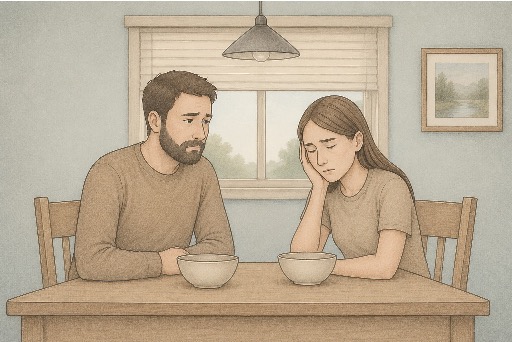
A couple sitting silently at a dining table, reflecting the emotional distance caused by unhealed childhood trauma.

Key Takeaways

  • Unhealed childhood trauma often appears in adulthood through people-pleasing, relationship difficulties, anxiety, unhealthy coping behaviors, shame, hypervigilance, physical health issues, and emotional regulation challenges.
  • These trauma responses develop because early adverse experiences shape the brain, nervous system, and beliefs about safety, trust, and self-worth.
  • The effects of childhood trauma can impact emotional well-being, relationships, physical health, and daily functioning long after the original experiences have ended.
  • Healing is possible through trauma-informed approaches that help individuals process past experiences, build healthier coping skills, and restore a sense of safety and connection.
  • Adults can rely on Mission Connection Healthcare’s licensed therapists, group programs, and online support to process trauma and foster lasting emotional growth.

How Does Childhood Trauma Follow Us Into Adulthood?

Unhealed childhood trauma can follow people into adulthood in ways that are not always obvious. It often shows up through relationship struggles, chronic anxiety, emotional numbness, shame, people-pleasing behaviors, physical symptoms, and other patterns that originally developed as survival responses to difficult early experiences.

These patterns develop because the brain wires itself around early experiences, locking in survival responses long after the danger ends. Fortunately, the patterns can shift with the right support, which is where trauma-informed care matters most. 

Mission Connection Healthcare helps adults work through these lasting effects with outpatient or virtual therapy that fits real schedules, blending evidence-based methods with steady, compassionate guidance toward lasting recovery.

Mission Connection: Outpatient Mental Health Support Care

Mission Connection offers flexible outpatient care for adults needing more than weekly therapy. Our in-person and telehealth programs include individual, group, and experiential therapy, along with psychiatric care and medication management.

We treat anxiety, depression, trauma, and bipolar disorder using evidence-based approaches like CBT, DBT, mindfulness, and trauma-focused therapies. Designed to fit into daily life, our services provide consistent support without requiring residential care.

Start your recovery journey with Mission Connection today!

What Are the Signs of Unhealed Childhood Trauma?

1. Chronic People-Pleasing Behavior

Adults who habitually prioritize others’ needs often developed this pattern in childhood to survive unpredictable or neglectful environments. Difficulty setting boundaries or saying “no” leads to guilt, anxiety, and emotional burnout. Over time, self-neglect becomes a persistent pattern, leaving little energy for personal growth. 

People-pleasers often anticipate the moods of others before noticing their own, apologize reflexively, and feel responsible for problems that aren’t theirs. Many describe a quiet resentment that builds underneath, since their own needs rarely get met in the rush to keep everyone else comfortable.

2. Difficulty Forming Healthy Relationships

Early trauma shapes expectations about trust, intimacy, and communication. Adults may gravitate toward emotionally unavailable partners, fear abandonment, or withdraw to protect themselves. These push-pull patterns create repeated cycles of conflict and disappointment, reinforcing beliefs that relationships are unsafe or unreliable. 

Some survivors find themselves drawn to chaotic dynamics that feel familiar, while others avoid closeness altogether to sidestep the risk of being hurt. Healing often requires consciously unlearning these patterns and slowly building tolerance for safe, steady connection.

3. Unexplained Anxiety & Fear Responses

Childhood trauma leaves the nervous system hypervigilant, making safe situations feel threatening. Subtle cues, tone of voice, smells, or physical sensations can trigger intense fear, anxiety, or panic. These responses are physiological adaptations rather than personal weakness, reflecting an overactive amygdala and underdeveloped regulatory pathways.

Survivors often describe a constant low hum of dread, racing thoughts at bedtime, or sudden waves of fear that arrive without clear cause. The body remembers what the mind has worked hard to forget.

4. Self-Destructive Coping Mechanisms

Many survivors use temporary coping strategies such as disordered eating, risky sexual behavior, or self-harm to manage overwhelming emotions. While initially protective, these behaviors often worsen long-term difficulties. 

They can also include subtler patterns like overworking, doomscrolling, or staying in draining situations long past the point of usefulness. Awareness and adoption of healthier coping tools are essential for sustainable healing and emotional regulation.

5. Persistent Feelings of Emptiness or Shame

Internalized shame and a sense of unworthiness are common. Survivors may feel disconnected from themselves and others, struggle with intimacy, and experience emotional numbing. These protective adaptations once helped survival, but now interfere with meaningful connections, self-expression, and overall fulfillment.

Many describe a hollow feeling that no achievement seems to fill, or a quiet inner voice insisting they are somehow defective. Shame thrives in silence, and naming it is often the first step toward easing its grip.

Woman looking stressed while working at a computer, troubled by her childhood trauma
Unhealed childhood trauma can show up as anxiety, shame, or difficulty in relationships later in life.

6. Hypervigilance & Control Issues

Growing up in unsafe or unpredictable environments can create chronic alertness, perfectionism, and difficulty trusting others. Even minor changes trigger stress, and relaxation feels unsafe. This constant vigilance can lead to anxiety, fatigue, and strained social interactions, often making daily life exhausting. 

Survivors may overplan, overprepare, or struggle to delegate, because letting go feels like inviting danger. Rest can feel suspicious instead of restorative.

7. Recurring Physical Health Problems

Chronic stress from trauma disrupts the nervous, endocrine, and immune systems, contributing to migraines, digestive issues, chronic pain, and autoimmune disorders. 

The body stays braced for threat long after the threat has passed, and that ongoing tension shows up as tight shoulders, jaw pain, fatigue that sleep doesn’t touch, or symptoms that don’t fit a clear diagnosis. 

8. Emotional Numbness or Overwhelming Emotions

Trauma survivors may struggle with extremes in emotional regulation, either feeling numb or experiencing emotions intensely. One day brings flat detachment, the next brings tears or anger that feel disproportionate to the trigger. This isn’t instability so much as a nervous system that never learned a steady middle gear. 

Trauma-informed therapy helps process past experiences safely, reconnect with bodily and emotional cues, and develop strategies for more balanced, adaptive responses in adulthood.

Woman crying alone at bedroom desk overwhelmed with emotional distress due to childhood trauma
Adults carrying baggage from childhood trauma may experience intense emotions.

Top 8 Signs of Unhealed Childhood Trauma in Adulthood: Summary Table 

SignsWhat It Looks Like
Chronic People-Pleasing BehaviorSaying yes when you mean no, apologizing reflexively, and feeling responsible for everyone else’s comfort while your own needs go unmet
Difficulty Forming Healthy RelationshipsPush-pull patterns, fear of abandonment, attraction to chaotic dynamics, or pulling away to avoid the risk of being hurt
Unexplained Anxiety and Fear ResponsesA constant low hum of dread, racing thoughts at night, or sudden waves of fear that arrive without a clear cause
Self-Destructive Coping MechanismsNumbing through food, risk, overworking, or doomscrolling, often as a way to manage emotions that feel too big to sit with
Persistent Feelings of Emptiness or ShameA hollow feeling no achievement fills, a quiet inner voice insisting you are defective, or trouble connecting with yourself and others
Hypervigilance and Control IssuesConstant alertness, perfectionism, overplanning, struggling to delegate, and finding it hard to truly relax even in safe settings
Recurring Physical Health ProblemsTight shoulders, jaw pain, digestive issues, migraines, fatigue that sleep does not touch, or symptoms that resist clear diagnosis
Emotional Numbness or Overwhelming EmotionsSwings between flat detachment and reactions that feel too intense for the trigger, with no steady middle gear in between

Get Help Healing from Childhood Trauma at Mission Connection

Mission Connection Healthcare outpatient facility where adults receive trauma-informed therapy and mental health support. 
Mission Connection creates a safe space where survivors can rebuild trust and connection.

Unhealed childhood trauma quietly shapes how adults relate, react, and rest, but it does not have to define the rest of your life. Naming the patterns is the first step, and steady support is what turns awareness into lasting change.

At Mission Connection Healthcare, we offer flexible outpatient programs built around real-life schedules, with in-person and telehealth options. Our licensed team blends evidence-based therapies with compassionate, personalized care, so you can process the past and rebuild a steadier, more grounded daily life. Take the first step towards healing from childhood trauma with Mission Connection Healthcare.

Start your journey toward calm, confident living at Mission Connection!
Call Today 866-833-1822.

Frequently Asked Questions (FAQs)

Can childhood trauma you don’t remember still affect you?

Yes. Trauma can be stored in the body and nervous system, triggering emotional or physical reactions even without conscious memory, especially if trauma occurred early in life or involved dissociation during the events.

How do I know if my current relationship problems stem from childhood trauma?

Recurring patterns, intense reactions, trust struggles, abandonment fears, or similar conflicts across relationships may indicate trauma roots. Observing these situations with curiosity can reveal links between past experiences and present challenges, guiding healthier relationship strategies.

Can childhood trauma cause health issues later in life?

Yes. Chronic stress from trauma affects immune function, inflammation, and hormonal systems, increasing risks for chronic pain, cardiovascular issues, autoimmune disorders, and metabolic problems. Addressing trauma can relieve physical symptoms that have resisted conventional medical treatment.

What’s the difference between normal childhood stress and actual trauma?

Trauma overwhelms coping resources and occurs without adequate adult support, altering a child’s sense of safety, trust, and self-worth. Ordinary stress is manageable with supportive caregivers, whereas trauma fundamentally disrupts emotional development and perception of the world.

Can you heal from childhood trauma without therapy?

Yes. Self-education, supportive relationships, body-based practices, and creative outlets can all foster healing. Still, pairing these with professional care often brings deeper results. Mission Connection Healthcare provides flexible therapy options that can complement personal healing strategies, helping recovery feel more supported and sustainable.

Related Articles

Woman reflecting on signs of emotional abuse she experienced from her parents during childhood

How to Recognize Emotional Abuse from Parents: 5 Signs You Should Know

Man sitting on couch with hand over mouth wondering how does trauma affect the nervous system

Trauma Blocking Recovery

Adult sitting alone on a couch, arms wrapped around their knees showing signs of repressed sexual abuse

5 Signs of Repressed Sexual Trauma in Adults

Man sitting on couch with hand over mouth wondering how does trauma affect the nervous system

How Trauma Affects the Nervous System

Woman sitting outside on low wall with head resting on hand needing support with epigenetics and trauma

Epigenetics and Trauma

Adult sitting on a couch with eyes closed, hands resting on knees, practicing a calming grounding exercise in a quiet living room using the 5 grounding techniques for trauma

5 Grounding Techniques for Trauma Triggers

Making your mental health a priority has never been so easy. We offer flexible schedules during the day, in the evening, and on weekends, so you can find the perfect time for you.

866-833-1822

Corporate Office:
30300 Rancho Viejo Rd.
San Juan Capistrano CA 92675

Phone: 866-833-1822
Fax: 714-849-7569

Resources
Approach to Care
Our Facilities
Telehealth Mental Healthcare
Admissions
About Us
Joint Commission Accredited
Certified By CA Department of Healthcare Services
Certified by NAATP Logo
Certified by the National Association for Healthcare Quality
HIPPA Compliant Mental Health Services
Privacy Policy | Terms of Service | Sitemap
Copyright 2026 © Mission Connection. All rights Reserved.