

Key Takeaways
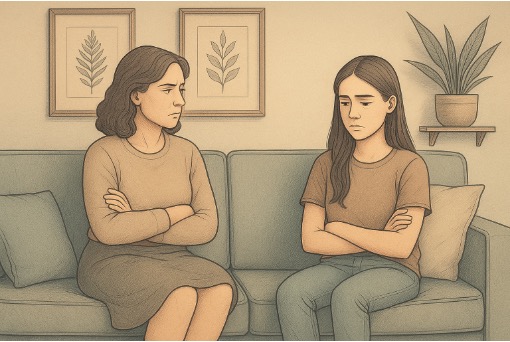
- Passive-aggressive parents often express anger indirectly through guilt trips, silent treatment, backhanded compliments, and subtle criticism, which can leave adult children feeling confused, anxious, or emotionally drained.
- The most effective way to deal with a passive-aggressive parent is to change your response by setting firm boundaries, communicating directly, and refusing to engage in emotional games.
- Strategies such as using “I feel” statements, staying calm, limiting personal disclosures, building outside support, and prioritizing self-care can reduce the impact of passive-aggressive behavior over time.
- In more severe situations, reducing contact or creating a structured low-contact relationship may be necessary to protect your emotional well-being and maintain healthy boundaries.
- Mission Connection Healthcare helps adults navigate difficult family relationships through evidence-based therapies that strengthen communication skills, emotional resilience, and boundary-setting abilities.
How Can You Handle a Parent’s Passive-Aggressive Behavior?
You can handle a passive-aggressive parent by setting clear boundaries, using “I feel” statements, staying calm instead of taking the bait, calling out the behavior when it’s safe, limiting what personal information you share, building support outside the family, practicing self-care after hard interactions, and considering family therapy.
The most effective first step is pairing one clear boundary with one consequence, then stating it in a single calm sentence that leaves nothing to argue against. Each of these eight strategies works on its own, but they’re strongest when used together over time rather than as one-off reactions.
For adults struggling with difficult family dynamics, Mission Connection Healthcare offers professional support through therapies that help identify unhealthy communication patterns, improve coping skills, and build healthier relationships. Whether you’re facing ongoing guilt trips, indirect criticism, or silent treatment, the right guidance can make these challenges easier to manage.
8 Effective Strategies to Handle Passive-Aggressive Parents
1. Set Clear Boundaries Without Apology
Clear boundaries are your first line of defense against passive-aggressive manipulation. Start by identifying what behaviors you will no longer tolerate and what consequences will follow when those lines are crossed. For example, “If you make comments about my weight, I’ll calmly let you know that’s not acceptable, and if it continues, I’ll end our conversation for the day.”
When communicating boundaries, use simple, direct language without lengthy justifications. Passive-aggressive parents often view explanations as negotiation opportunities. A straightforward “That doesn’t work for me” carries more weight than a detailed defense of your position.
2. Use “I Feel” Statements to Address Issues
When addressing problematic behavior, frame your concerns using “I feel” statements rather than accusations. For instance, instead of “You always try to make me feel guilty,” try “I feel manipulated when my decisions are met with comments about how disappointed you are.”
This approach reduces defensiveness while clearly communicating the impact of their behavior.
3. Stay Calm & Don’t Take the Bait
Passive-aggressive behavior often aims to provoke an emotional reaction that will justify further criticism or victim-playing. When you remain calm in the face of provocations, you disrupt this pattern.
Responding emotionally usually gives a passive-aggressive parent exactly what they’re seeking: confirmation that they’ve gotten under your skin.
4. Call Out Behavior Directly (When Safe)
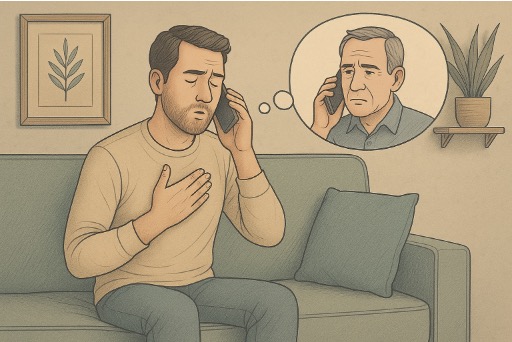
There’s power in naming passive-aggressive behavior when you see it. A simple “That sounded like a criticism wrapped in a compliment” can shine light on tactics that thrive in ambiguity.
Be specific about the behavior rather than making character judgments. “That comment felt dismissive” works better than “You’re being passive-aggressive again.”
5. Limit Information Sharing That Can Be Used Against You
Passive-aggressive parents often store away personal information to use as ammunition later. This might include your insecurities, fears, or past mistakes that can be brought up during disagreements.
Practice thoughtful discretion about what you share, especially regarding areas where you feel vulnerable or uncertain. This means being strategic about the depth and timing of your disclosures.
6. Develop Support Systems Outside Your Family
Building strong relationships outside your family provides emotional ballast when dealing with a passive-aggressive parent. Friends who understand your situation, support groups for adult children of difficult parents, or a therapist familiar with family issues can offer perspective and validation when you question your reality.
These connections also reduce your emotional dependence on your parents’ approval, making their passive-aggressive tactics less effective.
7. Practice Self-Care After Difficult Interactions
Interactions with passive-aggressive parents can be emotionally draining, even when you’ve handled them well. Develop a post-interaction self-care routine that helps you process feelings and restore your emotional equilibrium.
This might include physical activity to release tension, journaling to externalize thoughts, or mindfulness practices to center yourself.
8. Consider Family Therapy as an Option
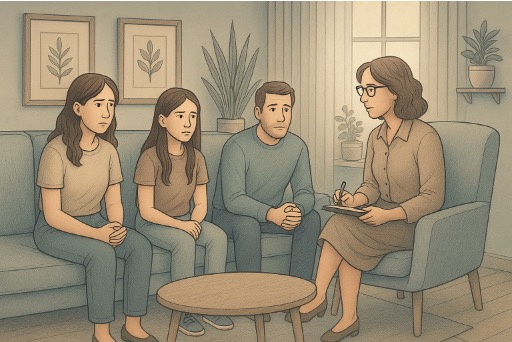
A skilled therapist can identify passive-aggressive patterns, facilitate healthier communication, and help all family members understand their roles in maintaining problematic patterns.
This option works best when your parent shows some willingness to examine their behavior, though even resistant parents sometimes benefit from the neutral perspective a therapist provides.
8 Ways to Handle Passive-Aggressive Behavior in Parents: Summary Table
| Strategy | How to Apply It |
| Set clear boundaries | Name the behavior you won’t accept and the consequence, then state it in one short line |
| Use “I feel” statements | Say “I feel manipulated when…” instead of “You always…” |
| Stay calm and don’t take the bait | Pause, breathe, or step back before responding when you feel yourself getting reactive |
| Call out the behavior when safe | Describe the specific act, like “That felt dismissive,” not the person |
| Limit information sharing | Be selective about what you reveal and when, especially in sensitive areas |
| Build outside support | Lean on friends, support groups, or a therapist who understands the dynamic |
| Practice self-care afterward | Move your body, journal, or use mindfulness to process the encounter |
| Consider family therapy | Bring in a skilled therapist, especially if your parent is open to it |
When Should You Consider Reducing or Cutting Contact?
Warning Signs of a Mentally Harmful Relationship
Certain patterns indicate that a relationship has moved beyond merely difficult into potentially harmful territory. These include persistent feelings of anxiety before interactions, depression or emotional exhaustion afterward, decreased self-esteem, and physical symptoms like insomnia or appetite changes related to family stress.
If you notice these warning signs increasing despite implementing the strategies we’ve discussed, it may be time to consider whether the relationship in its current form is sustainable for your well-being.
Planning a Low-Contact Approach
Reducing contact doesn’t necessarily mean cutting ties completely. Many find that a structured, limited relationship works better than complete estrangement.
This might involve scheduling brief, regular check-ins rather than responding to every contact attempt, meeting in public places where behavior tends to be more controlled, or having certain topics declared off-limits for discussion.
When implementing a low-contact approach, clarity and consistency matter most. Changing the rules repeatedly or making exceptions during moments of guilt only confuses the situation and undermines your boundaries.
If you decide that minimal or no contact is necessary for your well-being, be compassionate with yourself about this choice. Protecting yourself from chronic emotional harm is an act of self-preservation that may eventually create space for a healthier relationship in the future, should circumstances change.
Finding Healing with Mission Connection’s Family Therapy Support

Dealing with a passive-aggressive parent is less about changing them and more about changing how you respond. When you set clear boundaries, stay calm, and protect your own mental health, their indirect tactics lose their grip. Progress comes from consistency over time, not from one perfect conversation or confrontation.
At Mission Connection Healthcare, we help adults untangle these patterns and rebuild healthier communication with difficult parents. Our therapists use proven approaches like Cognitive Behavioral Therapy (CBT), Dialectical Behavior Therapy (DBT), and Emotion-Focused Therapy to strengthen your boundaries and ease the emotional toll. Reach out to us today to start building steadier, healthier family relationships.
Frequently Asked Questions (FAQs)
How do I know if my parents’ behavior is truly passive-aggressive or just occasional moodiness?
The key distinction lies in patterns versus isolated incidents. Passive-aggressive behavior is a consistent pattern where negative feelings are expressed indirectly, accompanied by denial when confronted.
If you frequently leave interactions feeling confused, guilty, or questioning your reality, and if behaviors like silent treatment, backhanded compliments, or guilt trips occur regularly rather than occasionally, you’re likely dealing with passive-aggressive patterns rather than normal mood fluctuations.
Is it possible to have a healthy relationship with a passive-aggressive parent?
While you cannot change your parents’ behavior, you can transform the pattern by consistently setting boundaries, refusing to engage with manipulative tactics, and maintaining emotional clarity about what’s happening.
Some relationships improve when adult children implement healthier responses, while others may require reduced contact for your well-being. The goal is to protect your mental health while determining what level of relationship feels sustainable and healthy for you.
Will confronting my passive-aggressive parent about their behavior help?
Direct confrontation using labels like “passive-aggressive” rarely produces positive outcomes and often triggers denial or defensiveness. More effective approaches involve addressing specific behaviors in the moment (“When you give one-word answers after saying nothing’s wrong, I feel confused”) rather than making global character assessments.
Focus on recent, concrete examples and express how specific behaviors affect you personally rather than criticizing their overall communication style.
Can Mission Connection help me deal with a passive-aggressive parent?
Yes, Mission Connection Healthcare specializes in helping adults manage challenging family issues, including relationships with passive-aggressive parents. Our therapists use evidence-based approaches like CBT, DBT, and Emotion-Focused Therapy to help you recognize harmful patterns, develop effective communication strategies, and establish healthy boundaries.
We offer both individual therapy and family therapy options depending on your needs and circumstances.